Israel Unleashes New Gaza Strikes Soon After Trump Says Iran Peace Deal 'Largely Negotiated,' Hormuz To Reopen As Final Terms Discussed

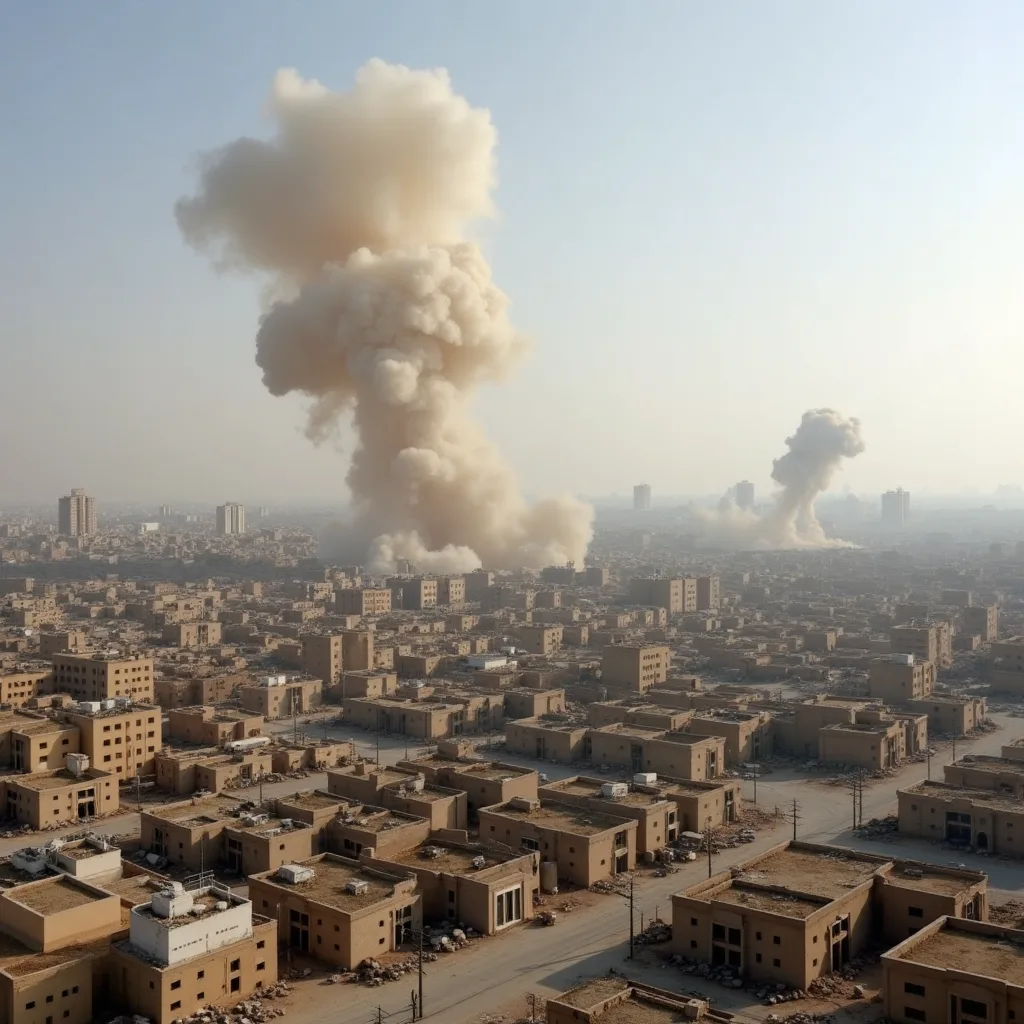
Israel Unleashes New Gaza Strikes Soon After Trump Says Iran Peace Deal 'Largely Negotiated,' Hormuz To Reopen As Final Terms Discussed
Summary
-
Israel launches significant new attacks on the Gaza Strip just as
What the Documents Show
This was not an isolated incident but part of what multiple sources describe as "significant new strikes" launched while Washington was simultaneously unveiling that mediators "believe they are edging closer to a deal to extend the US ceasefire with Iran by 60 days." The Trump administration's public positioning comes via Trump's own statements that an Iran agreement has been "largely negotiated" and will be revealed imminently. Administration officials, according to the source material, have even cancelled prior travel commitments—Trump himself citing "Circumstances pertaining to Government" as justification for missing his son Donald Trump Jr.'s wedding this weekend. This level of administrative mobilization signals serious diplomatic momentum on the Iran front. Yet the Gaza strikes underscore what observers are now openly articulating: that Israel may be attempting to sabotage what it perceives as unfavorable terms in any US-Iran agreement. The source material documents polarized reaction across the political spectrum, with some voices—identifying themselves as concerned about the "Wendy Sherman-Robert Malley-Ben Rhodes playbook"—warning that the deal being "floated" amounts to paying "the IRGC to build a WMD program and terrorize the world." What the mainstream framing obscures is the structural contradiction at play.
🔎 Mainstream angleThe corporate press either ignored this story entirely or buried it in a 3-sentence brief. The framing, when it appeared at all, focused on process rather than impact.Follow the Money
A US administration simultaneously negotiating de-escalation with Iran while its closest Middle East military partner conducts fresh offensive operations against a Palestinian population creates an inherent credibility crisis. The ceasefire that these Gaza strikes are described as "undercutting" is itself US-brokered. Trump administration officials are the named architects of the Iran negotiation track. Yet the administration has made no public statement demanding Israel halt operations or align with the diplomatic timeline being announced in Washington. The health officials reporting the casualties and the medics documenting the airstrike injuries represent on-the-ground verification of operations that occur while official Washington moves toward public announcement of a major geopolitical realignment. This is not coincidence that requires inference—it is documented simultaneity that raises a core question: Who within the Trump administration, if anyone, coordinated timing and messaging between the Gaza operations and the Iran deal announcement?
What Else We Know
--- THE TAKE --- I find the pattern here is that major diplomatic announcements from Washington are frequently accompanied by military action from allied actors precisely when international media attention is most saturated—which means the military operations receive less scrutiny than they otherwise might, buried beneath headlines about peace negotiations. This is not accidental. What this reveals is that the institutions designed to provide public oversight—Congress, the State Department's Inspector General, the Department of Defense's own internal accountability mechanisms—operate on timelines that are dramatically slower than the speed of coordinated military-diplomatic strategy. By the time any committee can demand answers about which administration officials knew which operations were planned and when, the news cycle has moved forward three times over. The individuals in positions to demand real-time coordination and transparency between the Defense Department, the State Department, and Israeli military counterparts are the same people announcing the peace deals. That's not oversight.
Primary Sources
- Source: ZeroHedge
- Category: Government Secrets
- Cross-reference independently — don't take our word for it.
What are they not saying?Who benefits from this story staying buried? Follow the regulatory filings, the court dockets, and the FOIA releases. The truth is in the paperwork — it always is.Disclosure: NewsAnarchist aggregates from public records, API feeds (Federal Register, CourtListener, MuckRock, Hacker News), and independent media. AI-assisted synthesis. Always verify primary sources linked above.
This article is produced by NewsAnarchist's AI reporting system, not a human staff reporter. It's built from the primary source cited above (an official government or diplomatic statement, wire-service reporting (Reuters, AP, AFP) we cite by name, or a named think-tank/NGO report) and reports what that source states, attributed to it — it reports what that source states and does not predict how a conflict or negotiation resolves. Part of our Global Power hub. Found an error? Tell us.