Walmart to pay $100 million to settle a Spark driver lawsuit - The Arkansas Democrat-Gazette

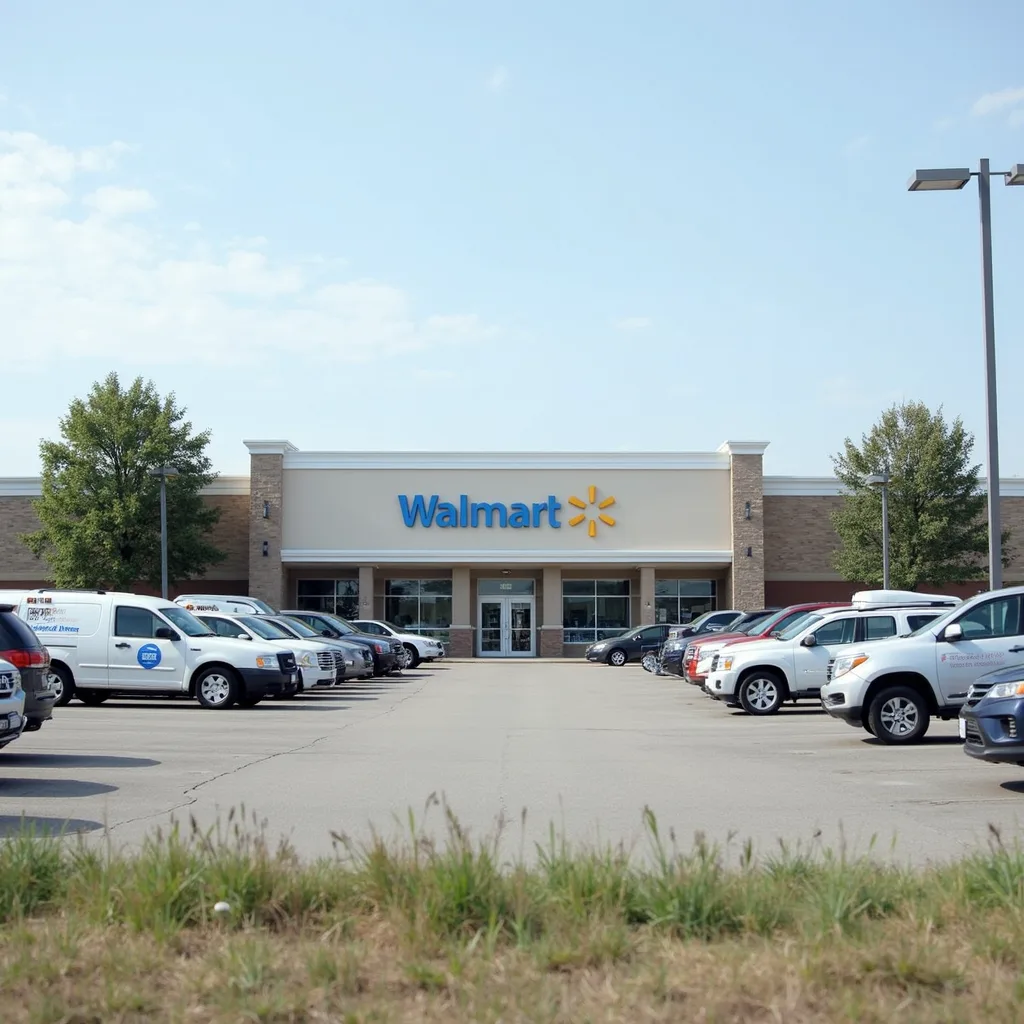
Walmart to pay $100 million to settle a Spark driver lawsuit The Arkansas Democrat-Gazette
What the Documents Show
Drivers could not negotiate rates or audit the mathematical basis for pay calculations. The company retained all location and behavioral data indefinitely. Court documents indicate the settlement addresses wage claims spanning multiple years, suggesting the algorithmic wage suppression operated across multiple software iterations. Walmart did not admit wrongdoing but agreed to the payment structure, which typically signals acknowledgment of liability risk rather than technical innocence. The settlement amount—$100 million—reflects the scale of affected drivers and duration of the wage gap, though the per-driver figure suggests average underpayment in the thousands of dollars per worker.
Follow the Money
The Spark case demonstrates a pattern largely invisible in mainstream labor reporting: gig companies do not simply pay low wages. They use surveillance infrastructure to determine what low wages look like at algorithmic scale. Every delivery route generates behavioral data. Every driver's location history becomes input for demand prediction models. Every acceptance or rejection of a delivery offer trains machine learning systems that optimize for company profit, not worker compensation. Walmart's algorithm, like similar systems deployed by Amazon Logistics, DoorDash, and Uber Freight, operates as a wage-compression tool disguised as efficiency software.
What Else We Know
The technical architecture matters. Gig platforms argue their algorithms are neutral price-discovery mechanisms responding to market demand. But neutrality does not apply when one party controls the algorithm, owns the data, sets the baseline compensation, and prevents workers from accessing the mathematical rules governing their pay. Walmart drivers had no way to know whether their $4.50 per delivery reflected actual delivery costs or algorithmic underpricing based on predictive models of driver desperation. The settlement confirms what documents in similar cases have shown: the algorithms worked as designed—to extract maximum labor value while maintaining plausible deniability through mathematical abstraction. Significantly, the settlement does not require Walmart to disclose how the Spark algorithm functioned, what data inputs determined driver compensation, or whether the company retained location and performance data after settlement.

This settlement reveals what I find striking about surveillance capitalism's labor dimension: the most effective wage theft doesn't require deception about the terms. It requires opacity about the mechanism. Workers knew Spark paid poorly. What they could not see was the mathematical architecture that made poverty inevitable and measurable. Walmart's algorithm did not break labor law accidentally—it was engineered to operate in the gap between legal compensation and algorithmic optimization.
The pattern here is that gig platforms treat worker surveillance data as a cost-reduction input. Every piece of behavioral data—your speed, your delivery pattern, when you log on, how you respond to lowball offers—becomes a variable in a model designed to pay you less while keeping you working. The settlement protects neither workers nor transparency. Walmart keeps the data, modifies the algorithm slightly, and resumes operations.
What readers should understand: demand that gig companies disclose how algorithms set wages and require that drivers access the data and rules determining their compensation in real time. Without algorithmic transparency, these settlements are just licensing fees for wage suppression.
Primary Sources
- Source: Google News (Corporate Watchdog)
- Category: Surveillance State
- Cross-reference independently — don't take our word for it.
Disclosure: NewsAnarchist aggregates from public records, API feeds (Federal Register, CourtListener, MuckRock, Hacker News), and independent media. AI-assisted synthesis. Always verify primary sources linked above.