Oklo COO Says Nuclear Waste Could Power America For 150 Years

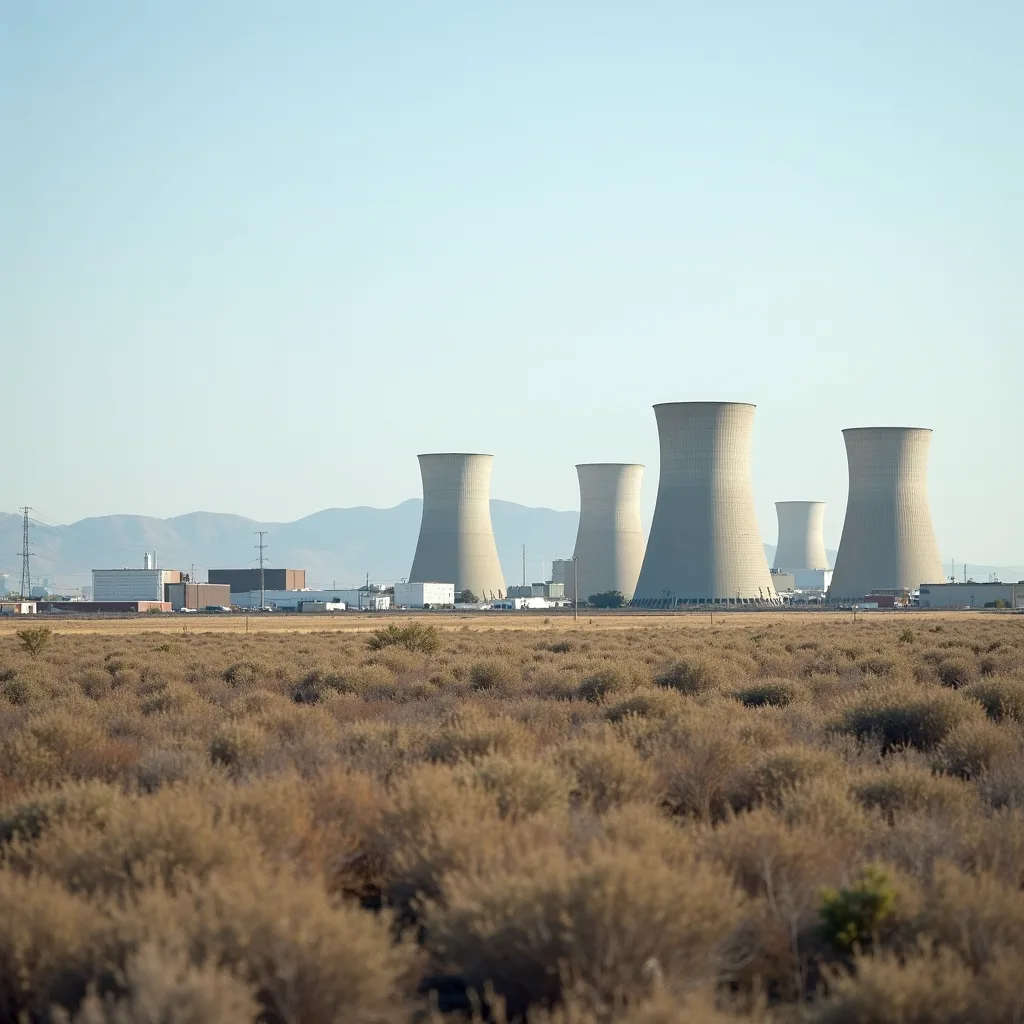
What they're not telling you: DOE Fast-Tracks Plutonium Conversion for Private Nuclear Contractor Under Trump Energy Secretary The Department of Energy, under Secretary Chris Wright, has authorized Oklo Inc. to convert weapons-grade plutonium previously designated for permanent disposal into reactor fuel for commercial power generation—a decision that bypasses conventional fuel acquisition pathways and accelerates the company's timeline by what executives describe as transformative margins. The authorization emerged through what Oklo terms a "Department of Energy partnership framework," according to statements by CEO Jacob DeWitte following the announcement.
What the Documents Show
The framework permits Oklo to utilize stockpiled spent nuclear fuel—material currently treated as nuclear waste across U.S. reactor sites—as feedstock for the company's fast-reactor design. DeWitte stated the company is "already building" rather than operating as a prototype-stage venture, distinguishing Oklo from what he characterized as "PowerPoint reactor" startups flooding the advanced nuclear sector. The timeline acceleration is explicit: DeWitte credited the policy environment under Wright with producing "a world of difference since about a year ago," and stated Oklo intends to achieve criticality on an isotope test reactor in Texas around July 4th of this year. The technical specification matters.
Follow the Money
Oklo's fast reactors are engineered to consume fuel that conventional light-water reactors cannot efficiently process. The company's publicly stated thesis holds that spent fuel currently warehoused at decommissioned and operational reactor sites contains sufficient energy content to supply U.S. electrical demand for approximately 150 years. By converting this material into usable fuel, Oklo circumvents what the company identifies as a critical constraint: uranium supply bottlenecks that could throttle advanced reactor deployment. The economics shift accordingly—long-term fuel costs decline if waste becomes feedstock. The isotope production angle carries separate strategic weight.
What Else We Know
Caroline DeWitte, Oklo's COO, stated during media remarks that certain isotopes command valuations approaching one trillion dollars per kilogram, and that Western supply chains currently depend on Russian sources following years of undersupply. The company is positioning isotope production as a secondary revenue stream, one that DoE authorization facilitates by removing conventional procurement restrictions. The policy mechanism itself deserves scrutiny. The "partnership framework" cited by DeWitte does not appear in publicly available DOE announcements or regulatory filings reviewed for this report. The authorization process—whether it proceeded through formal rulemaking, exemption petition, or administrative determination—remains opaque. Wright's office did not respond to requests for clarification on the framework's statutory basis or inter-agency coordination regarding plutonium conversion authorization.
Primary Sources
- Source: ZeroHedge
- Category: Surveillance State
- Cross-reference independently — don't take our word for it.
Disclosure: NewsAnarchist aggregates from public records, API feeds (Federal Register, CourtListener, MuckRock, Hacker News), and independent media. AI-assisted synthesis. Always verify primary sources linked above.