Moscow Signs Military Partnership With Taliban In Full Circle Since CIA's Operation Cyclone

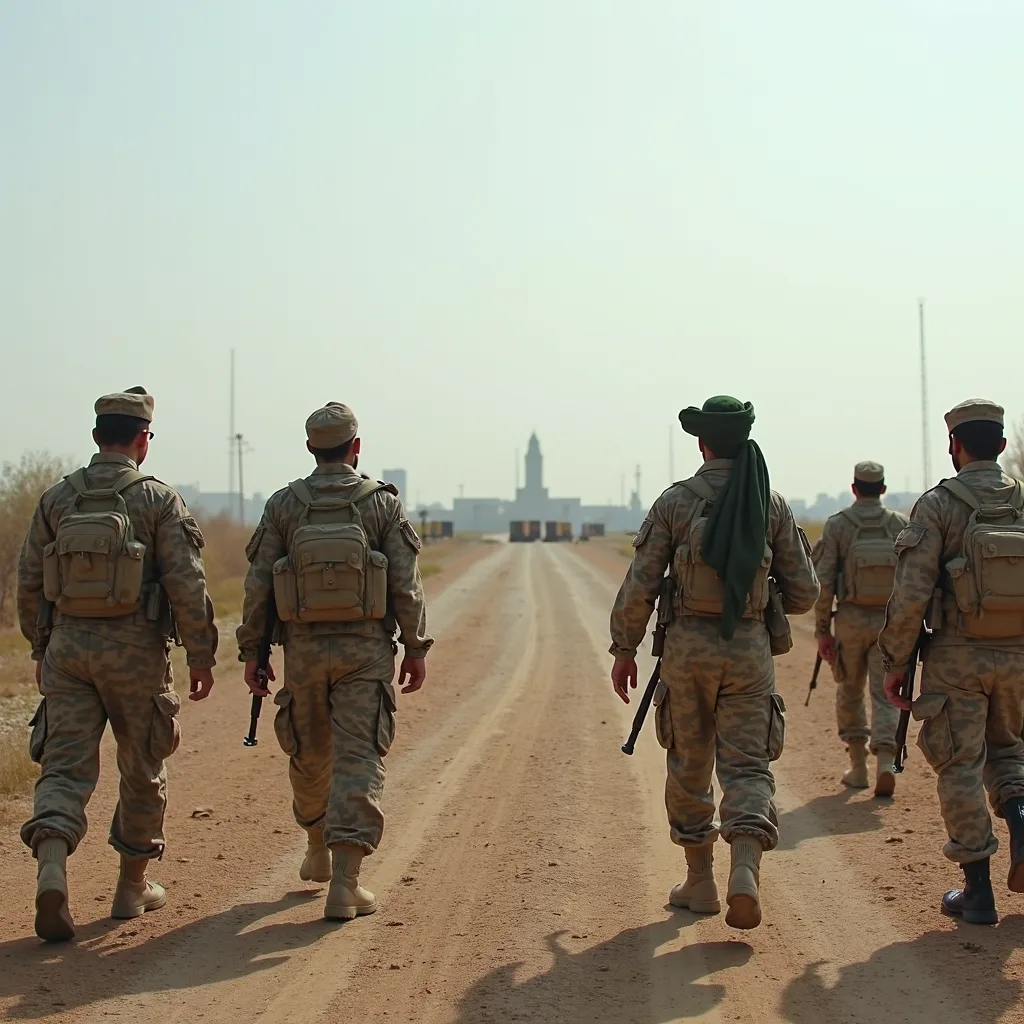
What they're not telling you: THE FULL CIRCLE: How U.S. Institutional Collapse in Afghanistan Handed Russia the Taliban Partnership We Spent 40 Years Fighting Russia's Security Council Secretary Sergei Shoigu just signed a military and technical cooperation agreement with Taliban Defense Minister Mullah Mohammad Yaqoob in Moscow—cementing an alliance that represents the complete inversion of America's four-decade Cold War strategy in Central Asia. The meeting happened during Moscow's International Security Forum this week.
What the Documents Show
According to Interfax's correspondent reporting, Yaqoob and Shoigu discussed expanding bilateral military relations, with Yaqoob explicitly stating that "engagement with Russia is important for the Taliban-led administration." The follow-up was immediate: Russian Deputy Defense Minister Vasily Osmakov met with Yaqoob the next day to finalize details on "areas of military collaboration," with both sides addressing "security issues in Central and South Asia." Russia formally recognized the Taliban-led government in July 2025—becoming the first nation to do so after the Taliban's 2021 takeover. This partnership reverses what the CIA called Operation Cyclone: a covert campaign beginning in 1979 where the agency funneled over $2 billion to anti-Soviet Afghan insurgents specifically to prevent Soviet influence in the region. The operation created the conditions for Taliban emergence and left an entire generation of Islamic militant infrastructure intact. then spent two decades fighting those same forces after 2001. Now, with American troops gone, Russia occupies the strategic position the U.S.
Follow the Money
originally fought to deny them. The mechanism enabling this reversal is institutional failure at the State Department level. An internal State Department review from 2023 identified the catastrophic 2021 Afghanistan withdrawal—which left behind vast quantities of military equipment and created a 20-year humanitarian vacuum—as attributable to "poor planning." That's the official language. What it meant in practice: the State Department under Secretary of State Antony Blinken and the Defense Department under Secretary Lloyd Austin orchestrated a withdrawal so hasty and chaotic that it handed the Taliban immediate legitimacy through captured American hardware and a suddenly ungoverned nation desperate for any state sponsor willing to provide security infrastructure. When Shoigu demanded that "western countries unfreeze frozen Afghan assets and assume the entire burden of post-conflict reconstruction," he was stating a geopolitical fact America had already conceded: the U.S. had abandoned the field.
What Else We Know
The Taliban didn't need to negotiate with Washington. They needed a patron, and Russia—with established intelligence networks in Central Asia and zero domestic political cost for the Taliban partnership—moved in. The officials responsible for this outcome remain unnamed in public accountability structures. Lloyd Austin signed the withdrawal orders. Antony Blinken managed diplomatic fallout. Neither has faced institutional consequences for the strategic gift they handed Moscow.

What I find striking is that this isn't a new geopolitical failure—it's the logical conclusion of institutional abandonment. The pattern is consistent: America builds a 40-year strategic position through covert operations and military presence, then withdraws via collapsed planning rather than strategy, leaving a vacuum that rivals fill within weeks.
The officials who benefit from the current narrative are those who can claim they "ended the forever war" without answering whether they ended it wisely. Blinken, Austin, and White House officials get credit for a domestic political win while the actual consequences—Russian military partnerships, Central Asian instability, lost credibility with regional actors—become someone else's problem to manage.
What readers need to watch: whether Congress demands declassification of the full State Department review that attributed the withdrawal to "poor planning." That document contains the specific decision points, individuals responsible, and alternatives considered. Without it, accountability remains abstract. Demand the receipts.
Primary Sources
- Source: ZeroHedge
- Category: Government Secrets
- Cross-reference independently — don't take our word for it.
Disclosure: NewsAnarchist aggregates from public records, API feeds (Federal Register, CourtListener, MuckRock, Hacker News), and independent media. AI-assisted synthesis. Always verify primary sources linked above.