SK Hynix Evacuates Thousands Of Workers At Chip Plant After Fire, Toxic Gas Leak

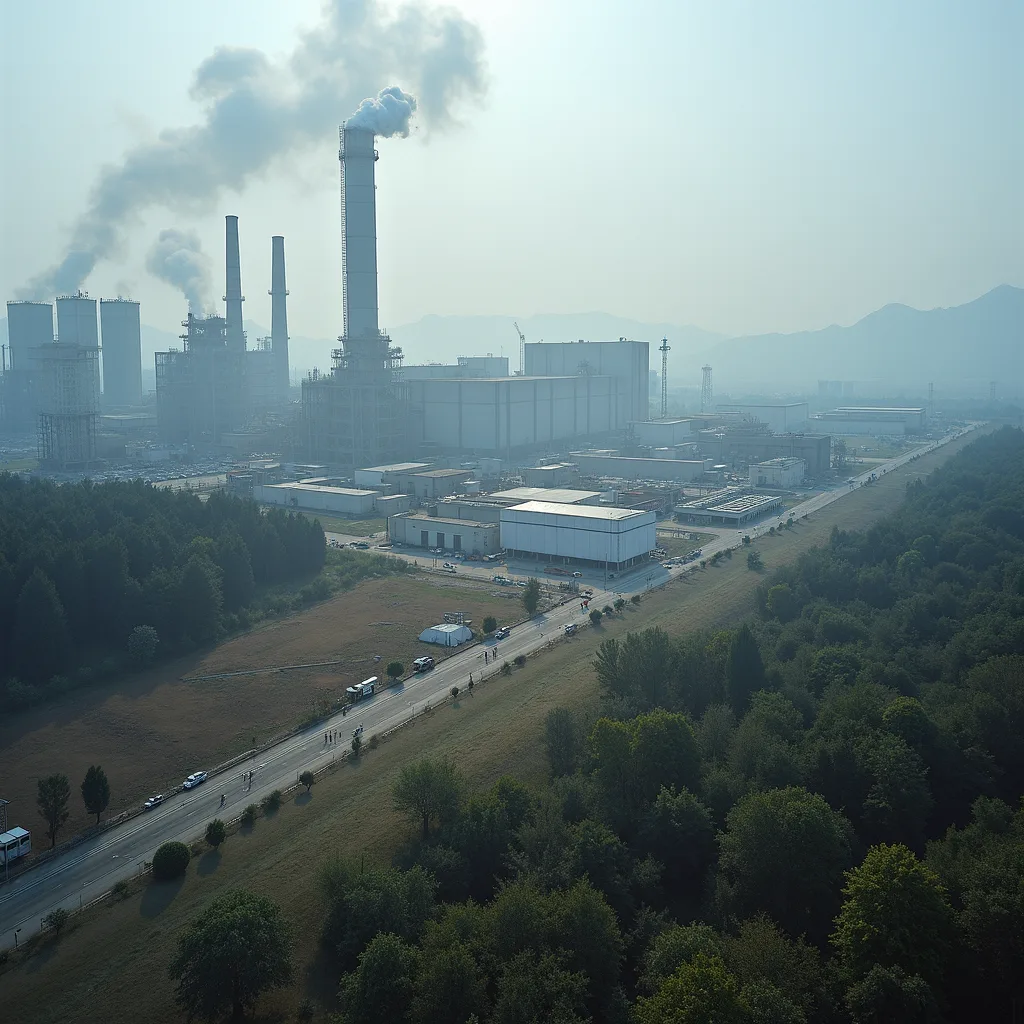
What they're not telling you: The Fragility Nobody's Talking About: SK Hynix Fire Exposes the Real Bottleneck in Global AI Infrastructure SK Hynix just showed us how close we are to an AI supply chain collapse, and almost nobody noticed. On Monday morning, a fire erupted in a sixth-floor gas room at SK Hynix's Cheongju semiconductor factory in South Korea, forcing the evacuation of approximately 3,600 workers. The company's fire suppression system contained the blaze quickly.
What the Documents Show
Seven people sustained injuries. SK Hynix stated that production lines for critical memory chips were not impacted. On the surface, this reads as a contained industrial incident with minimal fallout. That framing misses everything that matters. SK Hynix controls 32 percent of the global DRAM market, according to TrendForce data from the fourth quarter of 2025.
Follow the Money
Samsung holds 36 percent. Micron controls 22.4 percent. This is not a diversified supply chain—this is three companies acting as chokepoints for the entire artificial intelligence infrastructure buildout occurring across the planet. When one of these three experiences even a minor disruption, global memory chip prices move. When one of these three experiences a genuine catastrophe, data centers grind to a halt. What the mainstream coverage buried is the timing.
What Else We Know
One week before the SK Hynix fire, unions at Samsung—which controls more DRAM market share than SK Hynix—were threatening labor actions at memory chip manufacturing centers. Samsung and SK Hynix already operate at extraordinarily tight capacity. AI data center buildouts have consumed memory supply at rates that surprise even industry analysts. These are not abstract market forces. These are specific corporations operating specific factories with specific vulnerability windows. The accident itself originated from a gas pipeline, SK Hynix disclosed, though the company has not identified which pipeline component failed or why.
Primary Sources
- Source: ZeroHedge
- Category: Conflict & Wars
- Cross-reference independently — don't take our word for it.
Disclosure: NewsAnarchist aggregates from public records, API feeds (Federal Register, CourtListener, MuckRock, Hacker News), and independent media. AI-assisted synthesis. Always verify primary sources linked above.