A walking tour of surveillance infrastructure in Seattle

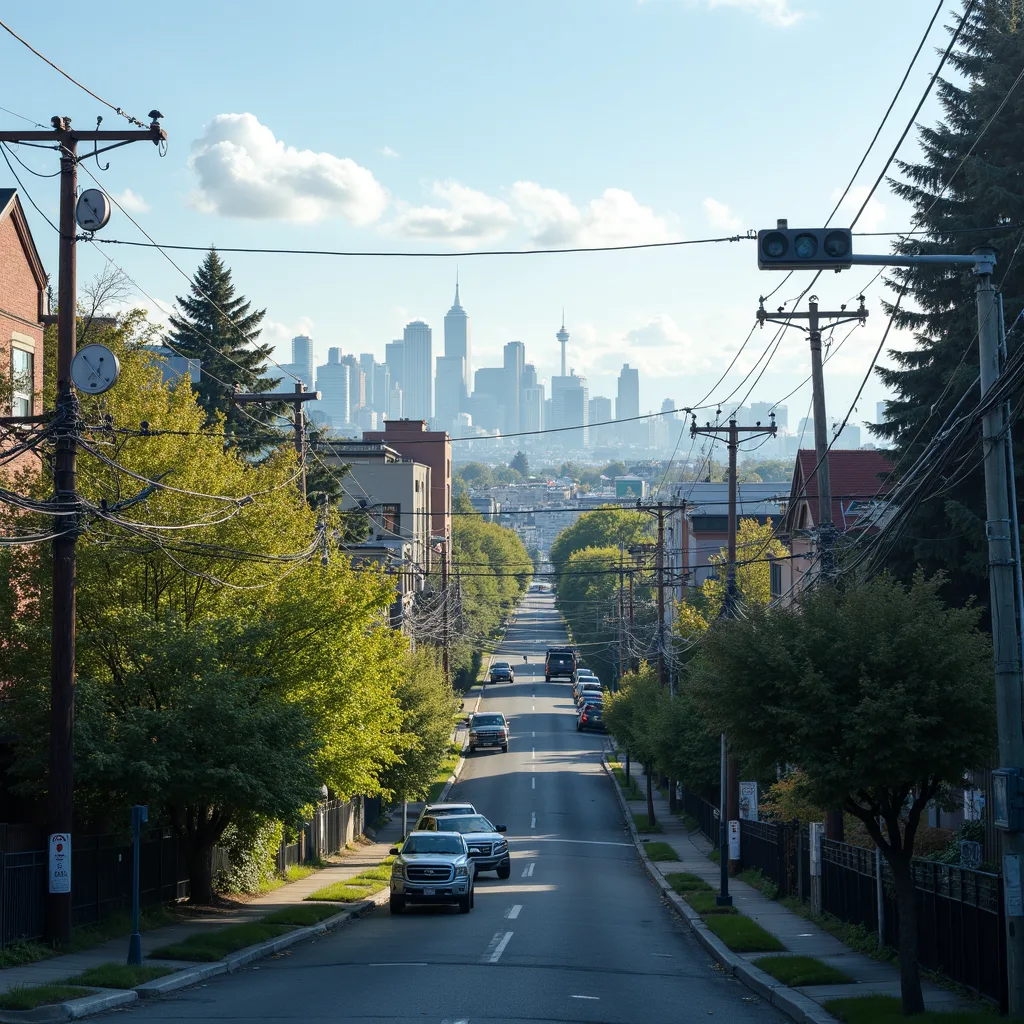
What they're not telling you: Seattle's Surveillance Infrastructure Remains Unmapped and Unregulated by Municipal Authority Seattle's downtown core operates under a layered collection system of video recording and data transmission infrastructure for which no comprehensive municipal inventory exists, according to documentation compiled by the Tech Equity Coalition and ACLU of Washington in partnership workshops conducted in October 2019. The surveillance apparatus spans 1.3 miles of downtown Seattle and includes fixed and pan-tilt-zoom capable cameras positioned at practical intervals across Union Street, parking infrastructure, building ledges, rooftops, and interior commercial spaces near transaction points. What distinguishes this infrastructure from earlier generations of security systems is the networked component: these cameras transmit recorded video via Internet or radio frequency protocols to storage repositories and control centers operated by private security firms, property management entities, and law enforcement agencies—creating a permanent archive of movement patterns and transaction behavior across the commercial district.
What the Documents Show
The documented camera network does not operate under a single authority or unified data governance framework. The Tech Equity Coalition's walking tour materials indicate cameras are deployed and maintained by discrete property owners, financial institutions, retail operators, and municipal traffic management systems without standardized retention policies, access logs, or audit trails. A camera installed at 523 Union Street exists within this fragmented ecosystem, with footage potentially accessible to neighbors via private security feeds, local police departments via informal data-sharing arrangements, and corporate entities operating adjacent infrastructure. The technical architecture enables pattern analysis at scale. Camera recordings feed into systems capable of identifying repeated movement patterns, associating individuals with specific locations across time, and cross-referencing this data with other entities controlling networked infrastructure.
Follow the Money
The ACLU of Washington's documentation notes that this architecture operates without explicit consent mechanisms or municipal ordinance limiting data retention, secondary use, or algorithmic analysis of recorded movement. What remains absent from municipal records is a comprehensive audit of where these systems terminate—which law enforcement agencies receive feeds, under what legal authorities, and according to which data-sharing agreements. Seattle's city government has not published the protocols governing police access to privately-held surveillance footage, nor has it established mandatory disclosure requirements for camera locations or data retention schedules. The fragmentation of responsibility across private and public actors creates a regulatory vacuum in which the infrastructure expands without corresponding transparency mechanisms. The 2019 workshops conducted by Tech Equity Coalition and ACLU of Washington represent one of the few documented attempts to catalog this infrastructure in technical detail. The resulting materials—including detailed location mapping, apparatus specifications, and functional descriptions—constitute the most accessible public documentation of Seattle's surveillance network.
What Else We Know
The workshops' framing emphasizes "spotting" surveillance rather than regulatory intervention, positioning awareness as a substitute for institutional oversight. --- # THE TAKE The pattern here is institutional drift masquerading as normal city maintenance. What strikes me is that Seattle's surveillance infrastructure grew through incremental decisions by property managers, retailers, and police departments—none of whom faced meaningful regulatory friction—rather than through explicit public authorization. No city council ordinance mandates this system. No procurement process required justification. It simply accumulated.
Primary Sources
- Source: Hacker News
- Category: Surveillance State
- Cross-reference independently — don't take our word for it.
Disclosure: NewsAnarchist aggregates from public records, API feeds (Federal Register, CourtListener, MuckRock, Hacker News), and independent media. AI-assisted synthesis. Always verify primary sources linked above.