Opposite Of Drawdown: US Mulls Expanding Nuclear Weapons Deployments In Europe

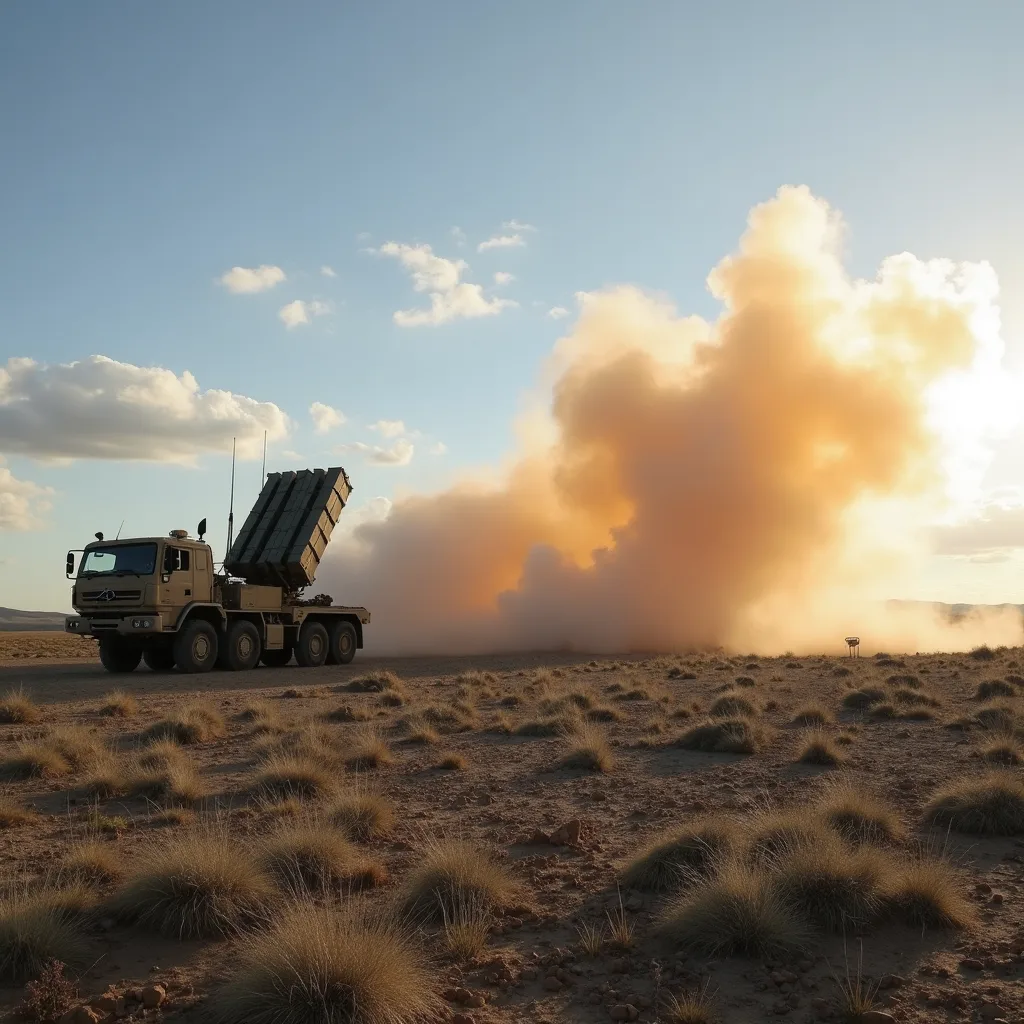
What they're not telling you: The Nuclear Expansion Washington Won't Call an Expansion The United States is preparing to deploy nuclear weapons across NATO's eastern frontier, directly violating the 1997 NATO-Russia Founding Act that explicitly prohibited such placements in former Soviet-aligned states. According to Financial Times reporting this week, the Pentagon and State Department are actively discussing nuclear deployments well beyond the six NATO countries currently authorized under NATO's nuclear sharing arrangement. Those six—Belgium, Germany, Italy, the Netherlands, Turkey, and the United Kingdom—have hosted US dual-capable aircraft and forward-deployed warheads since the Cold War.
What the Documents Show
The exclusive club was designed precisely to contain nuclear proliferation within the alliance while respecting the 1997 agreement that Moscow had negotiated as its primary assurance against NATO expansion to its borders. Three officials briefed on internal discussions told FT that the US has signaled "distinct openness" to expanding this club. The nations leading the charge are Poland, the Baltic states (Lithuania, Latvia, Estonia), and potentially others along NATO's eastern perimeter—the exact placement the 1997 agreement was structured to prevent. Poland has already "aggressively" expressed interest in hosting the bases and aircraft, according to the reporting. The Baltic states, despite being three of NATO's smallest members with limited military infrastructure, have similarly signaled receptiveness.
Follow the Money
What makes this pivot extraordinary is the rhetorical cover under which it operates. The Trump administration and Pentagon leadership have spent years publicly demanding NATO allies spend more on defense and suggesting a potential US force reduction across Europe. The announced drawdown of 5,000 troops from Germany plays directly into this narrative of restraint and burden-shifting. Yet simultaneously, the same institutional apparatus is scattering nuclear weapons closer to Moscow than at any point since the Cold War's formal end. This is not a contradiction. It is a deliberate strategy of substitution.
What Else We Know
Conventional troops require visibility, logistical footprint, and political commitment. Congress and European allies can debate troop levels. Nuclear weapons deployments operate in a different register—they are authorized through executive channels, classified in their precise locations, and effectively irreversible once embedded in alliance infrastructure. A nuclear weapons site in Poland or the Baltics creates permanent, tripwire escalation dynamics that no future administration can easily walk back without appearing weak to allies or capitulating to Moscow. The 1997 NATO-Russia Founding Act becomes, in this framing, a relic rather than a binding commitment. Both the Pentagon and State Department are proceeding on the assumption that Russian objections to violation of that agreement matter less than the strategic imperative to lock NATO's eastern members into permanent nuclear dependency on the United States.

What I find striking is how thoroughly the institutional US foreign policy apparatus has abandoned even the pretense of arms control as a stabilizing mechanism. The 1997 agreement wasn't some Russian victory imposed on a reluctant West—it was a mutual recognition that certain escalation pathways had to remain foreclosed if the post-Cold War order was to avoid recreating the exact conditions that nearly destroyed Europe twice.
The pattern here is familiar: institutional actors—the Pentagon, NATO command structures, defense contractors with stake in permanent European militarization—benefit from perpetual confrontation. It justifies budgets, basing agreements, and the expansion of alliance infrastructure. The official narrative of "burden-sharing" and "force reductions" obscures what's actually happening: the substitution of potentially negotiable conventional deployments with non-negotiable nuclear ones.
Russia, China, and every rising power watching this move have now received definitive confirmation that signed agreements with the United States have no binding force when institutional interests shift. Watch what happens to arms control verification and non-proliferation regimes globally in the next five years. The collapse of the 1997 agreement's credibility will ripple far beyond Europe.
Primary Sources
- Source: ZeroHedge
- Category: Global Power
- Cross-reference independently — don't take our word for it.
Disclosure: NewsAnarchist aggregates from public records, API feeds (Federal Register, CourtListener, MuckRock, Hacker News), and independent media. AI-assisted synthesis. Always verify primary sources linked above.