Walmart to pay $10 million to settle US FTC lawsuit over money transfer fraud

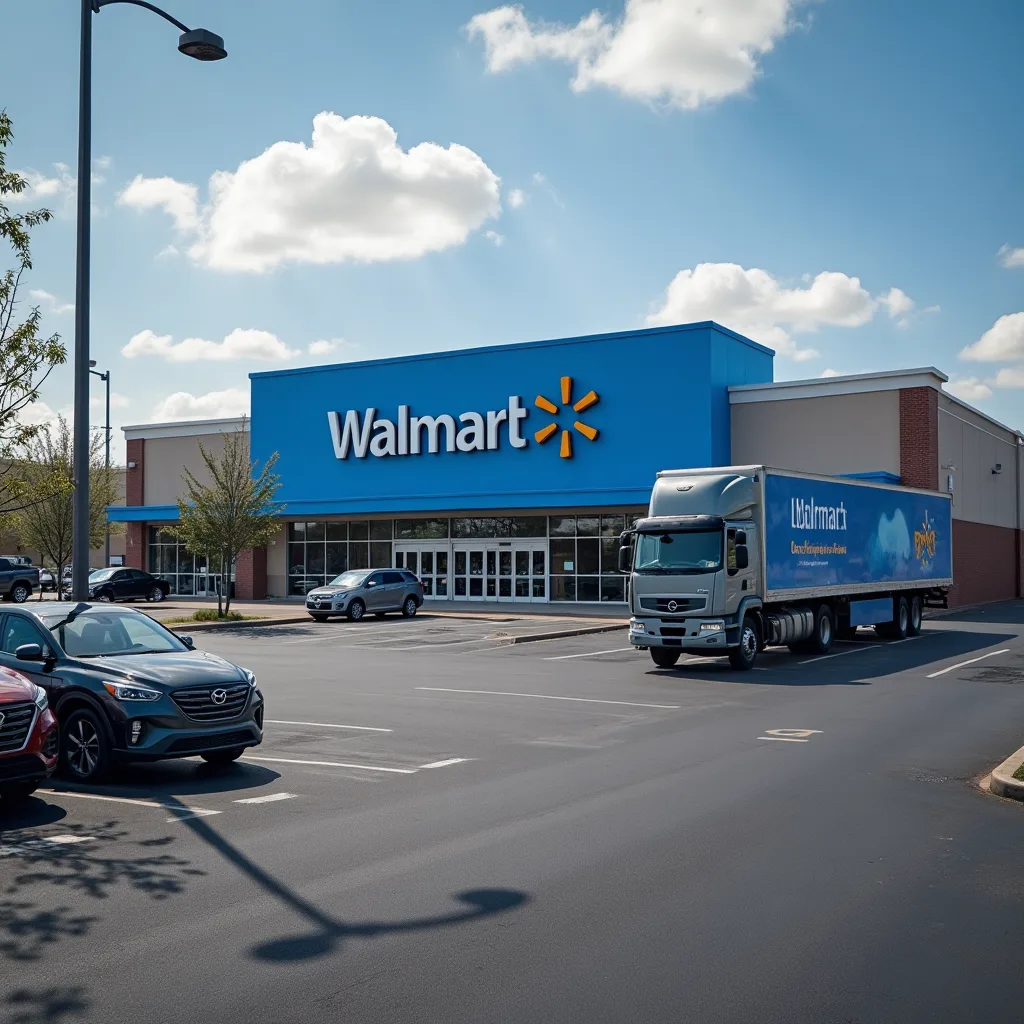
What they're not telling you: Walmart's $10 Million Settlement Is What Regulatory Surrender Looks Like Walmart will pay $10 million to settle Federal Trade Commission allegations that the company knowingly allowed criminals to use its money transfer services to defraud customers—a penalty so small relative to the scale of the breach that it functions less as punishment and more as a licensing fee for institutional negligence. The FTC's complaint, filed in federal court, alleges that Walmart operated Western Union and MoneyGram money transfer services in its stores without implementing adequate fraud detection systems, despite documented evidence that criminals were using these services to execute wire fraud schemes targeting vulnerable consumers. The settlement requires Walmart to establish new monitoring protocols and pay $10 million in consumer redress.
What the Documents Show
What the FTC left unsaid is more important than what it stated: Walmart's annual revenue exceeds $600 billion. The $10 million penalty represents 0.0017 percent of that figure. This matters because the money transfer business—which generated roughly $150 billion in transaction volume globally last year—sits at the intersection of retail, banking, and criminal activity. Walmart's position as the largest retailer in the United States gave it enormous leverage to shape how its payment infrastructure operated. According to the FTC complaint, Walmart knew that money transfer fraud was occurring through its systems.
Follow the Money
The company received complaints. It received reports from law enforcement. And yet the compliance infrastructure remained insufficient to stop the bleeding. The specific mechanism of the fraud reveals how regulatory gaps get exploited. Scammers would impersonate government agencies, financial institutions, or tech support services, then direct victims to send wire transfers through Walmart's money transfer desks. Once the money left the system, recovery became nearly impossible.
What Else We Know
Walmart's employees—paid to process transactions, not to interrogate customers about fraud risk—would execute transfers without the kind of enhanced scrutiny that federal banking regulations require of actual banks. Here is what remains unexamined in the mainstream reporting: Who specifically within Walmart's compliance and executive structure made decisions about the adequacy of fraud detection systems? The FTC settlement names Walmart Inc. as a corporate entity, not individual decision-makers. Was there a Chief Compliance Officer who signed off on insufficient monitoring? Was there a board-level discussion about the risk-benefit calculation of running loose money transfer operations?

What strikes me most about this settlement is that it measures institutional failure in units so small they become invisible. The FTC prosecuted a case, won, and extracted a penalty that any competent CFO would classify as rounding error—then called this enforcement victory.
The pattern here is worth understanding: regulatory agencies that lack statutory power to impose criminal charges or suspend licenses end up negotiating penalties that function as negotiated prices for breaking rules. Walmart didn't close its money transfer desks. It didn't face operational restrictions. It paid a fine that cost less than one week of its earnings and moved on.
What this really reveals is that the consumer protection architecture depends on agencies with real power—the ability to revoke licenses, to bar executives from industry leadership, to impose penalties that exceed the profit generated by the misconduct. The FTC has none of these tools in this context. So it negotiates theater.
Watch whether Walmart's money transfer fraud actually decreases post-settlement. If it doesn't, you'll have your answer about what this agreement was really worth.
Primary Sources
- Source: Google News (Corporate Watchdog)
- Category: Corporate Watchdog
- Cross-reference independently — don't take our word for it.
Disclosure: NewsAnarchist aggregates from public records, API feeds (Federal Register, CourtListener, MuckRock, Hacker News), and independent media. AI-assisted synthesis. Always verify primary sources linked above.