How Americans View Data Privacy: Tech Companies, AI, Regulation, Passwords and Policies

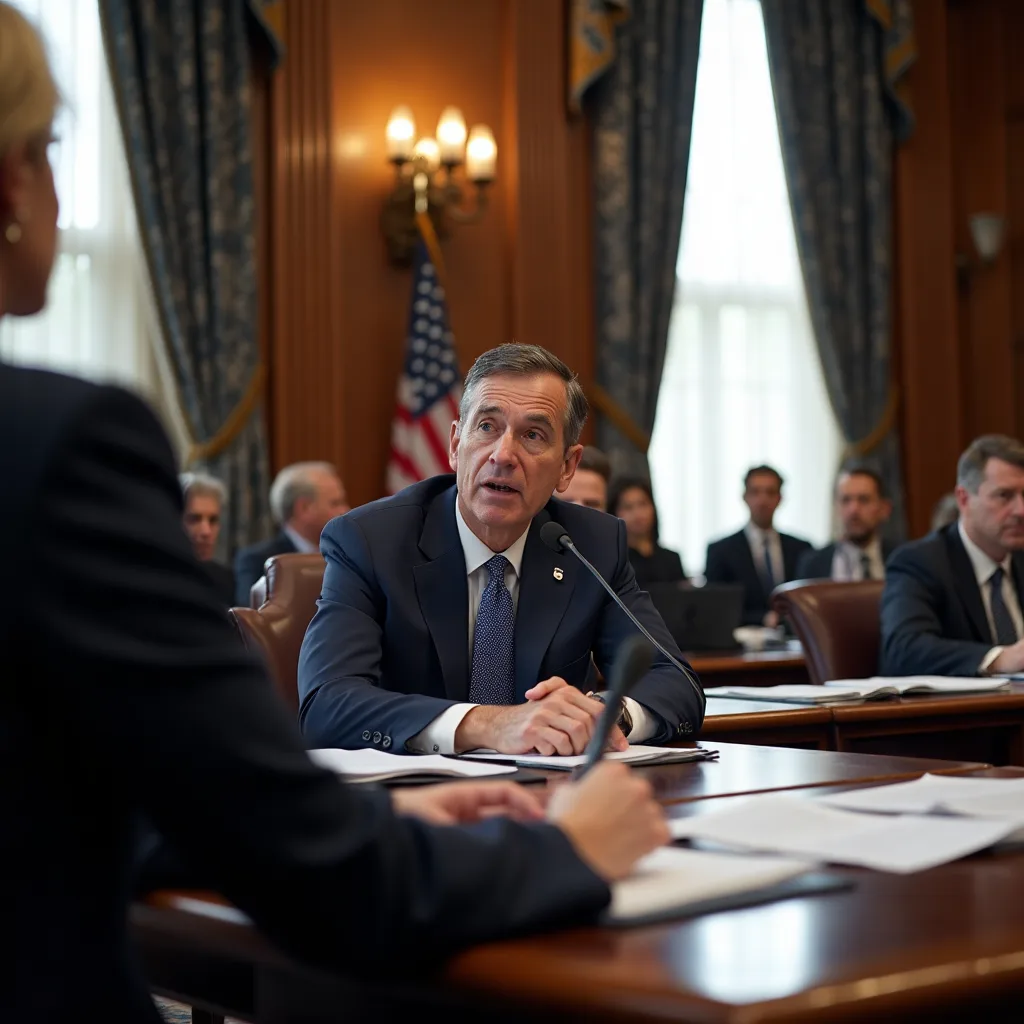
What they're not telling you: THE CONSENT TRAP: 72% OF AMERICANS DISTRUST TECH GIANTS, YET NOTHING CHANGES Americans say they care deeply about data privacy, yet the surveillance apparatus expands unchecked. That's not a contradiction—it's evidence of regulatory capture working exactly as designed. A Pew Research Center study released this week documents what citizens already know: 72 percent of Americans are "very concerned" about how tech companies handle their personal data.
What the Documents Show
Seventy-one percent worry about AI systems trained on their information without explicit consent. Eighty-one percent want stronger federal privacy regulation. The data is unambiguous. The public demand is clear. This isn't because Americans lack awareness or political will.
Follow the Money
It's because the Federal Trade Commission, which holds statutory authority over tech company data practices, operates under leadership that has systematically deprioritized enforcement. FTC Chair Lina Khan has pursued some high-profile cases—notably against Amazon and TikTok—but the agency's broader architecture for privacy enforcement remains starved of resources and legal clarity. Meanwhile, companies like Meta Platforms, Google (Alphabet Inc.), and Amazon continue harvesting behavioral data at scale, paying settlements that amount to rounding errors on quarterly revenue sheets. The Pew data reveals a secondary failure: Americans overwhelmingly support encryption and password protection (89 percent say strong passwords are important), yet 60 percent admit they reuse passwords across multiple accounts. This isn't stupidity. It's rational behavior under cognitive load.
What Else We Know
Most people cannot maintain dozens of unique, complex passwords without external tools. Yet Congress has done nothing to mandate companies provide password managers as a baseline security standard. The burden of protection remains privatized while the infrastructure remains fragmented. Start with the policy level: The Children's Online Privacy Protection Act, drafted in 1998, remains the only comprehensive federal privacy law specifically naming age-based protection obligations. It applies only to companies knowingly collecting data from children under 13. Every consumer over 13?

The pattern here is straightforward: when regulatory capture is complete, public opinion becomes irrelevant. I find striking that Pew's data gets reported as evidence of a "privacy crisis," when it's actually evidence of a *representation crisis*. Americans have clearly stated their preferences through polling. No representative institution is obligated to act on them.
What this reveals is that institutional failure isn't always dramatic. It's often the inverse: perfect functionality of a system designed to convert public anxiety into corporate profit while maintaining the appearance of democratic responsiveness. The FTC exists. Congress can pass laws. They don't because the structural incentives run the opposite direction.
Meta Platforms, Google, and Amazon benefit because regulatory ambiguity is more profitable than clarity. Enforcement resources stay thin. Fines stay negotiable. The consent fiction persists.
Watch whether any 2025 Congressional session actually produces a binding federal privacy standard with enforcement teeth. That metric—not polling numbers—tells you whether the system works for citizens or just performs concern while protecting power.
Primary Sources
- Source: Google News (Tech & Privacy)
- Category: Government Secrets
- Cross-reference independently — don't take our word for it.
Disclosure: NewsAnarchist aggregates from public records, API feeds (Federal Register, CourtListener, MuckRock, Hacker News), and independent media. AI-assisted synthesis. Always verify primary sources linked above.