Well tiktok finally asked for biometric data.

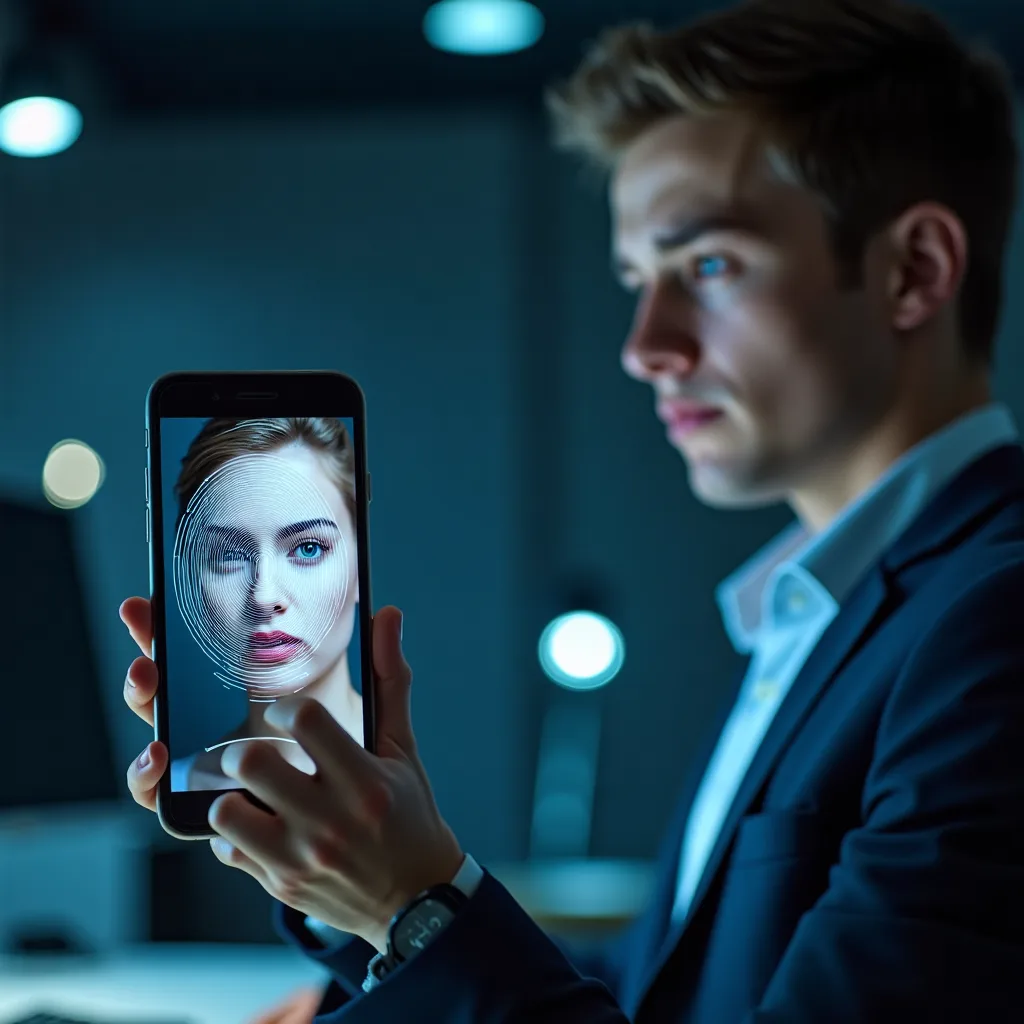
What they're not telling you: TikTok's Biometric Collection Pipeline Now Routes Through Persona: What the Architecture Reveals TikTok has begun requesting biometric data collection permissions tied to Persona, a third-party identity verification backend, marking the first documented instance of the platform's direct integration with external biometric processing infrastructure. The request appeared in-app for users attempting to access monetization features, according to reports from users on privacy-focused forums. Persona, a San Francisco-based identity verification company founded in 2018, provides automated biometric capture and liveness detection services for financial institutions, cryptocurrency exchanges, and platform marketplaces.
What the Documents Show
By routing biometric data through Persona rather than processing it directly, TikTok creates a documented data-sharing relationship that extends facial geometry, voice patterns, and identity verification results beyond ByteDance's direct control. This integration matters specifically because it establishes a new vector for data distribution. Persona operates under standard commercial data-sharing agreements with downstream clients—financial services, credit bureaus, and regulatory compliance vendors. The company's terms of service, reviewed in prior public filings, permit use of aggregated biometric data for model training, fraud detection pattern analysis, and third-party risk assessment purposes. When TikTok users submit biometric data to Persona's backend, that data enters a separate commercial ecosystem with its own set of data brokers and access permissions.
Follow the Money
What distinguishes this from standard TikTok data collection is the infrastructure choice itself. TikTok's previous monetization access relied on identity verification through government-issued ID scanning, processed through TikTok's own systems. The shift to Persona indicates either a deliberate architectural decision to externalize biometric processing or a response to regulatory pressure that makes direct collection legally riskier. Either interpretation reveals the same operational reality: biometric data collection is now being distributed across multiple corporate entities with separate data-handling obligations. The user response has been immediate deletion of the application from devices where Persona permissions were requested. This suggests users recognize the distinction between platform-native data collection and third-party biometric integration—a distinction that regulatory frameworks and privacy disclosures have not adequately addressed.
What Else We Know
ByteDance, which owns TikTok, maintains separate data handling policies for data processed domestically versus data processed in the United States, a distinction that becomes legally relevant if Persona's servers operate under different jurisdictional rules than TikTok's primary infrastructure. Federal Communications Commission oversight of platform data practices remains limited to transparency requirements, not architectural restrictions. The Federal Trade Commission's existing consent decrees against TikTok (2023) address data minimization but do not explicitly restrict third-party biometric processor integration. This gap means the Persona integration likely does not violate existing settlements, even as it distributes user biometric data through channels those settlements did not anticipate or regulate. --- THE TAKE What I find striking is how efficiently corporate architecture becomes a regulatory loophole. TikTok didn't invent a new way to collect biometric data—it invented a new path to distribute it through a vendor whose business model depends on selling access to that data.
Primary Sources
- Source: r/privacy
- Category: Surveillance State
- Cross-reference independently — don't take our word for it.
Disclosure: NewsAnarchist aggregates from public records, API feeds (Federal Register, CourtListener, MuckRock, Hacker News), and independent media. AI-assisted synthesis. Always verify primary sources linked above.