Watch: French Fighter Jets Shoot Down Kamikaze Drone Over Latvia

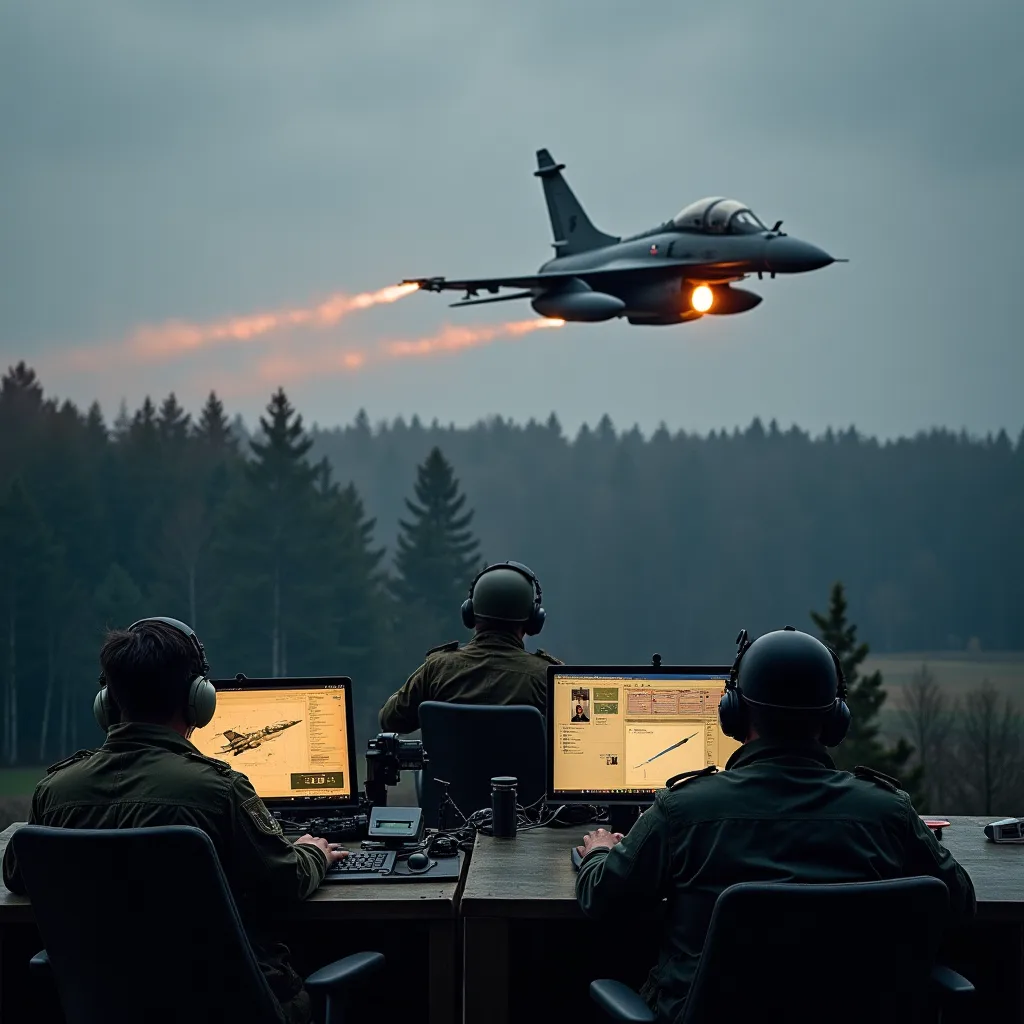
What they're not telling you: French Jets Shoot Down Drone Over Latvia—But Attribution Remains Conveniently Murky A French Rafale fighter jet destroyed an unidentified drone over Latvian airspace Monday morning, yet neither Latvia's military nor its Foreign Affairs Minister has publicly confirmed who launched it. The incident unfolded with classic NATO protocol: Latvia's National Armed Forces (NBS) detected an airspace violation near the eastern municipalities of Ludza, Balvi, and Alūksne, triggering emergency SMS alerts instructing residents to "seek shelter indoors, close windows and doors—follow the two-wall principle." France's military responded by scrambling a Rafale jet, which successfully destroyed the target. Latvia's Foreign Affairs Minister Baiba Braže publicly thanked France for the intercept, and the all-clear was issued by 10:30 AM local time.
What the Documents Show
But here's what the headlines bury: The NBS told Reuters the drone "entered Latvian airspace from Russia," yet official statements from both Latvia and France have not named Russia as the originator. This distinction matters. A drone crossing from Russian territory is not the same as a drone launched by Russia. Transit routes and origin points are different operational questions, and conflating them obscures accountability. The attribution fog deepens when examining parallel incidents.
Follow the Money
A similar drone crash was reported simultaneously in Moldova, where authorities suggested the device was "most likely Ukrainian." The Kremlin, predictably, has seized on these ambiguities to frame incidents as Ukrainian operations, shifting blame away from Moscow. What's notable is that official NATO sources—including Latvia itself—have not firmly contradicted this narrative with hard evidence. They've simply avoided naming origins altogether. This creates a useful ambiguity for multiple parties. If the drone was Russian, acknowledging it directly escalates the confrontation and demands a formal NATO response under collective defense provisions. If it was Ukrainian, admitting this invites scrutiny into why Ukraine would conduct strikes in NATO airspace, potentially destabilizing Western coalition unity.
What Else We Know
Remaining silent on attribution allows all parties to move forward without triggering institutional commitments. The pattern here mirrors months of similar incidents across Baltic and Eastern European airspace. NATO shoots them down. Attribution remains officially unresolved. Each incident generates regional panic—emergency alerts, shelter-in-place orders—yet produces no authoritative determination of who's actually conducting these operations. This is not operational security.

The real story is institutional silence, and I find it striking because silence usually serves a purpose. When NATO states can destroy an airborne threat within their territory and still decline to name who sent it, they're signaling that the operational cost of attribution exceeds the operational benefit. Either naming the actor would trigger escalation they're unprepared to manage, or they genuinely cannot distinguish between operators—which itself is a form of operational failure.
The pattern here is consistent across months and multiple countries: detection, interception, mystery. This suggests NATO is managing incidents rather than deterring their cause. The institution benefits from appearing competent and responsive without clarifying what threat it's actually responding to. Operators of these drones—Russian, Ukrainian, or proxy actors—benefit from plausible deniability as long as attribution remains publicly unresolved.
What ordinary people should understand: When military institutions can destroy targets in your airspace but won't tell you who sent them, you're not being protected—you're being managed. Watch for whether any NATO member formally publishes drone debris analysis, operator signatures, or attribution assessments. That's when you'll know whether this is actually being solved or simply being tolerated.
Primary Sources
- Source: ZeroHedge
- Category: Conflict & Wars
- Cross-reference independently — don't take our word for it.
Disclosure: NewsAnarchist aggregates from public records, API feeds (Federal Register, CourtListener, MuckRock, Hacker News), and independent media. AI-assisted synthesis. Always verify primary sources linked above.