Mark Zuckerberg defends Meta in court against monopoly claims

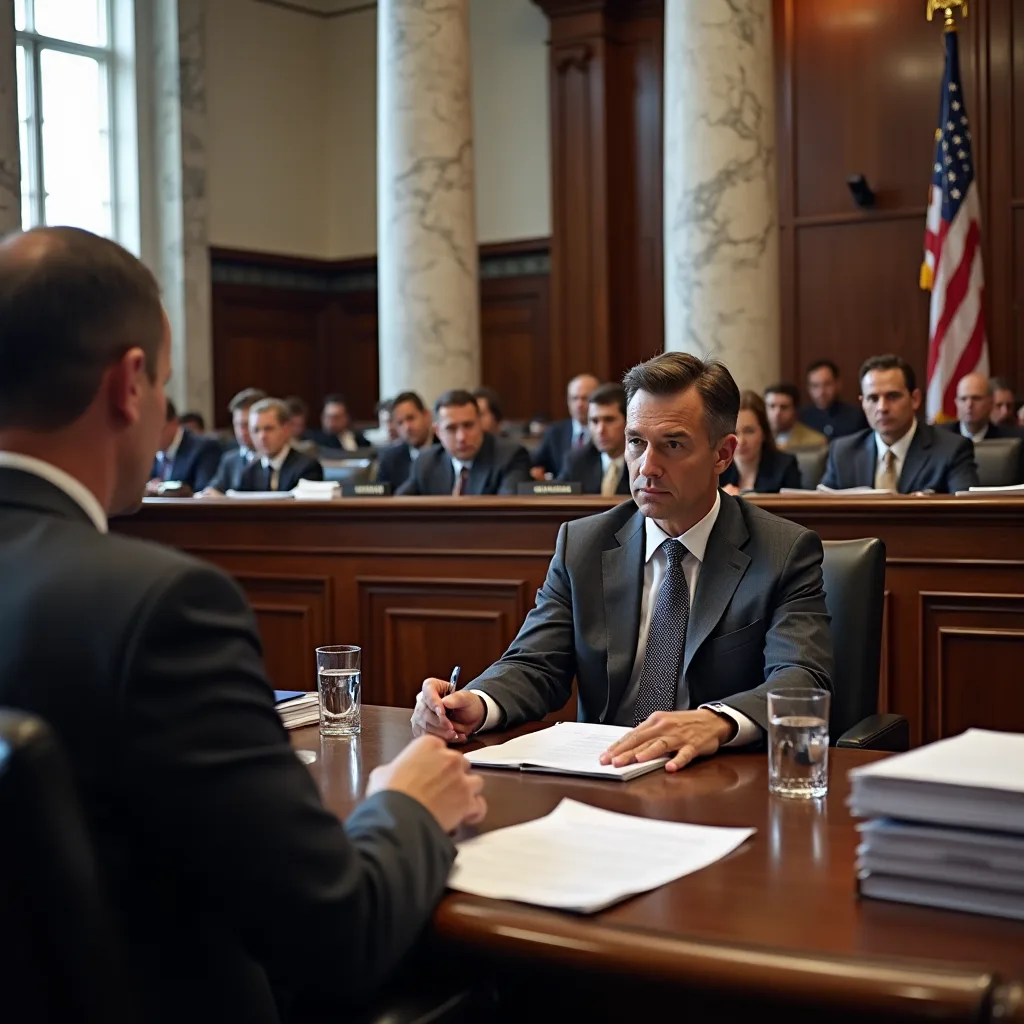
What they're not telling you: Mark Zuckerberg Takes the Stand Because the FTC Couldn't Stop Meta's Acquisition Spree Mark Zuckerberg is defending Meta in court today because federal regulators spent nearly a decade watching the company acquire potential competitors while doing nothing to block the deals that concentrated market power in his hands. The FTC's antitrust case against Meta centers on the company's 2012 acquisition of Instagram for $1 billion and its 2014 purchase of WhatsApp for $19 billion—two deals that should have triggered serious regulatory scrutiny but instead moved through with minimal resistance. Zuckerberg's testimony marks a turning point: the government is finally forcing him to explain acquisitions that were publicly visible, that shifted the competitive landscape permanently, and that generated zero enforcement action at the time they occurred.
What the Documents Show
What the mainstream coverage misses is the machinery of regulatory capture that allowed these deals to close. The FTC, under chairs from both parties, had the authority to challenge these acquisitions as they happened. Instead, the agency approved them. Meta's competitors—particularly Snapchat and Twitter—were left to compete against a fortress that had absorbed its most viable challengers. Instagram alone now generates an estimated $40 billion in annual revenue for Meta, making it one of the most profitable acquisitions in corporate history.
Follow the Money
WhatsApp's user base of 2 billion people handed Zuckerberg control over messaging infrastructure that transcends borders and regulations. The institutional failure runs deeper than one agency. The DOJ's Antitrust Division, which shares merger review authority with the FTC, signed off on both deals without meaningful challenge. Between 2012 and 2018, the government approved Meta acquisitions while those same years saw the company's market cap rise from $104 billion to $547 billion. The beneficiaries were clear: Meta shareholders and the company's executives. The cost was borne by entrepreneurs who might have built competing platforms, by advertisers locked into Meta's pricing power, and by users who faced a narrowing choice of social platforms.
What Else We Know
Zuckerberg's courtroom appearance is an admission of institutional failure dressed as litigation. The FTC is now trying to unwind deals from a decade ago using legal theories about competitive harm that should have been obvious when the ink was still wet on the acquisition agreements. What's striking is the timing: we're litigating Instagram and WhatsApp in 2024 while Meta continues to acquire companies with minimal friction. The pattern of regulatory passivity didn't end—it just moved forward. The question before the court is narrow: did Meta's past acquisitions illegally monopolize social networking? But the question the government should have asked ten years ago was simpler: should we allow the dominant platform in a market to acquire every emerging competitor?
Primary Sources
- Source: Google News (Corporate Watchdog)
- Category: Corporate Watchdog
- Cross-reference independently — don't take our word for it.
Disclosure: NewsAnarchist aggregates from public records, API feeds (Federal Register, CourtListener, MuckRock, Hacker News), and independent media. AI-assisted synthesis. Always verify primary sources linked above.