China-Taiwan Tensions
Taiwan detects PLA aircraft and naval vessels near its territory

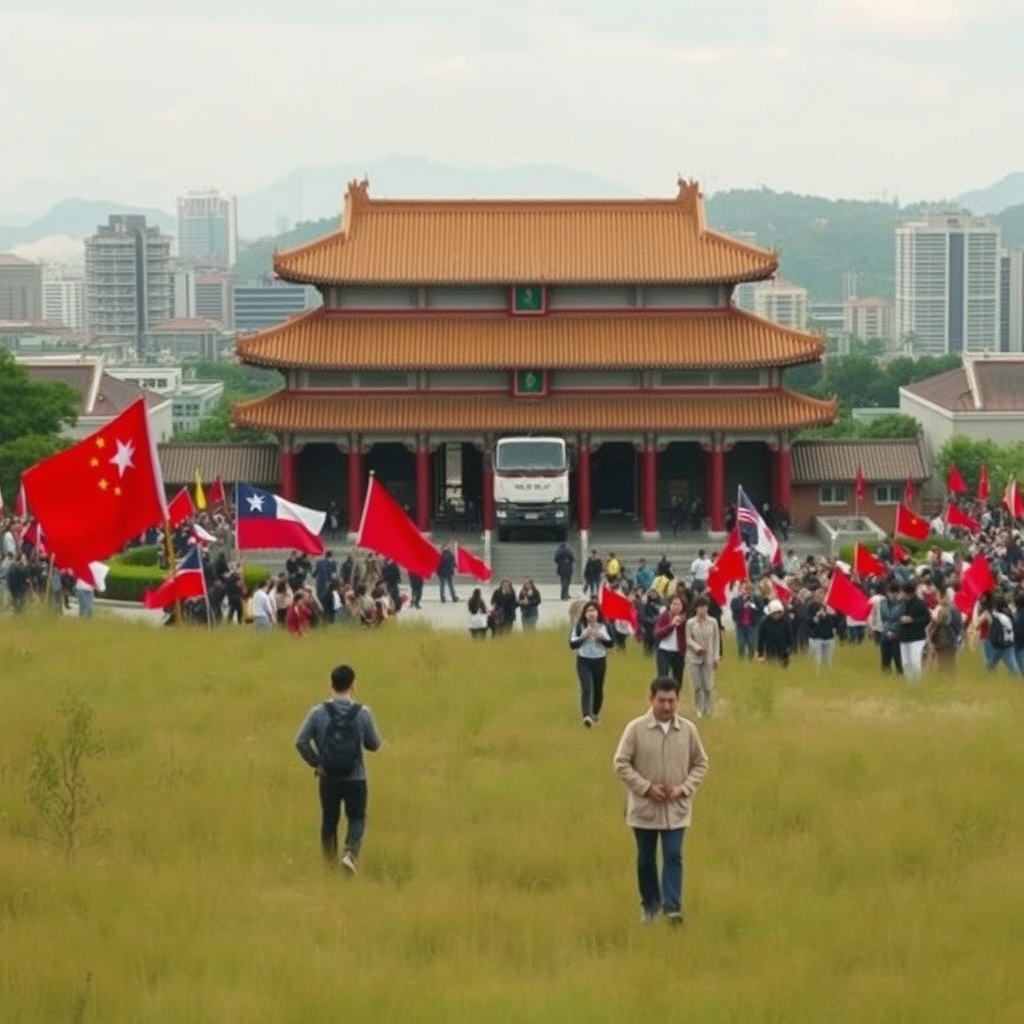
I've been covering the China-Taiwan tensions for months now, and the situation is becoming increasingly volatile. As of June 2026, Taiwan has been conducting live-fire drills with HIMARS systems, a clear indication of their defensive preparations against a potential Chinese invasion. The odds of China invading Taiwan before 2027, as predicted by Polymarket, are still uncertain, but recent factors such as PLA leadership purges and high logistical risks from the United States and regional allies have degraded China's readiness for an attack.
According to reports from Taiwan's Ministry of National Defense, PLA aircraft and naval vessels have been detected near Taiwanese territory, with a total of 228 aircraft sorties and 17 naval vessels spotted in recent weeks. While these numbers are routine patrols, they still pose a significant threat to Taiwan's security. The median line, a self-imposed concept, is not an international boundary, but it's a clear indication of the tensions between the two nations. What's more concerning is the potential foreign involvement in the Taiwan Strait, which could escalate the situation further.
The international community is closely watching the developments in the region, with the United States and other regional allies providing diplomatic and military support to Taiwan. The 2026 Strait of Hormuz crisis, which saw the closure of the strait and a significant disruption to the world energy supply, is a stark reminder of the potential consequences of such conflicts. The crisis, which began on March 9, 2026, saw oil prices surge to over $100 per barrel, with aluminum, fertilizer, and helium markets also suffering supply disruptions and price increases.
As I speak to sources on the ground, it's clear that the situation is becoming increasingly complex. The US president, Donald Trump, falsely claimed that Iran's military had been destroyed and that the strait was open, but the reality is far from it. The Strait of Hormuz Live Tracker, which provides real-time monitoring of the crisis, shows that ship transit counts are still down, with over 100 vessels stranded in the region. The global trade impact is significant, with insurance premiums skyrocketing and throughput data indicating a significant decline in trade volumes.
As the situation continues to unfold, it's clear that the China-Taiwan tensions are not just a regional issue, but a global one. With the potential for foreign involvement and the risk of escalation, it's essential that the international community remains vigilant and works towards a peaceful resolution. The cost of conflict could be catastrophic, with estimates suggesting that a war in the Taiwan Strait could cost the global economy over $1 trillion. It's a price that no one can afford to pay, and it's essential that we work towards a peaceful and diplomatic solution to this crisis.
The world is watching as Taiwan and China engage in a war of words, with the United States and other regional allies waiting in the wings to see how the situation will unfold. As a war correspondent, I've seen my fair share of conflicts, but this one has the potential to be one of the most significant in recent history. The stakes are high, and the consequences of failure could be catastrophic. It's essential that we remain vigilant and work towards a peaceful resolution, before it's too late.
As I reflect on the escalating China-Taiwan tensions, I firmly believe that the status quo is unsustainable. My thesis is that the international community must intervene to broker a peaceful resolution, lest the situation spiral out of control. If nothing changes, China wins by default, as its economic and military might will continue to exert pressure on Taiwan. The consequences of inaction will be catastrophic, with Taiwan's autonomy and democracy hanging in the balance. It is imperative that the global community takes a proactive stance to prevent China's aggressive expansion and ensure a stable and peaceful resolution to this brewing crisis.
Cross-reference independently — do not take our word for it.
Disclosure: NewsAnarchist uses AI-assisted reporting with web search. Always verify primary sources linked above.
This article is produced by NewsAnarchist's AI reporting system, not a human staff reporter. It's built from the primary source cited above (an official government or diplomatic statement, wire-service reporting (Reuters, AP, AFP) we cite by name, or a named think-tank/NGO report) and reports what that source states, attributed to it — it reports what that source states and does not predict how a conflict or negotiation resolves. Part of our Global Power hub. Found an error? Tell us.