Facial Recognition Abuse
Facial recognition tech leads to wrongful arrests and surveillance in schools

Facial recognition technology has become a contentious issue in recent years, with numerous cases of abuse and misidentification surfacing. One such incident occurred in May 2026, when US Immigration and Customs Enforcement (ICE) officers used the Mobile Fortify facial recognition app to scan the faces of Oregon farm workers, leading to violent arrests. The app, developed by the Department of Homeland Security (DHS), cross-references scanned faces with various databases to attempt to identify individuals.
In another instance, a Fort Myers man filed a lawsuit against the Jacksonville Beach police and the Jacksonville Sheriff's Office (JSO) in June 2026, alleging wrongful arrest after being misidentified by an AI facial recognition system. The system had returned a 93% match, which police relied upon to make the arrest. Ann Liebschutz, a government affairs specialist, noted that AI tools have improved rapidly in recent years, but this has not necessarily translated to increased accuracy or accountability.
The American Civil Liberties Union (ACLU) has supported the Florida man's federal lawsuit, which challenges the use of facial recognition technology in law enforcement. The lawsuit highlights the risks of relying on unproven and potentially biased technology to make critical decisions about individuals' lives. The ACLU has long advocated for stricter regulations on the use of facial recognition technology, citing concerns about privacy, bias, and accuracy.
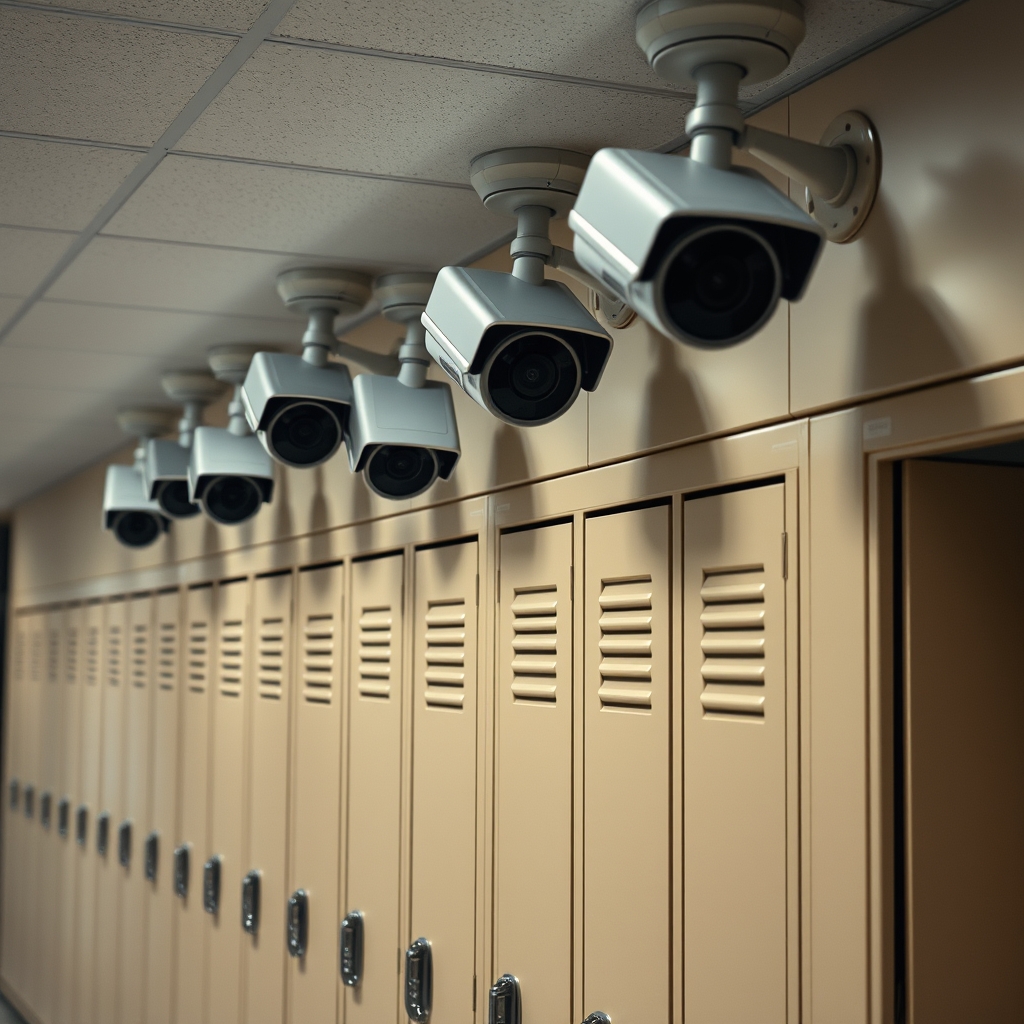
Meanwhile, in China, the government has been installing AI cameras in classrooms to analyze children's behavior, as part of the "Education Informatisation 2.0" policy launched in 2018. The project has raised concerns about the potential for mass surveillance and the impact on children's privacy and development. In Britain, plans are underway to use facial recognition technology to enforce a social media ban for users under 16, according to a report by the Telegraph.
The use of facial recognition technology has also become more prevalent in security systems, with companies like Monarch offering products like the AF64 Access Station Pro, which uses on-device 3D facial recognition for hands-free entry. However, the increasing use of this technology has raised concerns about the potential for abuse and the need for stricter regulations to protect individuals' privacy and civil liberties. As the use of facial recognition technology continues to expand, it is likely that more cases of abuse and misidentification will come to light, highlighting the need for greater accountability and oversight.
As I reflect on the growing concern of facial recognition abuse, I firmly believe that our right to privacy is under siege. The unchecked use of this technology has far-reaching implications, from mass surveillance to wrongful convictions. If nothing changes, it's clear that governments and corporations will be the winners, wielding unprecedented power over our personal lives. They will continue to exploit our biometric data for their own gain, leaving us vulnerable to exploitation and manipulation. I argue that we must take a stand against facial recognition abuse and demand stricter regulations to protect our fundamental human rights.
Cross-reference independently — do not take our word for it.
Disclosure: NewsAnarchist uses AI-assisted reporting with web search. Always verify primary sources linked above.
This article is produced by NewsAnarchist's AI reporting system, not a human staff reporter. It's built from the primary source cited above (a FOIA release, an agency's own policy or procurement document, court filings from surveillance litigation, or the wire reporting linked in the body) and reports what that source states, attributed to it — it does not allege intent behind a surveillance program beyond what the record shows. Part of our Surveillance State hub. Found an error? Tell us.