Global Energy Crisis
US-Iran deal fails to ease Hormuz transit concerns

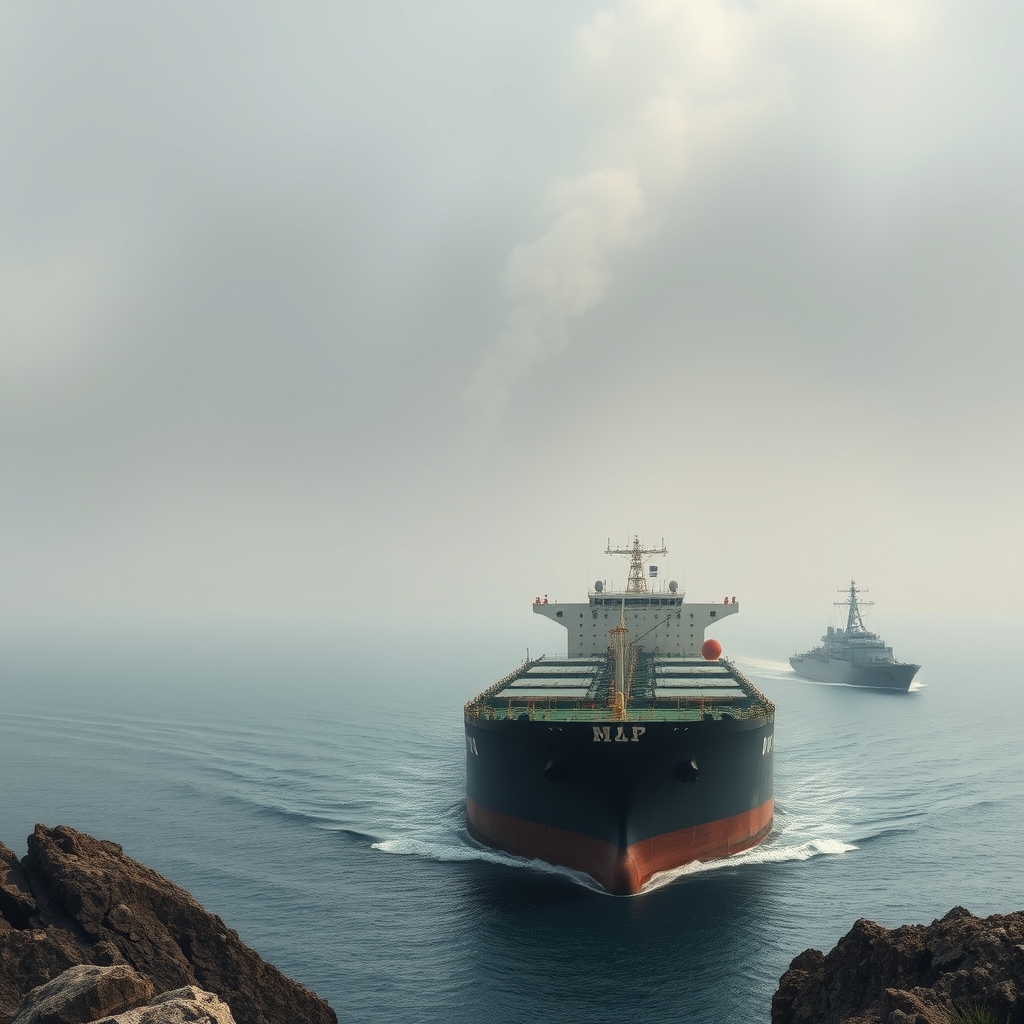
The global energy crisis continues to escalate, with tensions in the Middle East and a shortage of liquefied natural gas (LNG) driving up demand for alternative energy sources. According to reports, Malaysia is tapping its offshore gas reserves to meet record power demand, driven by a searing heatwave and the increasing number of data centres in the country. This move comes as countries across Asia are burning more coal to make up for LNG shortages, a trend that is likely to have significant environmental implications.
Solar energy has emerged as the cheapest source of power worldwide, driving a massive shift towards renewables. As of October 7, 2025, solar energy had become the most cost-effective option for power generation, leading to a surge in investment in the sector. Big tech companies are also playing a key role in driving down the costs of geothermal power, with several major deals announced in recent months. The Global Energy Forum 2026, scheduled to take place in New York on June 23-24, will bring together industry leaders to discuss the latest developments in the energy sector.
However, despite the growing focus on renewable energy, many wind and solar power plants in China are being strangled due to the country's failing electricity system. According to a report by the Centre for Research on Energy and Clean Air (CREA), published on June 4, China's electricity system is unable to keep up with the growing demand for clean energy. This has resulted in a significant amount of wind and solar power being wasted, with the report estimating that the country's renewable energy sector is losing billions of dollars in potential revenue.
The Strait of Hormuz crisis has also had a significant impact on global energy security, with the US-Iran deal failing to alleviate concerns among global shippers. The crisis has boosted China's focus on energy security, including through clean energy and electrification, but the country's electricity system remains a major bottleneck. Prime Minister Narendra Modi's upcoming visit to France and Slovakia is expected to focus on issues related to global energy security and the impact of the Middle East tensions on India's economy.
The global energy crisis is also having a significant impact on the nuclear power sector, with several countries reconsidering their nuclear energy plans. Tokyo Electric Power Company Holdings' (TEPCO) Kashiwazaki-Kariwa nuclear power station in Japan, for example, has been in the spotlight in recent months, with the company announcing plans to restart the reactor. The move is expected to help alleviate some of the pressure on Japan's energy sector, which has been struggling to meet demand due to a shortage of LNG and other fossil fuels.
As I reflect on the global energy crisis, I firmly believe that our reliance on non-renewable energy sources is unsustainable. If we don't shift towards cleaner alternatives, the consequences will be catastrophic. My thesis is that immediate action is necessary to transition to renewable energy sources to mitigate the crisis. Unfortunately, if nothing changes, the winners will be the fossil fuel corporations, who will continue to reap profits at the expense of the planet and its inhabitants. They will benefit from the status quo, while the rest of us will suffer the devastating effects of climate change and energy scarcity.
Cross-reference independently — do not take our word for it.
Disclosure: NewsAnarchist uses AI-assisted reporting with web search. Always verify primary sources linked above.
This article is produced by NewsAnarchist's AI reporting system, not a human staff reporter. It's built from the primary source cited above (an official government or diplomatic statement, wire-service reporting (Reuters, AP, AFP) we cite by name, or a named think-tank/NGO report) and reports what that source states, attributed to it — it reports what that source states and does not predict how a conflict or negotiation resolves. Part of our Global Power hub. Found an error? Tell us.