Myanmar War Rages
Civil war and US-Iran fuel shock push Myanmar inflation to 25%
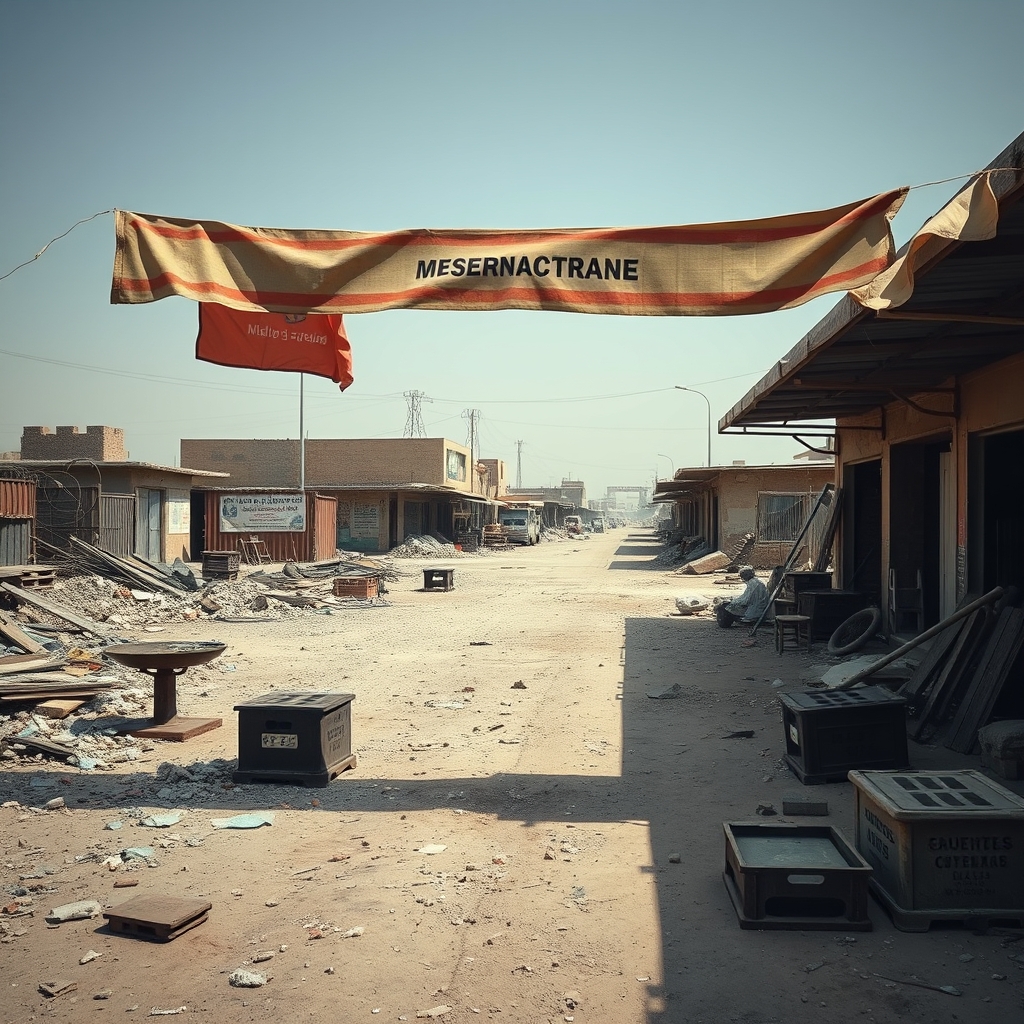
The ongoing civil war in Myanmar has resulted in significant human suffering and economic instability. The conflict, which began in 2021, has seen the National Unity Government's armed wing, the People's Defence Force, clash with the Tatmadaw, Myanmar's security forces. On May 5, 2021, the People's Defence Force was formed to protect supporters from attacks by the State Administration Council, and the first major clash occurred on May 23, 2021, in the town of Muse, resulting in the deaths of at least 13 members of Myanmar's security forces.
The conflict has continued to escalate, with a recent explosion in Namhkam Township resulting in the deaths of between 55 to 65 people, with 74 injured and multiple missing. Rescue workers recovered 46 bodies, including six children, which were taken for cremation. The explosion highlights the ongoing violence and instability in the region. Meanwhile, the country's new president, who led the military junta that staged a coup in 2021, has begun a weeklong trip to China, marking an effort to reopen international relations after years of isolation.
The economic situation in Myanmar has also been severely impacted by the conflict, with inflation spiking to nearly 25 percent due to the civil war and shocks from the Middle East conflict. The World Bank has reported that the inflation rate has been compounded by the effects of the country's civil war. In a separate development, a former US Marine and ex-AmCham Myanmar president was detained at Yangon airport on June 15, 2026, after the chamber uncovered $300,000 in allegedly unauthorized payments linked to former board members.
The detention of the American businessman, Castillo, has been reported by several outlets close to the military, including NP News. Authorities in Myanmar rarely speak to international media, but the American Chamber of Commerce had filed a complaint against Castillo, leading to his arrest. The incident highlights the challenges faced by foreign businesses operating in Myanmar, which is in the midst of a civil war. As the conflict continues to rage on, the humanitarian and economic situation in the country remains dire, with no end in sight to the violence and instability.
The international community has been called upon to provide assistance to those affected by the conflict, but the situation remains complex, with multiple factions involved and a lack of clear communication from the authorities. The visit of Myanmar's president to China may mark a significant step towards reopening international relations, but it remains to be seen how this will impact the ongoing conflict and the humanitarian situation on the ground.
As I reflect on the ongoing conflict in Myanmar, I firmly believe that the international community's inaction will only perpetuate the cycle of violence. The Myanmar War rages on, causing unimaginable suffering for its people. If nothing changes, the military junta will ultimately emerge as the winner, consolidating their power and crushing the opposition. The people of Myanmar will continue to bear the brunt of this conflict, facing human rights abuses, displacement, and poverty. It is imperative that the global community takes a stronger stance against the military regime to prevent further devastation and support the democratic aspirations of the Myanmar people.
Cross-reference independently — do not take our word for it.
Disclosure: NewsAnarchist uses AI-assisted reporting with web search. Always verify primary sources linked above.