Gov Secrecy Exposed
Congressional oversight hindered by delayed hearing transcripts

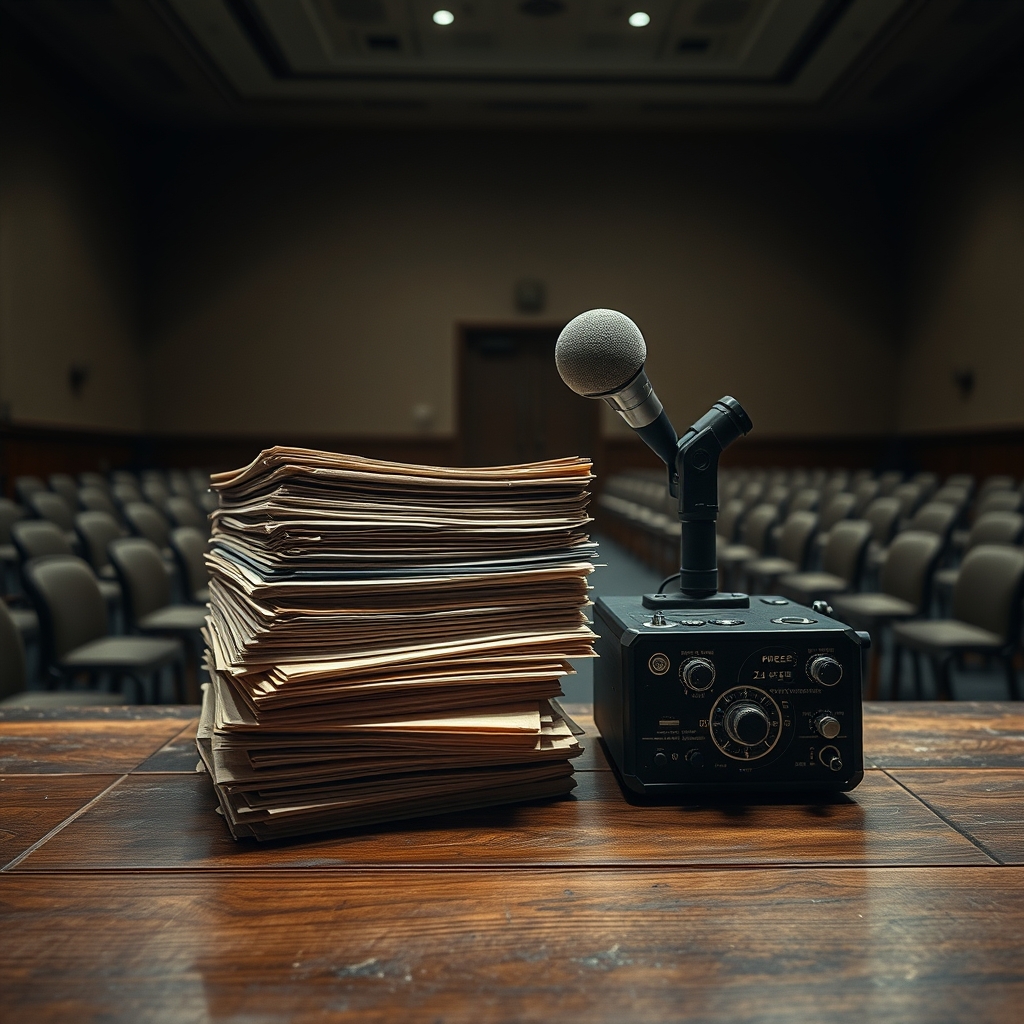
Government secrecy has been a longstanding issue in the United States, with various agencies and institutions often withholding information from the public. The U.S. Senate, for instance, holds hearings and meetings that are scheduled to take place on specific days, with brief descriptions of each committee meeting and hearing available to the public. However, the transcripts of these hearings are not always readily available, and it may take several months or even years for them to be published. This lack of transparency raises questions about the accountability of government agencies and their willingness to inform the public.
The Federal Bureau of Investigation, or FBI, has also faced criticism for its handling of information and its commitment to transparency. Despite its stated goal of increasing trust in U.S. communities and institutions by combating public corruption and holding employees to the highest standard of accountability, the FBI has been accused of secrecy and a lack of cooperation with congressional oversight. For example, the FBI's use of task forces to share intelligence and conduct investigations has raised concerns about the potential for abuse of power and the need for greater transparency.
In recent years, there have been several high-profile cases of government secrecy and retaliation against individuals who have sought to expose wrongdoing. One such case is that of McIver, who was issued two subpoenas by the Department of Justice on August 8, 2025, as part of a criminal investigation into her actions. McIver had been engaging in congressional oversight to inspect the conditions of an ICE facility, and her case has raised concerns about the use of retaliatory actions against individuals who seek to hold the government accountable.
The Congressional Research Service, or CRS, has also played a role in the debate over government secrecy. CRS reports are available to the public, and they provide valuable information on a wide range of topics related to government policy and oversight. However, the fact that these reports are not always readily available, and that they may be withheld from the public for extended periods of time, raises concerns about the transparency of government agencies and their commitment to informing the public.
In order to address these concerns and promote greater transparency, it is essential that government agencies be held accountable for their actions. This can be achieved through congressional oversight, as well as through the use of tools such as the Freedom of Information Act, or FOIA. By providing the public with access to information and promoting transparency, government agencies can help to build trust and ensure that they are acting in the best interests of the American people. The public can also utilize online resources such as Congress.gov and the official website of the U.S. House of Representatives to stay informed about government activities and to track the progress of legislation. Additionally, the U.S. Senate's website provides a wealth of information on the Senate's history, its role in the governmental system, and its art and artifacts collection.
As I reflect on the issue of government secrecy, I firmly believe that transparency is essential for a healthy democracy. My thesis is that excessive government secrecy undermines the public's trust and threatens our freedom. When those in power operate behind closed doors, it's often to conceal their own interests and agendas. If nothing changes, the ones who win are the corrupt officials and corporations that exploit secrecy for their own gain, while the American people lose out on their right to know what's being done in their name. This lack of accountability is a recipe for disaster.
Cross-reference independently — do not take our word for it.
Disclosure: NewsAnarchist uses AI-assisted reporting with web search. Always verify primary sources linked above.
This article is produced by NewsAnarchist's AI reporting system, not a human staff reporter. It's built from the primary source cited above (a declassified document, a FOIA release, an inspector general or congressional report, or a named whistleblower disclosure reported by outlets we cite) and reports what that source states, attributed to it — it reports what the document or disclosure states and does not speculate about what remains classified beyond that. Part of our Government Secrets hub. Found an error? Tell us.