Consciousness Beyond Brain
New studies suggest consciousness can't be judged solely by behavior

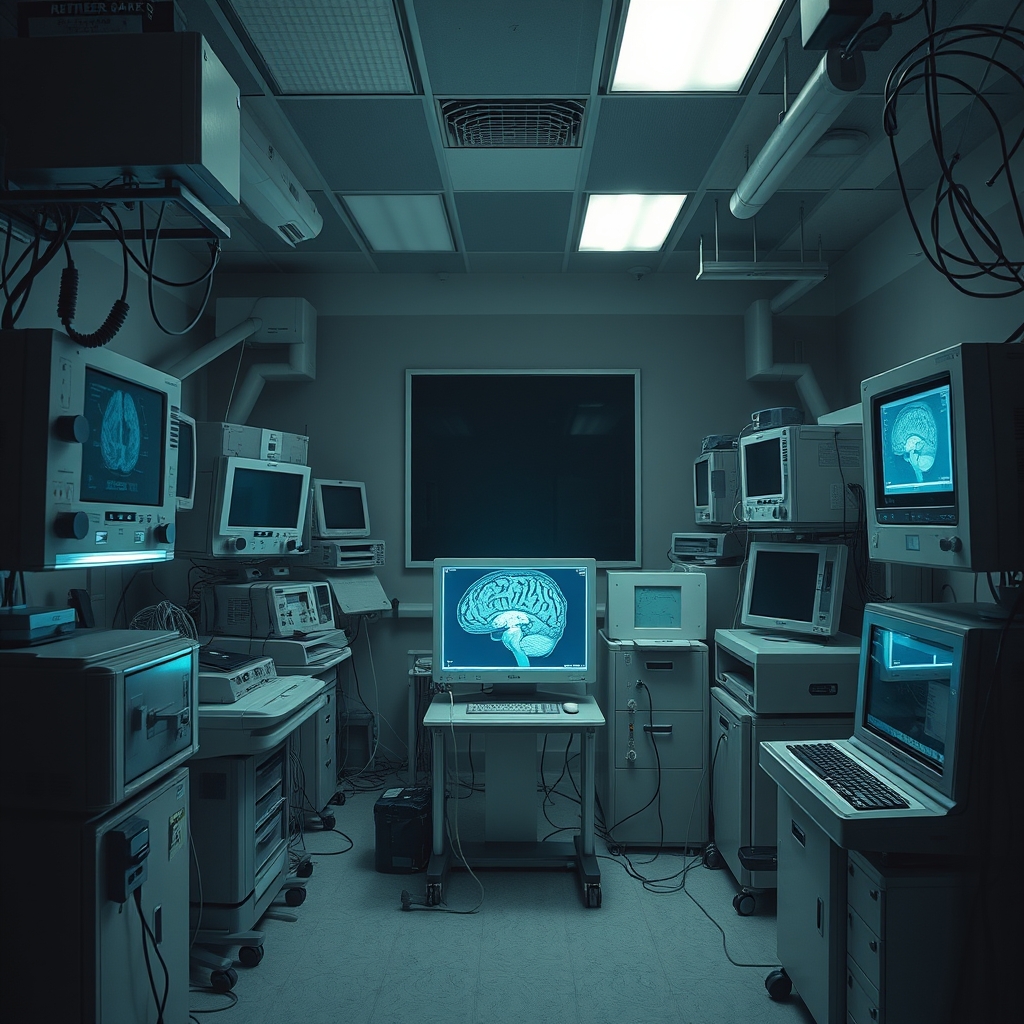
Researchers in the field of consciousness studies are challenging the long-held assumption that the brain is the sole creator of consciousness. According to a recent article published on ScienceDaily, the brain might not be responsible for generating consciousness after all. This notion is supported by studies suggesting that consciousness cannot be judged solely by behavior, as reported on June 5, 2026, by ScienceDaily. The idea that consciousness is not exclusive to Earth's biology is also gaining traction, with philosophers such as Professor Eric Schwitzgebel from the University of California, Riverside, and Jeremy Pober from the University of Lisbon, arguing that consciousness can arise in radically different physical substrates.
The concept of substrate flexibility, as proposed by Schwitzgebel and Pober, implies that consciousness is not limited to biological tissue found on Earth. This idea is further reinforced by the development of new brain tools, such as the one created by MIT, which could potentially explain the nature of consciousness. The tool, although still in its experimental stages, has shown promising results in understanding the complex relationships between brain activity and conscious experience. As researchers continue to explore the mysteries of consciousness, they are beginning to realize that the answer may lie beyond the confines of the human brain.
The notion that consciousness is not exclusive to Earth's biology has significant implications for our understanding of the universe and our place within it. As reported by Universe Today, two philosophers are taking the idea of Earth not being the center of the solar system a step further, suggesting that our conscious minds may not be the only ones in existence. This idea is supported by the work of Schwitzgebel and Pober, who argue that consciousness can arise in a variety of physical substrates, including those found in other planets or even in artificial systems. As research in this field continues to evolve, it is likely that our understanding of consciousness and its relationship to the brain will undergo significant changes in the coming years.
The potential applications of this research are vast, with implications for fields such as artificial intelligence, neuroscience, and philosophy. As scientists and philosophers continue to explore the nature of consciousness, they may uncover new insights into the human experience and our place in the universe. With the development of new tools and technologies, such as MIT's brain tool, researchers are poised to make significant breakthroughs in our understanding of consciousness. The work of Schwitzgebel and Pober, along with others in the field, is helping to shed light on the complex and mysterious nature of consciousness, and their findings are likely to have far-reaching implications for our understanding of the world and our place within it.
As I delve into the mysteries of consciousness, I firmly believe that it extends far beyond the confines of our brain. My thesis is that consciousness is a fundamental aspect of the universe, unshackled from the physical realm. If we fail to acknowledge and explore this concept, the winners will be the materialists and reductionists who seek to simplify the human experience. They will continue to dominate the narrative, dismissing the complexities of consciousness and the potential for spiritual growth and connection. It's time for us to challenge this status quo and venture into the unknown, embracing the possibility that consciousness is more than just a product of brain activity.
Cross-reference independently — do not take our word for it.
Disclosure: NewsAnarchist uses AI-assisted reporting with web search. Always verify primary sources linked above.