DOJ Faces Credibility Crisis
Prosecutorial misconduct allegations mount against Trump's DOJ
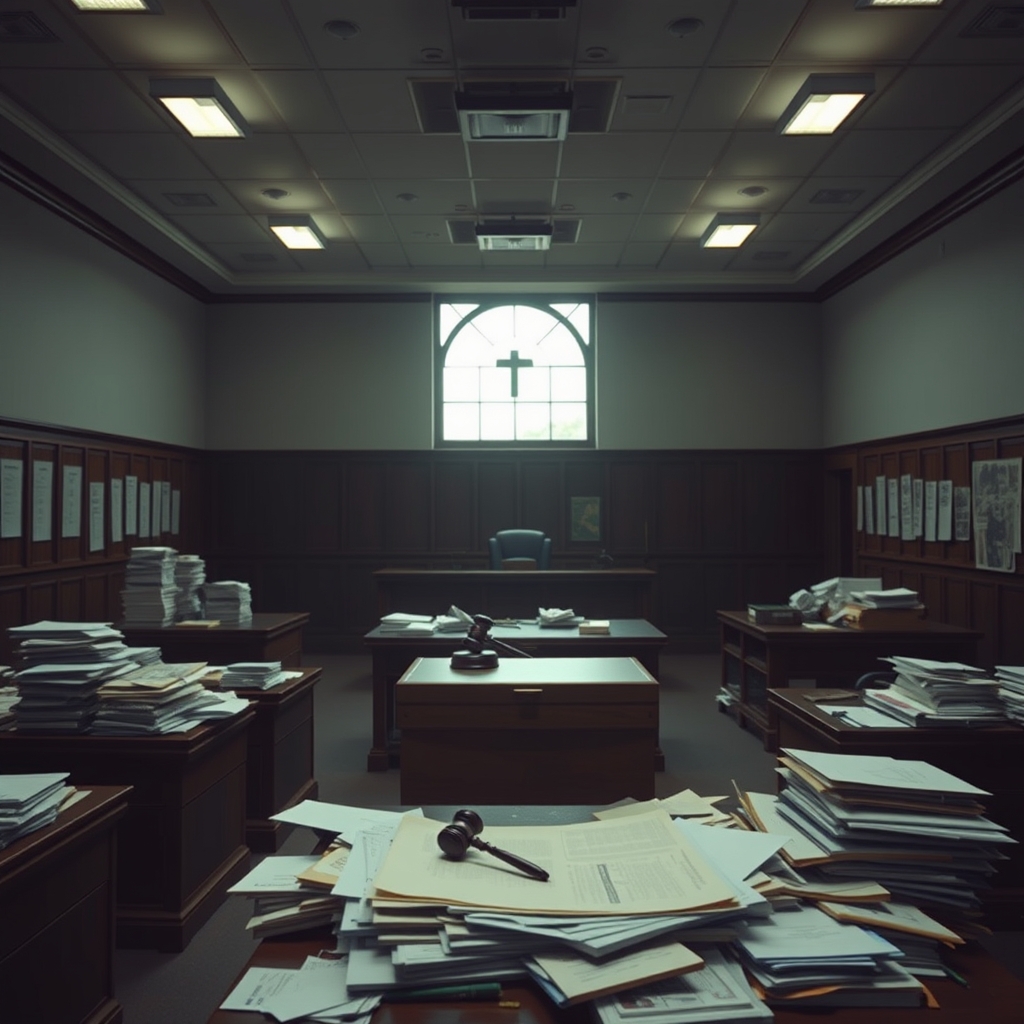
The Department of Justice is facing a credibility crisis, with a string of high-profile cases raising questions about the integrity of the agency's prosecutors. In Minnesota, 15 people were charged with conspiracy over alleged interference in an immigration crackdown, sparking concerns about the government's approach to protests. Meanwhile, in Illinois, the so-called Broadview Six - a group of protesters who demonstrated at the Broadview detention facility - saw their charges dropped amid revelations of serious prosecutorial misconduct.
The case against the Broadview Six was dismissed last month after U.S. District Judge April Perry discovered apparent wrongdoing by government lawyers. The judge, who once served as a federal prosecutor in Chicago, was urged by defense attorneys to review unredacted transcripts of the grand jury proceedings, which revealed the misconduct. The Broadview Six are now seeking a special prosecutor to investigate the Trump DOJ's handling of their case, as well as the office of U.S. Attorney John Lausch, which oversaw the prosecution.
In a separate case, three activists in Spokane, Washington, were convicted of conspiracy charges over an anti-ICE demonstration. However, the federal government's track record in such cases has been marred by controversy. Trump administration prosecutors have failed to convince grand juries to indict in sensitive cases, and have had to abandon significant cases amid evidence of prosecutorial misconduct. Gavin Newsom, the governor of California, has been testing the limits of the DOJ's credibility, and the agency's handling of cases like the Broadview Six has raised eyebrows.
The request for a special prosecutor in the Broadview Six case is not unprecedented. In fact, it is part of a growing trend of defendants seeking outside investigations into the DOJ's handling of their cases. The Broadview Six are asking Judge Perry to appoint a special prosecutor to investigate government lawyers involved in their case, citing concerns that the DOJ cannot credibly investigate itself. As one of the protesters' attorneys noted, "No one can credibly investigate themselves," highlighting the need for an independent review of the DOJ's actions.
The DOJ's credibility crisis has significant implications for the justice system as a whole. If the agency is seen as unable or unwilling to police its own prosecutors, it can erode trust in the system and undermine the rule of law. The Broadview Six case is just one example of the DOJ's troubled track record, and it remains to be seen how the agency will respond to calls for greater accountability and transparency. With the DOJ facing scrutiny from lawmakers, judges, and the public, it is clear that the agency has a long way to go to restore its credibility.
As I reflect on the current state of the Department of Justice, I firmly believe that it faces a credibility crisis. The recent actions and decisions made by the department have raised questions about its impartiality and commitment to upholding the law. If nothing changes, I argue that the true winners will be corrupt politicians and individuals who have exploited the system for personal gain. They will continue to operate with impunity, undermining the public's trust in the justice system. It is imperative that the DOJ takes immediate action to address these concerns and restore its credibility.
Cross-reference independently — do not take our word for it.
Disclosure: NewsAnarchist uses AI-assisted reporting with web search. Always verify primary sources linked above.
This article is produced by NewsAnarchist's AI reporting system, not a human staff reporter. It's built from the primary source cited above (a declassified document, a FOIA release, an inspector general or congressional report, or a named whistleblower disclosure reported by outlets we cite) and reports what that source states, attributed to it — it reports what the document or disclosure states and does not speculate about what remains classified beyond that. Part of our Government Secrets hub. Found an error? Tell us.