EU Sanctions Russia
New EU sanctions target Russia's energy revenues and military-industrial complex

The European Union has imposed a new set of sanctions on Russia in response to its ongoing war of aggression against Ukraine. The sanctions, approved on June 16, 2026, target Russia's energy revenues, military-industrial complex, propaganda, and human rights violations. According to the European External Action Service, these measures are designed to put more pressure on Russia to end the war, striking at the heart of its military-industrial complex and the networks that fuel Moscow's hybrid attacks.
The EU sanctions are part of a broader effort by Western countries to isolate Russia economically and diplomatically. The United States, in particular, has been a key player in this effort, with the Office of Foreign Assets Control imposing a range of sanctions on Russian individuals and entities. The US sanctions program, which includes the Specially Designated Nationals List and the Consolidated Sanctions List, is designed to block assets and impose trade restrictions to accomplish foreign policy and national security goals.
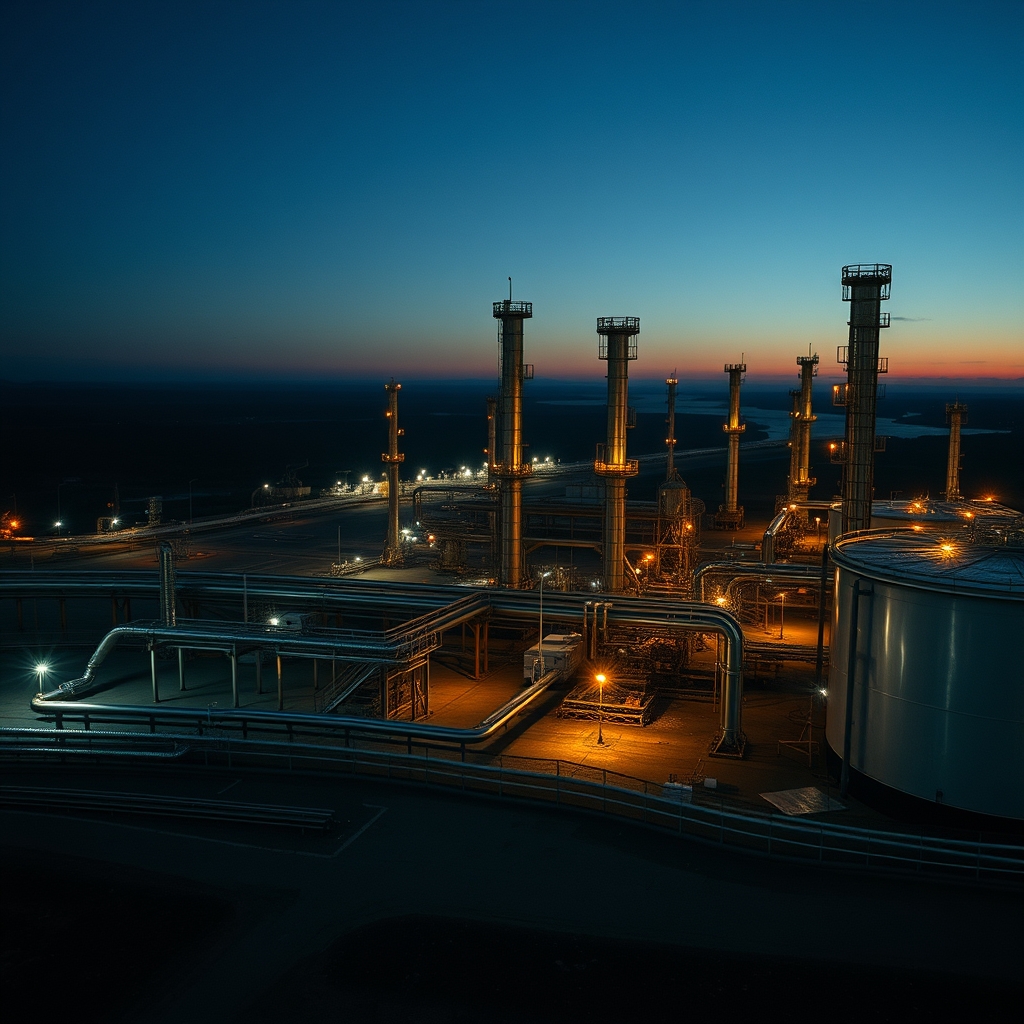
The EU sanctions are expected to have a significant impact on the Russian economy, particularly in the energy sector. Russia's energy revenues are a key source of funding for its military activities, and the EU sanctions are designed to cut off this funding stream. The sanctions will also target Russian propaganda outlets and individuals responsible for human rights violations. According to reports, the EU has imposed sanctions on over 100 Russian individuals and entities, including high-ranking military officials and prominent business leaders.
The US has also been actively involved in imposing sanctions on Russia, with the Treasury Department's Office of Foreign Assets Control playing a key role. On June 1, 2026, the US imposed new sanctions on Russia, targeting its military-industrial complex and energy sector. The sanctions are expected to have a significant impact on the Russian economy, with some estimates suggesting that they could cost Russia up to $10 billion in lost revenue.
In contrast, the US has recently lifted some sanctions on Iran, allowing the country to sell its oil freely on the international market. The move, announced by US Vice President JD Vance on June 10, 2026, is part of a broader deal between the US and Iran, which also includes the dilution of Iran's stockpile of highly enriched uranium. The deal has been welcomed by some as a significant breakthrough in relations between the two countries, but others have expressed concerns about the potential consequences of lifting sanctions on Iran.
As I reflect on the EU sanctions against Russia, I firmly believe that these measures are not only ineffective but also counterproductive. My thesis is that the EU's approach to sanctioning Russia has failed to achieve its intended goals and has instead led to further escalation. If nothing changes, I fear that Russia will ultimately win, as they have successfully adapted to the sanctions and continue to exert significant influence over European energy markets. The EU's failure to diversify its energy sources has left them vulnerable to Russian manipulation, allowing Putin to maintain his grip on the region.
Cross-reference independently — do not take our word for it.
Disclosure: NewsAnarchist uses AI-assisted reporting with web search. Always verify primary sources linked above.