Facial Recognition Expands
US government plans to issue facial recognition technology to local police departments sparks privacy concerns

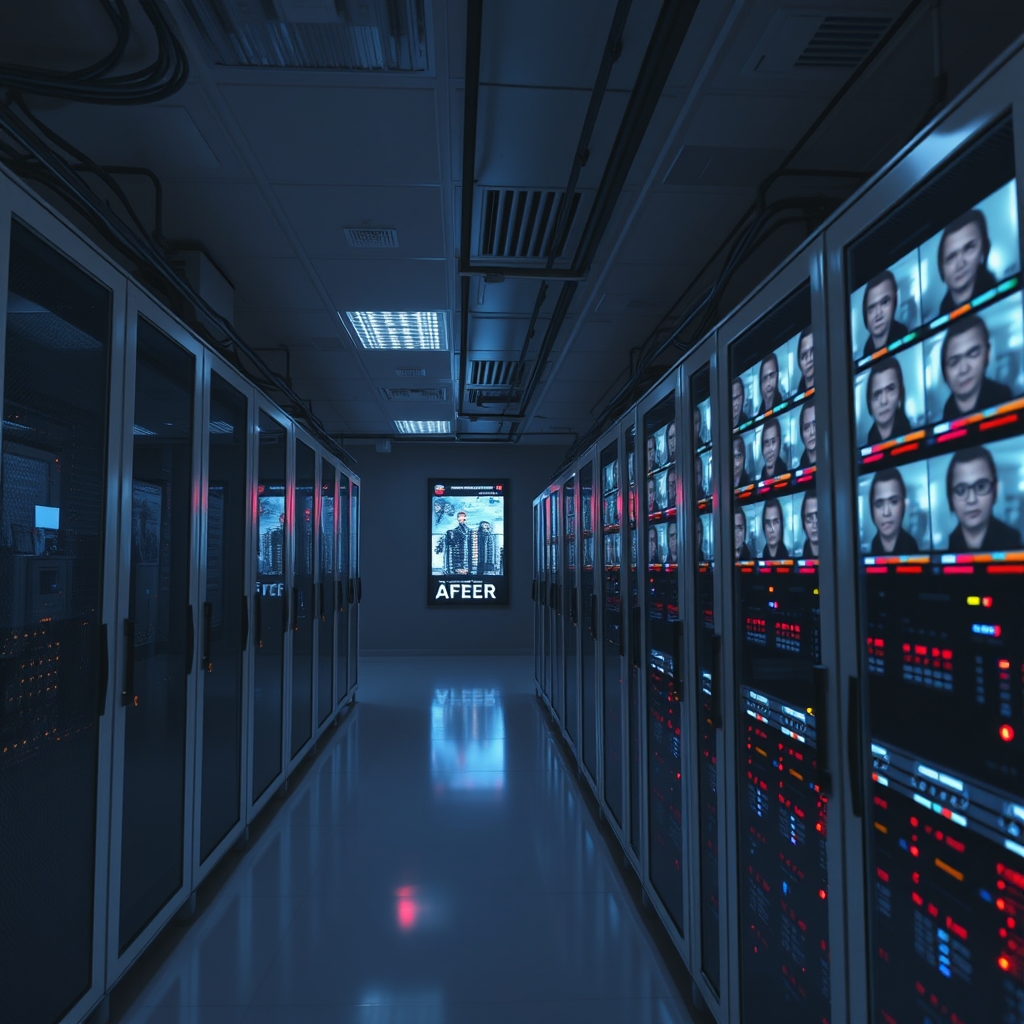
A recent Department of Homeland Security document has revealed plans to provide local police departments with facial recognition technology, expanding the scope of Immigration and Customs Enforcement surveillance. The move is part of a broader trend of federal biometric policing expansion, with the Secret Service currently testing a mobile facial recognition app called Sentry. This app allows officers to scan a person's face or fingerprints with a smartphone and compare the images against government databases, facilitating the identification of individuals and development of investigative leads.
The use of facial recognition technology is not limited to law enforcement, as Meta is testing facial recognition software on its smart glasses, which have been used by police and the military. This technology has raised concerns about its impact on marginalized groups, as it can track movement, misidentify people of color, and lead to wrongful arrests. Furthermore, the use of faceprints without consent poses risks for identity theft and cybersecurity. In Kansas City, Missouri, officials are preparing to equip public buses with facial recognition cameras, capable of detecting whether a passenger appears on a list of banned riders or missing persons, sparking debate over security and privacy.
The proposal to install facial recognition software on public transit buses in Kansas City has drawn concern from privacy advocates, who argue that the technology is an invasion of citizens' right to privacy. The city's plan to upgrade Wi-Fi routers to support the cameras and a new fare collection system has been delayed due to technical and financial issues, including a lack of state government funding. The delay has highlighted the challenges that U.S. cities often encounter when seeking to deploy facial recognition technology. As of June 18, 2026, the Department of Homeland Security has not disclosed the exact cost of providing local police departments with facial recognition technology, but it is expected to be a significant investment.
The expansion of facial recognition technology has significant implications for civil liberties, as it enables law enforcement agencies to track and monitor individuals without their consent. The use of this technology on public buses and in other public spaces raises concerns about the potential for abuse and the impact on marginalized communities. As the use of facial recognition technology continues to grow, it is essential to consider the potential consequences and ensure that adequate safeguards are in place to protect citizens' rights. The testing of the Sentry app by the Secret Service and the proposal to install facial recognition software on public buses in Kansas City are just two examples of the expanding use of this technology, and it is likely that its use will continue to grow in the coming years.
As I watch facial recognition technology expand, I'm concerned about the erosion of personal privacy. My thesis is that without stricter regulations, this technology will continue to infringe upon our rights. If nothing changes, corporations and governments will be the ones who win, having unparalleled access to our personal information and the ability to track our every move. They will use this data to manipulate and control, further solidifying their power and influence. Meanwhile, individuals will be left with little to no control over their own identities and autonomy. It's imperative that we take a stand and demand accountability.
Cross-reference independently — do not take our word for it.
Disclosure: NewsAnarchist uses AI-assisted reporting with web search. Always verify primary sources linked above.