Sudan Assault Looms
Sudan's Rapid Support Forces may imminently escalate assault on al-Obeid, threatening large-scale atrocities

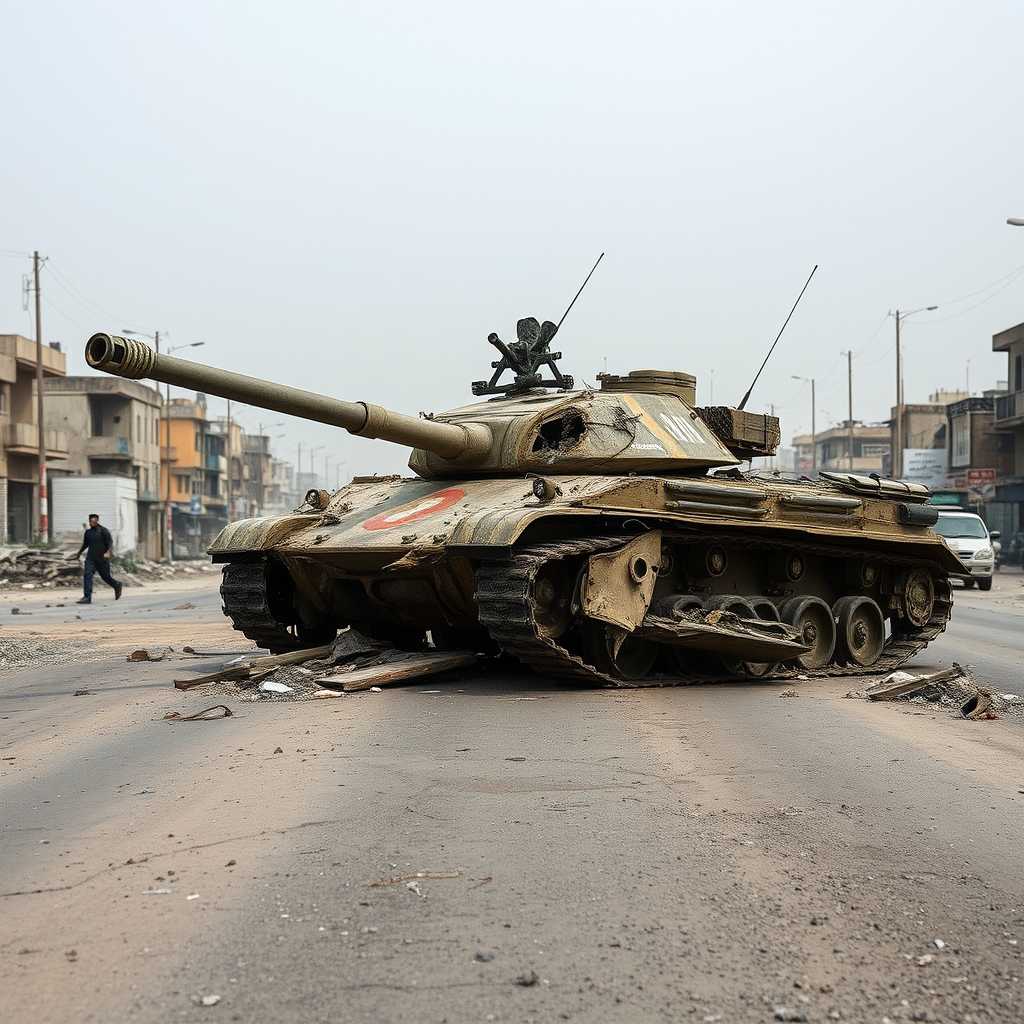
Dozens of countries, including Britain, are warning that Sudan's paramilitary Rapid Support Forces could imminently escalate an assault on the central Sudanese city of al-Obeid, possibly resulting in large-scale atrocities. The United Nations' top human rights official, Volker Turk, has issued an urgent warning that an imminent offensive against El Obeid, the capital of Sudan's North Kordofan state, carries the risk of serious international crimes and threatens to deepen an already catastrophic humanitarian crisis.
The situation in Sudan has been deteriorating for months, with reports of violence and displacement on the rise. The Keane Center, a research institution that produces open-source intelligence on ongoing conflicts, has been monitoring the situation closely and has proposed policy options to mitigate the crisis. According to reports, the conflict in Sudan has already resulted in the displacement of thousands of people, with many more at risk of being affected by the impending assault. The international community is calling for calm and restraint, with the United States Department of State designating the Muslim Brotherhood branch in Sudan as a terrorist organization.
The potential consequences of an assault on al-Obeid are dire, with warnings of large-scale atrocities and a deepening humanitarian crisis. The city is home to hundreds of thousands of people, many of whom are already vulnerable due to poverty and lack of access to basic services. The UN has warned that an assault on the city could result in significant loss of life and displacement, with long-term consequences for the region. The situation is further complicated by the presence of other armed groups in the area, including militant organizations with ties to Iran. The ongoing conflict in the region has already disrupted navigation of ships near the Strait of Hormuz, with reports of GPS jamming of uncertain origin.
The economic consequences of the conflict are also significant, with the potential for disruption to oil supplies and trade. The Strait of Hormuz is a critical waterway for oil tankers, and any disruption to navigation could have disastrous results for the global economy. The United States and its allies are monitoring the situation closely, with a focus on identifying strategic risks and opportunities. The situation in Sudan is complex and multifaceted, with a range of factors contributing to the conflict. The international community is calling for a peaceful resolution to the crisis, with a focus on protecting civilians and preventing further violence.
As the situation in Sudan continues to deteriorate, the international community is bracing for the worst. The warning from the UN's top human rights official has raised concerns about the potential for serious international crimes, and the need for urgent action to prevent further violence. The conflict in Sudan is a reminder of the ongoing instability in the region, and the need for sustained international attention and engagement. With the potential for large-scale atrocities and a deepening humanitarian crisis, the situation in Sudan demands a swift and decisive response from the international community.
As I reflect on the situation in Sudan, I firmly believe that immediate action is necessary to prevent a catastrophic assault. The current instability and violence threaten the lives of innocent civilians, and it is our responsibility to act. If nothing changes, the true winners will be the warlords and extremist groups who thrive on chaos and destruction. They will continue to exploit the power vacuum, further destabilizing the region and perpetuating human suffering. It is imperative that the international community intervenes to support a peaceful resolution and protect the Sudanese people from impending doom.
Cross-reference independently — do not take our word for it.
Disclosure: NewsAnarchist uses AI-assisted reporting with web search. Always verify primary sources linked above.