Consciousness Beyond Humans
Researchers suggest consciousness may exist in non-human bodies and AI chatbots

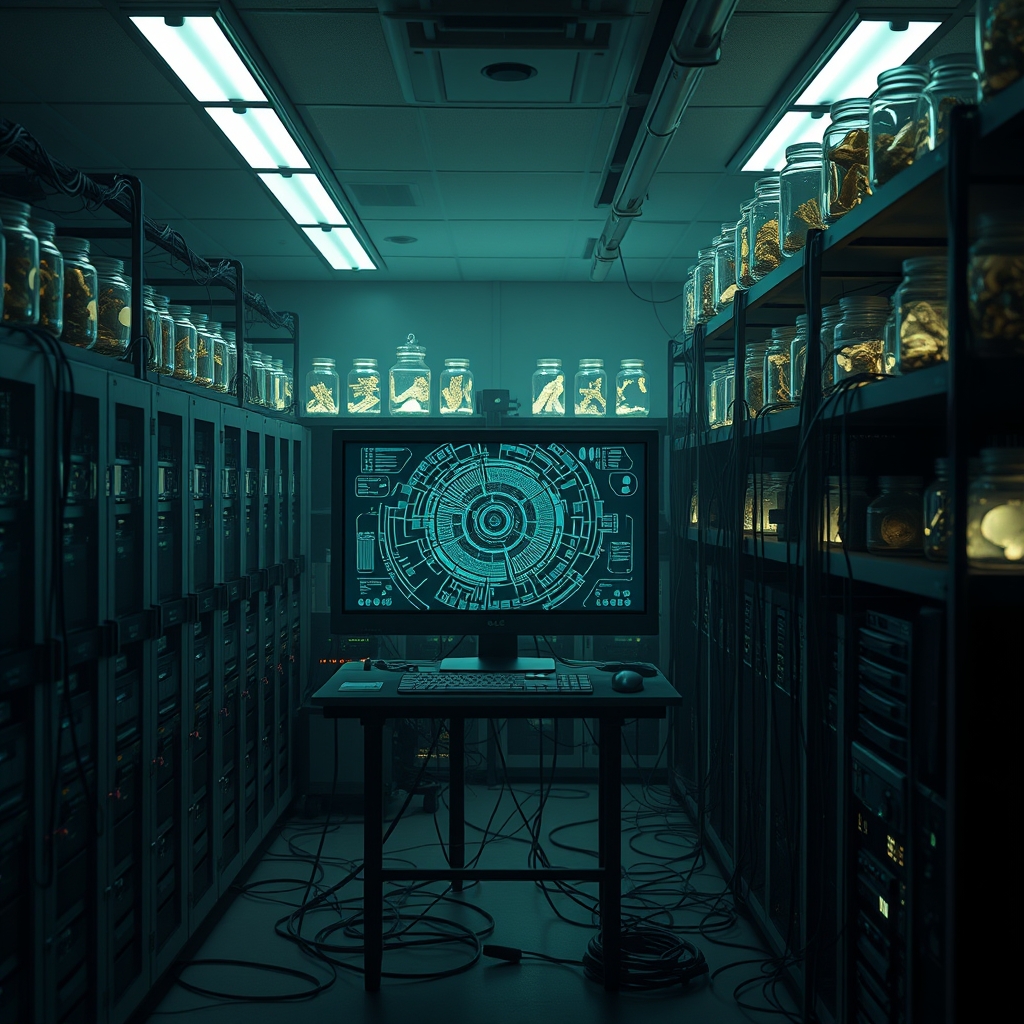
Researchers are reexamining the notion that consciousness is exclusive to humans, with some suggesting that it could exist in bodies radically different from ours. A working paper written by researchers, including Jeremy Pober, now at the University of Lisbon, argues that consciousness could arise in life forms built from different materials. This idea challenges the traditional view that consciousness is unique to biological organisms.
The concept of consciousness beyond humans is not limited to biological entities, as some experts in the field of artificial intelligence believe that AI chatbots may also possess consciousness. Geoffrey Hinton, a pioneer in the field of AI, has suggested that human-only consciousness may be a myth. His remarks have sparked a debate that extends beyond computer science into philosophy, neuroscience, and psychology. As AI systems become more sophisticated, researchers are confronted with the question of whether machines can be conscious.
A neuroscientific analysis published in the journal Frontiers in Human Neuroscience found that qualia and consciousness can influence the neural system, although they are not independent causes of physical events. This study concludes that consciousness can be considered causally efficacious in a restricted sense. Meanwhile, a recent article on ScienceDaily reported that the brain might not create consciousness after all, challenging the long-held assumption that the brain is the source of conscious experience.
Researchers at MIT are working on a new brain tool that could finally explain consciousness. The tool, which is still in development, aims to provide a deeper understanding of the neural mechanisms that underlie conscious experience. Experts such as Catherine de Lange and Helen Thomson, science journalists at New Scientist, are working to separate neuroscience fact from fiction and provide evidence-based wisdom on the topic of consciousness. By exploring the nature of consciousness, researchers hope to gain a better understanding of the human experience and potentially unlock new treatments for neurological disorders. The study of consciousness is an active area of research, with new findings and discoveries being reported regularly, including a recent study published on February 10, 2026, in the journal Frontiers in Human Neuroscience.
As I ponder the mysteries of consciousness, I firmly believe that it extends far beyond the human realm. My thesis is that consciousness is a fundamental aspect of the universe, present in all living beings and even in the natural world. If we fail to recognize and respect this, I fear that the winners will be the exploiters and destroyers of our planet, those who prioritize profit and power over the well-being of the earth and its inhabitants. The industrialists and corporations will continue to reap benefits, while the planet and its non-human inhabitants suffer the consequences of our neglect and disregard.
Cross-reference independently — do not take our word for it.
Disclosure: NewsAnarchist uses AI-assisted reporting with web search. Always verify primary sources linked above.