DHS Oversight Gaps
ICE detainee suffers from lack of oversight in immigration detention conditions

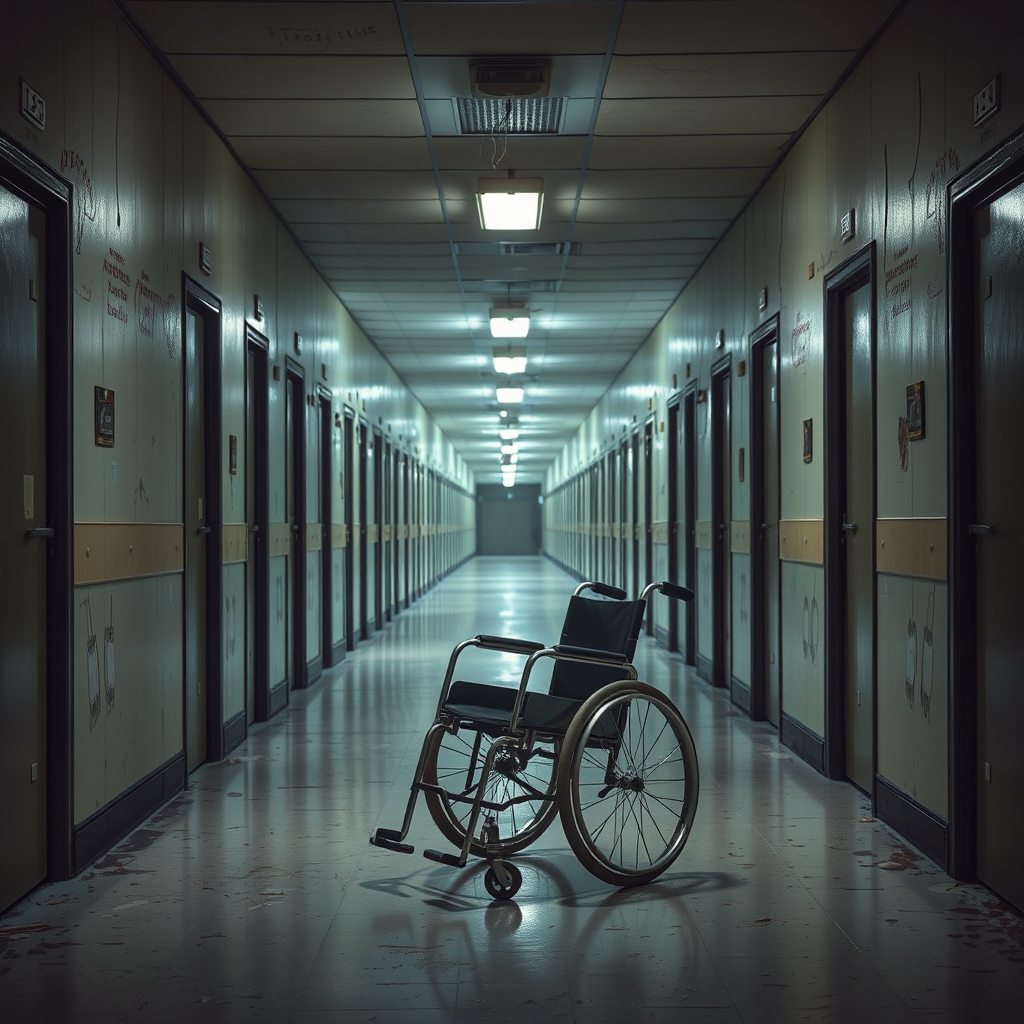
Recent congressional hearings have highlighted significant gaps in oversight within the Department of Homeland Security, particularly with regards to immigration detention conditions. On June 20, 2026, NPR reported the story of Richard, a detainee in Los Angeles who was shot by Immigration and Customs Enforcement agents, bringing attention to the lack of funding for internal oversight offices within the agency. These offices, responsible for investigating complaints about detention conditions, have been left unfunded, raising concerns about accountability and transparency.
The Senate Committee on Homeland Security and Governmental Affairs has held several hearings on the matter, with testimony from witnesses highlighting the need for increased oversight and funding for these internal offices. However, as of now, the transcripts of these hearings have not been published, and it may take several months or even years for them to be made available to the public. This lack of transparency and accountability has been criticized by lawmakers and advocacy groups, who argue that it allows abuses and misconduct to go unchecked.
The issue of oversight gaps within DHS is not new, and has been a topic of discussion among lawmakers and experts for several years. In 2022, the agency's budget allocated $1.5 billion for immigration detention facilities, but only $10 million for internal oversight and accountability measures. This significant disparity in funding has raised concerns about the agency's priorities and commitment to transparency and accountability. As Congress continues to debate the issue, lawmakers such as Senator Ron Johnson and Senator Gary Peters have called for increased funding and oversight measures to address these gaps and ensure that the agency is held accountable for its actions.
The lack of oversight and accountability within DHS has real-world consequences, as evidenced by the story of Richard, the detainee who was shot by ICE agents. His case highlights the need for robust oversight mechanisms to prevent abuses and ensure that those responsible are held accountable. As the debate over DHS oversight continues, lawmakers and advocacy groups will be closely watching to see if meaningful reforms are implemented to address these gaps and promote transparency and accountability within the agency. With the 2026 congressional session in full swing, lawmakers have allocated $2.5 billion for immigration detention facilities, but the funding for internal oversight offices remains unclear, sparking concerns among critics that the agency's priorities remain misplaced.
As I reflect on the current state of DHS oversight, I firmly believe that the existing gaps in oversight pose a significant threat to national security and accountability. My thesis is that without immediate reform, these gaps will continue to undermine the effectiveness of our national security apparatus. If nothing changes, the winners will be malicious actors, including terrorists and cyber attackers, who will exploit these vulnerabilities to wreak havoc on our country. They will be able to operate with relative impunity, putting American lives and interests at risk. It is imperative that we take action to address these gaps.
Cross-reference independently — do not take our word for it.
Disclosure: NewsAnarchist uses AI-assisted reporting with web search. Always verify primary sources linked above.
This article is produced by NewsAnarchist's AI reporting system, not a human staff reporter. It's built from the primary source cited above (a FOIA release, an agency's own policy or procurement document, court filings from surveillance litigation, or the wire reporting linked in the body) and reports what that source states, attributed to it — it does not allege intent behind a surveillance program beyond what the record shows. Part of our Surveillance State hub. Found an error? Tell us.