Facial Recognition Used
Police use facial recognition to track immigrants and surveil public gatherings

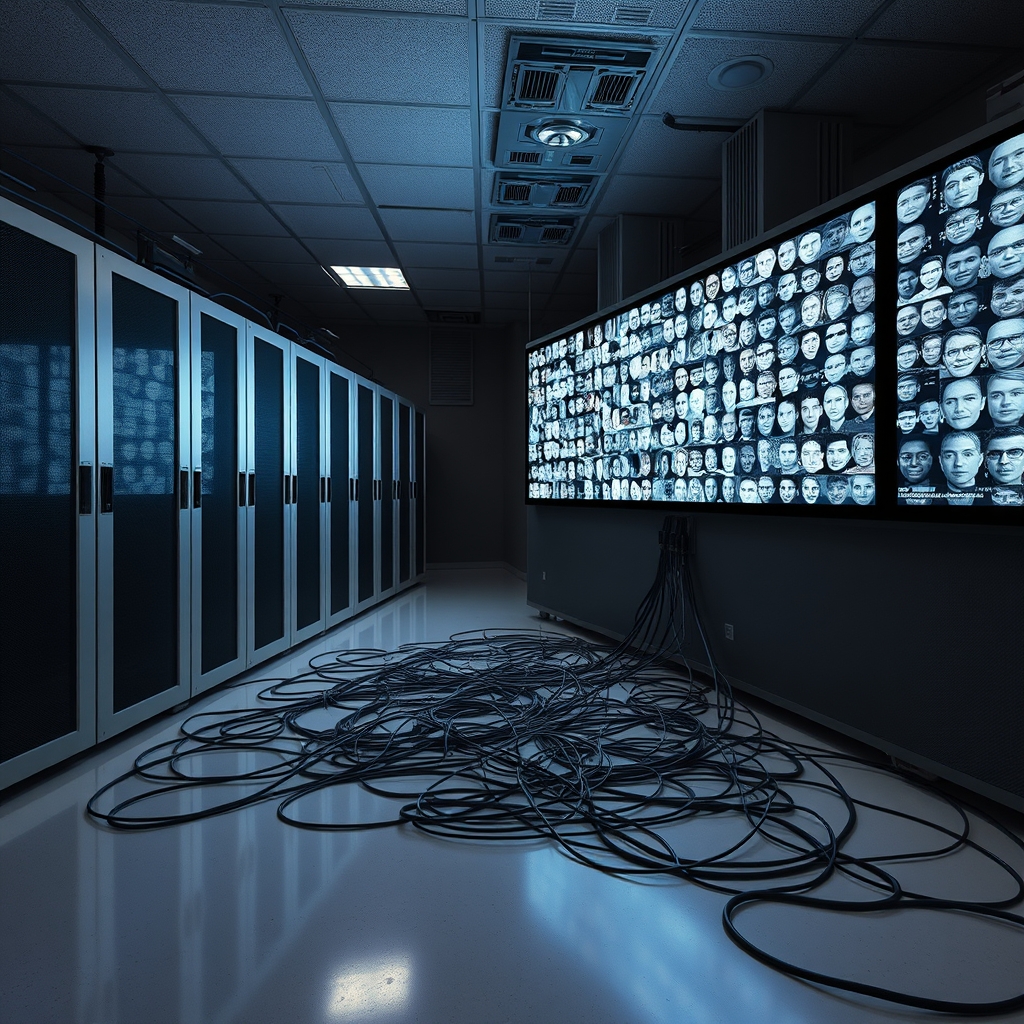
Facial recognition technology is being increasingly used by law enforcement agencies to identify individuals, including immigrants, in the field. According to a recent report by NPR, police are utilizing this technology to scan faces and match them with existing databases, raising concerns among privacy experts. The use of facial recognition by local police has sparked debate, with critics arguing that it could create a chilling effect on freedom of speech, as individuals may be hesitant to attend protests or express their opinions freely for fear of repercussions.
The Electronic Frontier Foundation, Access Now, and the American Civil Liberties Union are among the organizations that have spoken out against the normalization of surveillance and the restriction of freedom of speech. These groups have criticized online age verification laws, which have been implemented in various countries, for eliminating anonymous accounts and promoting a culture of surveillance. As of June 19, 2026, the use of facial recognition technology by law enforcement agencies has become a pressing concern, with many arguing that it infringes upon civil liberties.
The Department of Homeland Security has been at the forefront of implementing facial recognition technology, with a budget of over $1 billion allocated for surveillance and monitoring programs in 2026. Critics argue that this funding could be better spent on community development and social programs, rather than on invasive surveillance technologies. The ACLU has stated that the use of facial recognition technology by local police could lead to a significant erosion of trust between law enforcement and the communities they serve, particularly in marginalized communities.
As the use of facial recognition technology continues to expand, concerns about privacy and civil liberties are growing. On June 19, 2026, NPR reported that police are using facial recognition to identify immigrants in the field, sparking widespread criticism from privacy experts and civil rights organizations. The issue has sparked a national debate, with many calling for greater transparency and oversight of surveillance programs. With the use of facial recognition technology expected to continue growing, it remains to be seen how law enforcement agencies will balance the need for security with the need to protect individual privacy and civil liberties.
As I consider the increasing use of facial recognition, I firmly believe that our personal freedoms are at risk. My thesis is that the unchecked use of facial recognition technology poses a significant threat to individual privacy and autonomy. If nothing changes, I fear that corporations and governments will be the ones to win, gaining unparalleled access to our personal lives and exploiting this information for their own gain. They will reap the benefits of a surveillance state, while we, the citizens, will be left with a loss of control over our own identities and a diminished sense of security.
Cross-reference independently — do not take our word for it.
Disclosure: NewsAnarchist uses AI-assisted reporting with web search. Always verify primary sources linked above.
This article is produced by NewsAnarchist's AI reporting system, not a human staff reporter. It's built from the primary source cited above (a FOIA release, an agency's own policy or procurement document, court filings from surveillance litigation, or the wire reporting linked in the body) and reports what that source states, attributed to it — it does not allege intent behind a surveillance program beyond what the record shows. Part of our Surveillance State hub. Found an error? Tell us.