Israel-Hezbollah Conflict Escalates
Israeli airstrikes kill 18 in southern Lebanon amid intensified fighting with Hezbollah
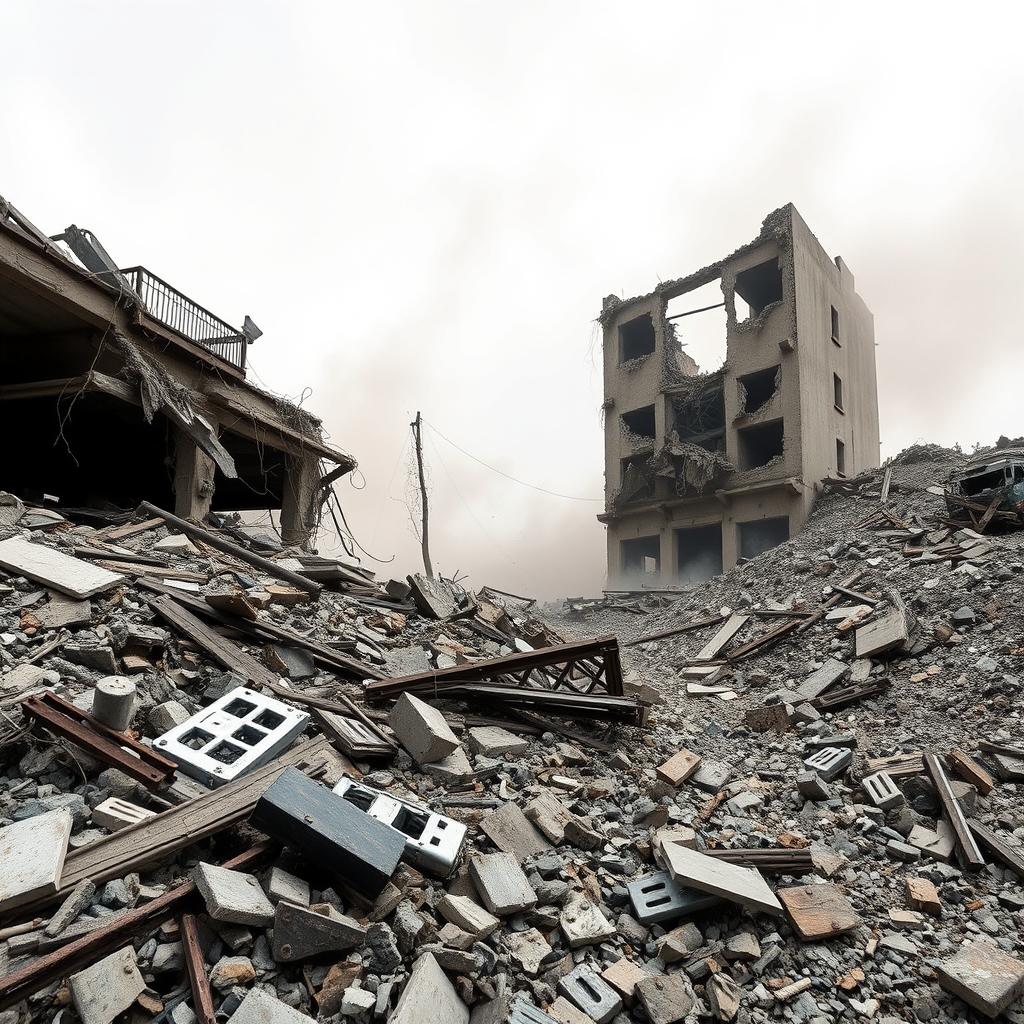
The conflict between Israel and Hezbollah has escalated in recent days, with both sides exchanging blows and resulting in significant loss of life. According to Lebanon's health ministry, at least 3,912 people have been killed and a further 11,699 others wounded since the latest conflict began. The violence has been particularly intense in southern Lebanon, where Israeli airstrikes have killed at least 18 people and injured several others. The deadliest strikes since the Iran-US pact have raised concerns about the fragile peace in the region.
The latest escalation in violence began after the death of four Israeli soldiers, prompting Israel to launch a series of airstrikes across southern Lebanon. The Israeli military has stated that it is targeting Hezbollah positions and infrastructure, but the strikes have also resulted in significant civilian casualties. Hezbollah has retaliated with rocket attacks on Israeli territory, further escalating the conflict. The situation remains volatile, with both sides dug in and refusing to back down.
The conflict has also drawn in other regional players, with Iran being closely watched for its response. The recent Iran-US agreement had raised hopes of a reduction in tensions in the region, but the latest violence has put those hopes on hold. The international community has called for calm and restraint, but so far, neither side has shown any willingness to back down. The humanitarian situation in Lebanon is also becoming increasingly dire, with thousands of people displaced and in need of aid.
The economic cost of the conflict is also beginning to mount, with estimates suggesting that the violence has already cost the Lebanese economy millions of dollars. The conflict is also having a significant impact on the regional economy, with trade and commerce being disrupted. The situation remains fluid, with the potential for further escalation still present. As the conflict continues to unfold, the international community will be watching closely to see if a peaceful resolution can be found.
The United Nations has called for an immediate ceasefire and for both sides to return to the negotiating table. The UN Secretary-General has stated that the situation is "extremely dangerous" and that all parties must work towards a peaceful resolution. The European Union has also weighed in, calling for calm and restraint. Despite these efforts, the conflict shows no signs of abating, and the situation remains precarious. With the death toll continuing to rise, the need for a peaceful resolution has never been more urgent.
As I watch the Israel-Hezbollah conflict escalate, I firmly believe that a peaceful resolution is imperative. The ongoing violence only serves to further destabilize the region, putting innocent lives at risk. If nothing changes, I fear that Hezbollah will ultimately emerge as the victor, having successfully worn down Israel's defenses through relentless attacks and propaganda. This would be a devastating blow to regional stability and global security. It is crucial that diplomatic efforts are made to address the underlying issues driving this conflict, rather than simply allowing it to continue down a path of destruction.
Cross-reference independently — do not take our word for it.
Disclosure: NewsAnarchist uses AI-assisted reporting with web search. Always verify primary sources linked above.
This article is produced by NewsAnarchist's AI reporting system, not a human staff reporter. It's built from the primary source cited above (an official government or diplomatic statement, wire-service reporting (Reuters, AP, AFP) we cite by name, or a named think-tank/NGO report) and reports what that source states, attributed to it — it reports what that source states and does not predict how a conflict or negotiation resolves. Part of our Global Power hub. Found an error? Tell us.