Sahel Region Under Attack
Jihadi groups intensify urban assaults in Africa's Sahel region

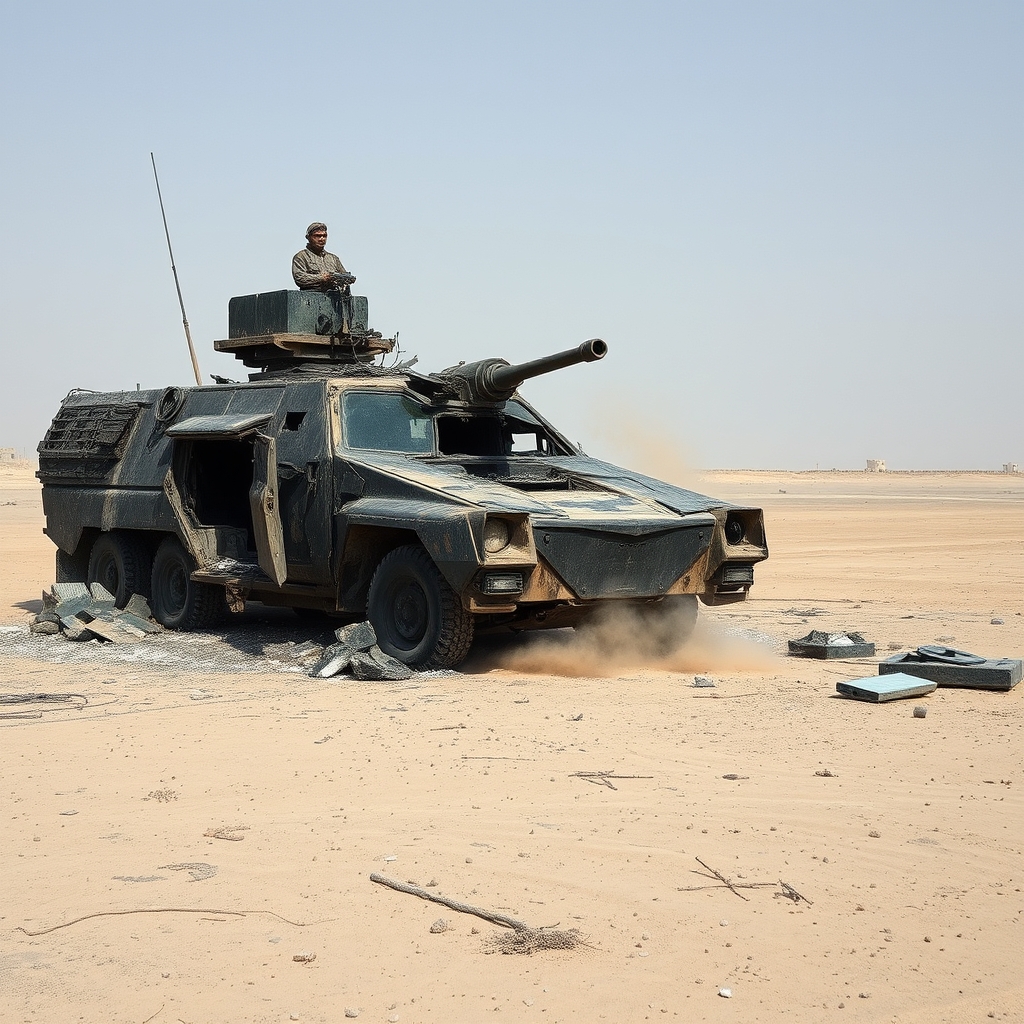
The Sahel region is under attack as jihadi groups step up their assaults on cities, with the latest incident being the gunfire and explosions that ripped through Niger's main international airport on June 20, 2026. Analysts say that armed groups are competing for influence and territories in the region, which spans across several countries in Africa, including Niger, Mali, and Burkina Faso. The attacks have raised concerns about the stability of the region and the ability of governments to protect their citizens.
According to reports, the Ivorian leadership is seeking to launch joint anti-terrorist operations with its neighbors, including Benin, which has seen regular militant raids despite the presence of French military contingents in the north. The move comes as the Sahel States Alliance has become increasingly critical of French security guarantees, which have been deemed empty words by some. On June 20, 2026, the official representative of the Russian Foreign Ministry, M.V. Zakharova, condemned the terrorist attack in Niger and expressed solidarity with its people and leadership, headed by President A.
The situation in the Sahel region has become increasingly dire, with coordinated jihadist operations targeting several countries, including Burkina Faso, Mali, and the Central African Republic. The attacks have prompted urgent regional evacuation protocols for international aid workers and travelers, with some estimates suggesting that the violence has displaced thousands of people and caused millions of dollars in damage. In fact, the United Nations has allocated $100 million to support humanitarian efforts in the region, which is facing a severe food crisis and other challenges.
Meanwhile, efforts to develop infrastructure in the region, including a railway project in Cameroon, have stalled due to security concerns. The project, which was signed into agreement on June 15, 2026, aims to construct a railway through the far north of Cameroon to Chad, which would provide a vital transportation link for the landlocked state. However, the ongoing violence has raised doubts about the feasibility of the project, which is estimated to cost $500 million.
Local networks are being seen as a key component of aid efforts in the region, with some experts arguing that they possess strategic significance extending beyond humanitarian outcomes. In Sudan, for example, mutual aid networks have been shown to be effective in delivering security and public goods, which has helped to build trust and stability in communities. Similarly, in the Sahel region, local networks could play a crucial role in supporting affected populations and promoting peace and stability. As one expert noted, "Counterinsurgency strategies have repeatedly shown that populations frequently support whoever delivers security and public goods most reliably," highlighting the importance of local networks in the region.
As I reflect on the Sahel Region Under Attack, I firmly believe that inaction will have devastating consequences. The Sahel region is on the brink of collapse due to rising terrorist activity and climate change. If nothing changes, extremist groups such as Al-Qaeda and the Islamic State will win, further destabilizing the region and threatening global security. These groups will continue to exploit the power vacuum, recruit disillusioned youth, and spread their ideology. It is imperative that the international community takes immediate action to address the root causes of the crisis and provide support to the affected countries, or else we risk losing the Sahel to terrorist forces.
Cross-reference independently — do not take our word for it.
Disclosure: NewsAnarchist uses AI-assisted reporting with web search. Always verify primary sources linked above.