FOIA Requests Reveal DHS Surveillance
Newly declassified documents show widespread domestic surveillance by DHS

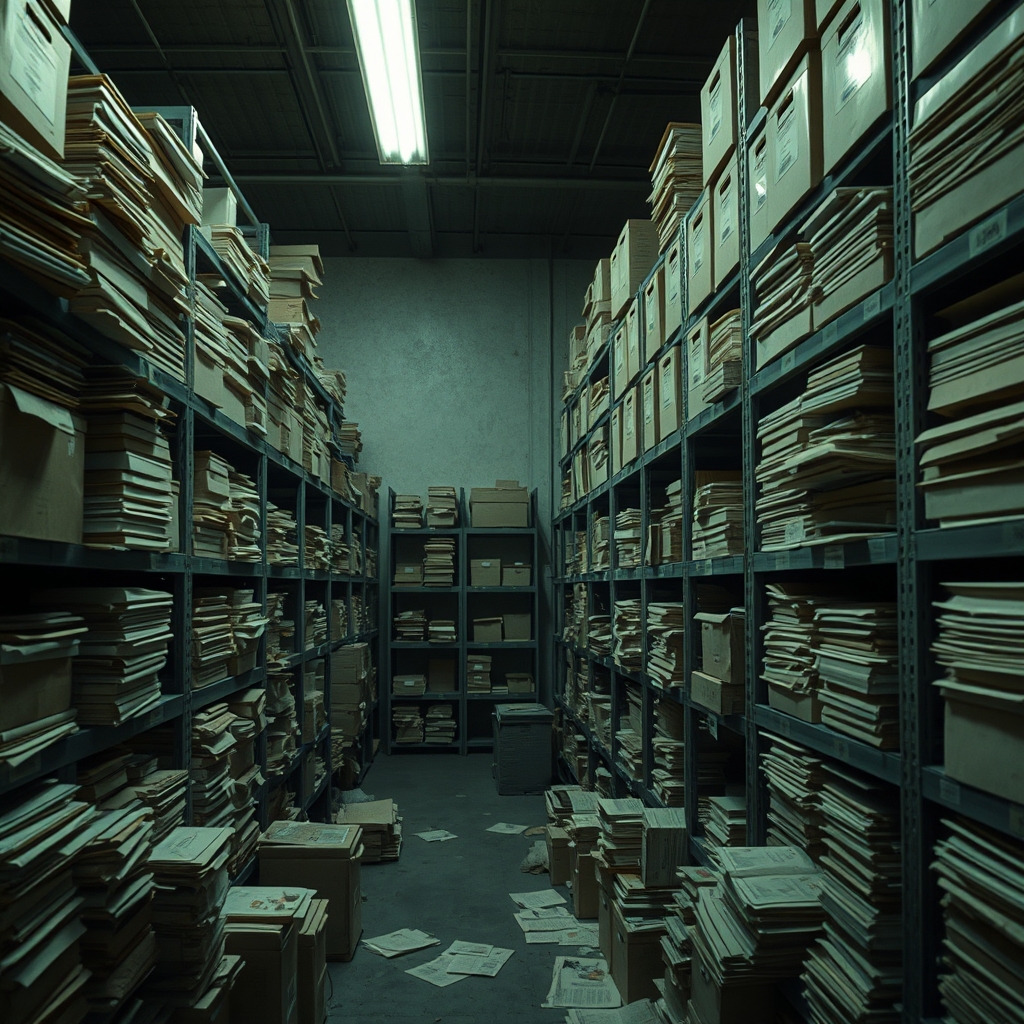
Recent Freedom of Information Act requests have shed light on the Department of Homeland Security's surveillance activities, revealing a pattern of secrecy and potential overreach. According to reports from US news from the Guardian, the DHS has been collecting data on American citizens, sparking concerns about privacy and civil liberties. This news comes on the heels of other high-profile cases, such as the controversy surrounding Dr. Anthony Fauci, which was recently detailed in the article Fauci Exposed Again, highlighting the need for greater transparency in government agencies.
The FOIA requests, filed by advocacy groups and journalists, sought information on the DHS's use of surveillance technology, including cell phone tracking and social media monitoring. The requests were met with resistance from the agency, which cited national security concerns and the need to protect sensitive information. However, as reported by thenationaldesk.com, the DHS has a history of withholding documents and information from the public, raising questions about the agency's commitment to transparency. In a similar case, the FBI was found to be withholding documents, as detailed in the article FBI Withholds Docs, further eroding trust in government agencies.
The surveillance activities revealed by the FOIA requests have sparked outrage among civil liberties groups, who argue that the DHS is overstepping its authority and infringing on the rights of American citizens. As reported by apnews.com, the DHS has spent millions of dollars on surveillance technology, including a $1.5 million contract with a private company to monitor social media activity. This excessive spending has led some to question the agency's priorities and whether the funds could be better allocated. The controversy surrounding Dr. Fauci, including the article Fauci Exposed, has also raised concerns about government accountability and the need for greater oversight.
The DHS has defended its surveillance activities, citing the need to protect national security and prevent terrorism. However, critics argue that the agency's actions are overly broad and lack sufficient oversight, potentially infringing on the rights of innocent Americans. As the debate over government surveillance continues, the FOIA requests have provided a rare glimpse into the secretive world of homeland security, highlighting the need for greater transparency and accountability. The public can stay informed about the latest developments in this story by following reputable news sources, such as US news from the Guardian, which provides in-depth coverage of US news and current events.
As I reflect on the recent FOIA requests revealing DHS surveillance, I firmly believe that our government's overreach is a threat to our civil liberties. The fact that our own government is secretly monitoring its citizens is alarming and unacceptable. If nothing changes, the winners will be government agencies and corporate interests that value control over individual freedom. They will continue to exploit loopholes and gather intimate information about our lives, eroding our trust and autonomy. It's imperative that we demand transparency and reform to protect our rights and prevent further intrusion into our private lives.
Cross-reference independently — do not take our word for it.
Disclosure: NewsAnarchist uses AI-assisted reporting with web search. Always verify primary sources linked above.
This article is produced by NewsAnarchist's AI reporting system, not a human staff reporter. It's built from the primary source cited above (a FOIA release, an agency's own policy or procurement document, court filings from surveillance litigation, or the wire reporting linked in the body) and reports what that source states, attributed to it — it does not allege intent behind a surveillance program beyond what the record shows. Part of our Surveillance State hub. Found an error? Tell us.