NEET 2026 Surveillance
India deploys over 1.38 lakh CCTVs for exam surveillance

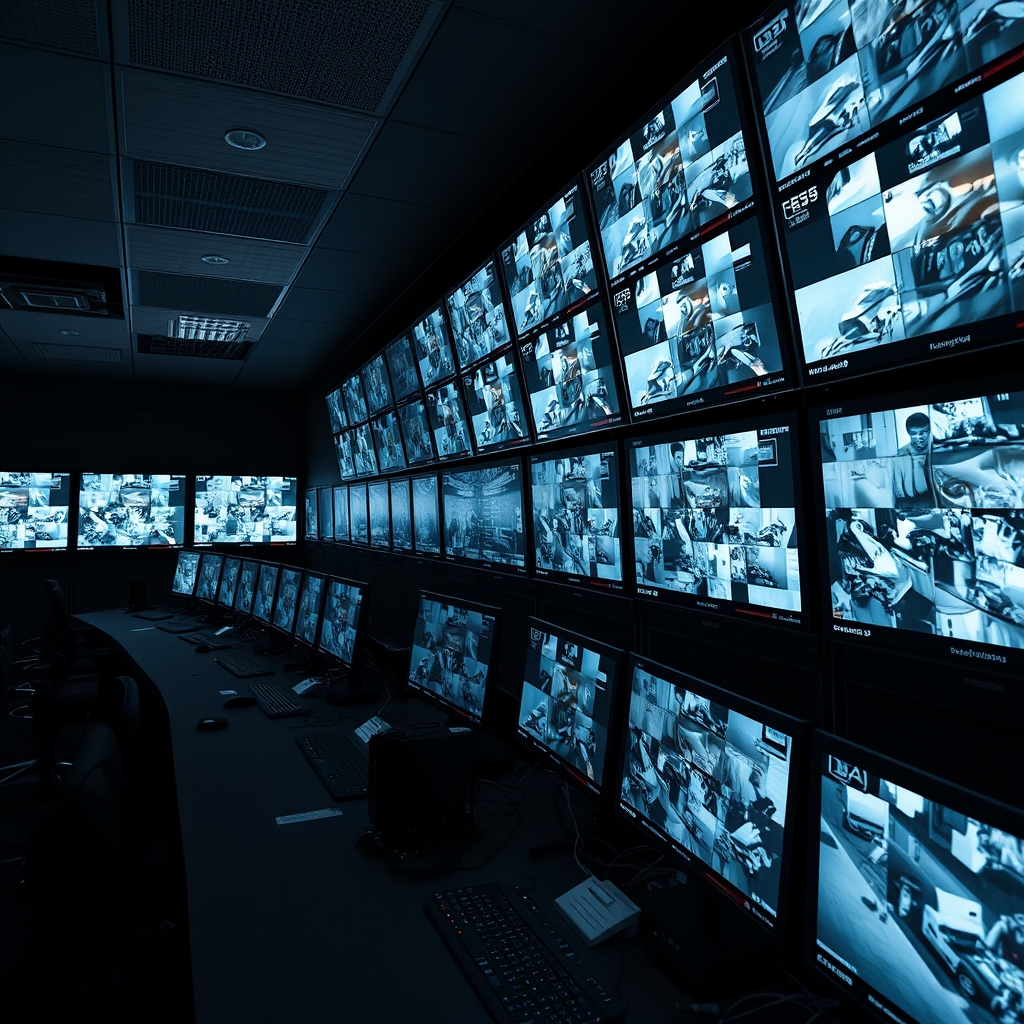
The National Testing Agency has taken extensive measures to prevent malpractice in the upcoming NEET UG re-exam 2026, deploying over 1.38 lakh CCTV cameras across 5,440 centres, as reported by news outlets covering the nationwide mock drill. This move is part of a broader effort to tighten security and ensure the integrity of the examination process. In addition to the CCTV cameras, the NTA has also deployed 51,000 jammers and implemented biometric verification to prevent lapses, according to details provided by India.com. The use of such surveillance measures has raised concerns about the potential for abuse of power and the impact on individual privacy.
Historically, whistleblowers have played a crucial role in exposing abuses of power and corruption, as seen in the list of whistleblowers who have come forward to shed light on wrongdoing in various fields. However, in the context of the NEET UG re-exam 2026, the focus is on preventing cheating and ensuring a fair examination process. The NTA's efforts to prevent malpractice are likely to be welcomed by students and parents who are concerned about the integrity of the examination process. Nevertheless, the use of extensive surveillance measures raises important questions about the balance between security and individual privacy.
The deployment of over 1.38 lakh CCTV cameras and 51,000 jammers is a significant investment in surveillance technology, and it remains to be seen how effective these measures will be in preventing malpractice. The NTA's decision to implement biometric verification is also a notable development, as it marks a new level of sophistication in the agency's efforts to prevent cheating. As the examination process gets underway, it will be important to monitor the effectiveness of these measures and to consider the potential implications for individual privacy and civil liberties.
As I reflect on the NEET 2026 surveillance, I strongly believe that the current measures are an overreach of student privacy. My thesis is that the excessive monitoring of students during the exam undermines their autonomy and creates unnecessary stress. If nothing changes, it is the testing authorities and private companies providing surveillance technology who win, as they get to maintain their grip on the exam process and profit from it. Meanwhile, students are left to suffer the consequences of a high-stakes, high-surveillance exam environment that prioritizes security over their well-being and dignity.
Cross-reference independently — do not take our word for it.
Disclosure: NewsAnarchist uses AI-assisted reporting with web search. Always verify primary sources linked above.