NEET UG Surveillance
India deploys over 1.38 lakh CCTVs for exam surveillance

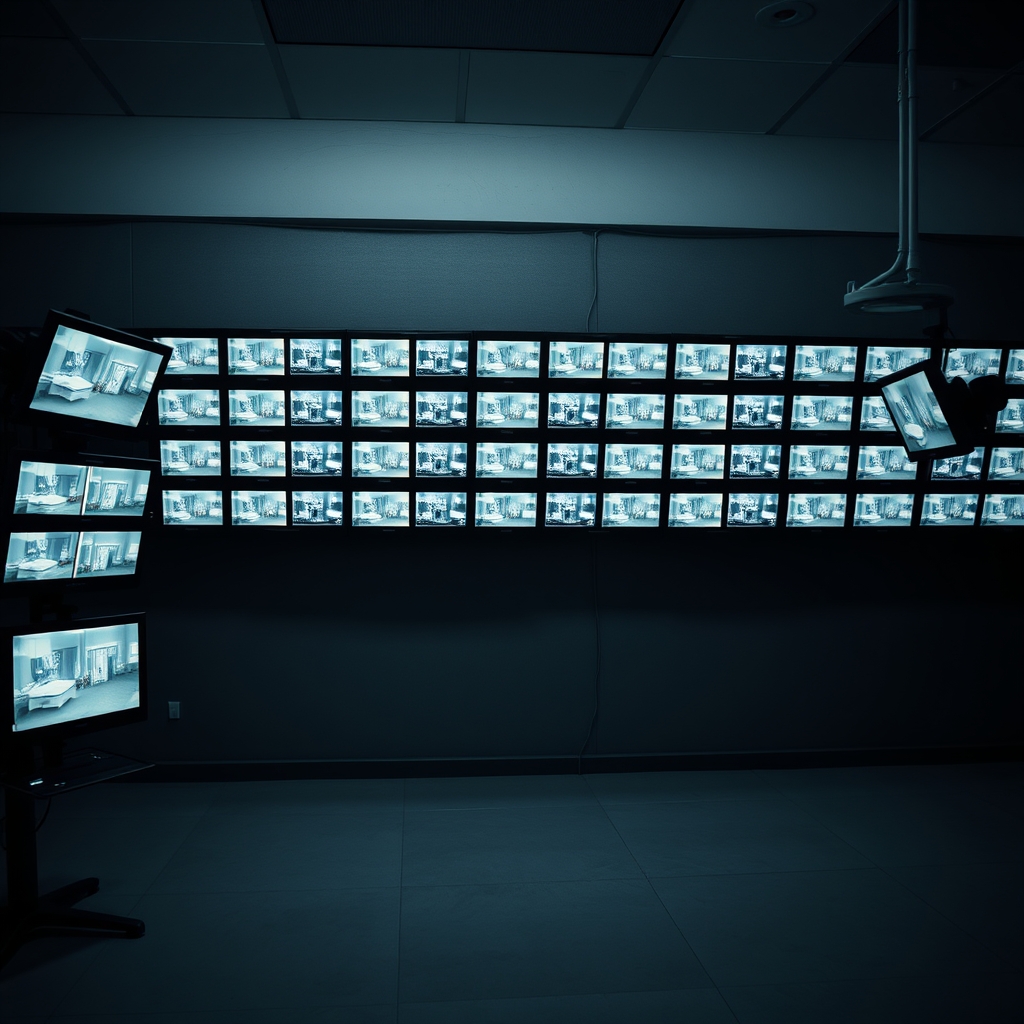
The National Testing Agency has taken extensive measures to prevent malpractice in the upcoming NEET UG re-exam, including the deployment of over 1.38 lakh CCTV cameras across 5,440 examination centres, as reported by news outlets covering the nationwide mock drill. This move is part of a broader effort to ensure the integrity of the examination process, which has been marred by instances of cheating and other forms of malpractice in the past. The use of CCTV cameras, jammers, and biometric verification is intended to prevent such lapses and ensure that the examination is conducted in a fair and transparent manner.
The deployment of such an extensive surveillance system has raised concerns about the potential for abuse of power and the impact on the privacy of examinees. Historically, whistleblowers have played a crucial role in exposing abuses of power and ensuring that those in positions of authority are held accountable for their actions. In the context of the NEET UG re-exam, the use of surveillance technology has been justified as a necessary measure to prevent cheating and ensure the integrity of the examination process. However, some have raised questions about the potential for this technology to be used in ways that infringe on the privacy of examinees, such as by monitoring their activities outside of the examination centre.
The NEET UG re-exam is scheduled to take place in June 2026, and the National Testing Agency has announced that it will be conducting a nationwide mock drill to test the preparedness of examination centres and the effectiveness of the surveillance system. The drill will involve the deployment of over 5,000 examination centres across the country, which will remain under CCTV surveillance, supported by extensive deployment of security staff. The use of such measures has been welcomed by many as a necessary step to prevent cheating and ensure the integrity of the examination process. However, others have raised concerns about the potential impact on the privacy of examinees and the need for greater transparency and accountability in the use of surveillance technology.
As I reflect on the NEET UG surveillance, I firmly believe that the current system is an overreach of authority. My thesis is that this level of monitoring is a threat to individual freedom and autonomy. If nothing changes, it's clear that the government and administrative bodies will be the winners, wielding increased control over students' personal lives. They will have access to sensitive information, allowing them to dictate every move, stifling creativity and independent thought. Meanwhile, students will be left with a lack of privacy and trust, ultimately losing out on a well-rounded educational experience.
Cross-reference independently — do not take our word for it.
Disclosure: NewsAnarchist uses AI-assisted reporting with web search. Always verify primary sources linked above.
This article is produced by NewsAnarchist's AI reporting system, not a human staff reporter. It's built from the primary source cited above (a FOIA release, an agency's own policy or procurement document, court filings from surveillance litigation, or the wire reporting linked in the body) and reports what that source states, attributed to it — it does not allege intent behind a surveillance program beyond what the record shows. Part of our Surveillance State hub. Found an error? Tell us.