MSG Targets Activist Faces
Madison Square Garden built a dossier on facial recognition critics, then got hacked, exposing its surveillance tactics

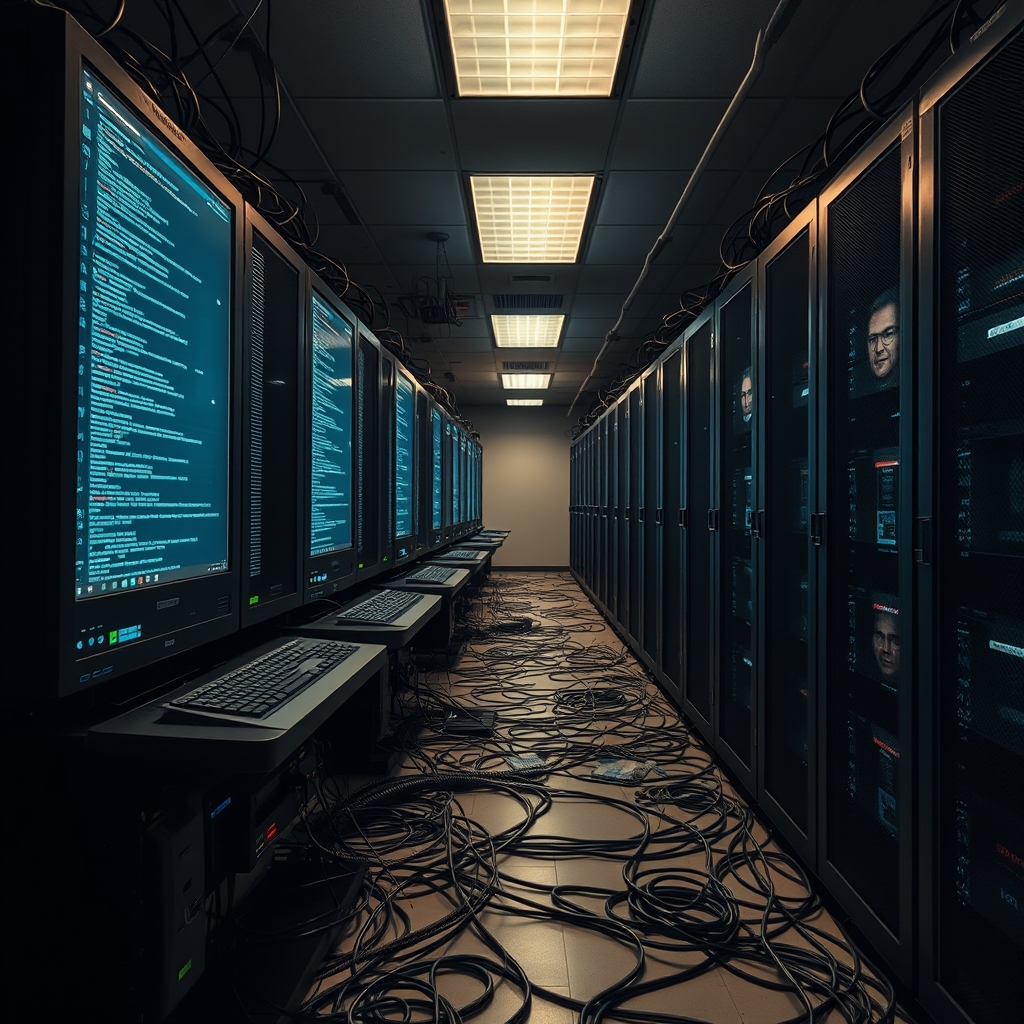
Recent revelations have surfaced regarding Madison Square Garden's efforts to target activist faces using facial recognition technology, sparking widespread concern among civil liberties advocates. As reported by facial recognition critics, the company has been compiling dossiers on individuals who have spoken out against the use of this technology, including three named privacy activists. This move has been criticized as an overreach of power and a potential infringement on the rights of individuals to express their opinions without fear of surveillance.
The use of live facial recognition technology is becoming increasingly prevalent, with the Metropolitan Police in London announcing plans to expand its use into central London by Christmas. This development has been met with opposition from some lawmakers, including Greens MP Brad Pettitt, who has described the technology as a "deeply concerning development" that poses a significant threat to individual privacy. Meanwhile, the NSA's loss of access to certain AI systems, as reported in the article NSA Loses AI Access, has raised questions about the role of artificial intelligence in surveillance and data collection.
The issue of facial recognition has also been linked to concerns about deepfakes and AI-powered fraud, which can be used to create highly convincing scams that target both private citizens and government officials. As lawmakers debate the merits of the Data Protection Bill, concerns about the potential for abuse of facial recognition technology are likely to play a significant role in the discussion. The expiration of the Foreign Intelligence Surveillance Act (FISA) has also sparked a bipartisan debate about the balance between national security and individual privacy, with some arguing that the use of facial recognition technology is a necessary tool in the fight against crime, while others see it as a threat to civil liberties.
As I reflect on the issue of MSG targeting activist faces, I firmly believe that this practice is a blatant attempt to silence dissenting voices. My thesis is that the use of facial recognition technology to identify and target activists is a gross infringement on their right to free speech and assembly. If nothing changes, it is clear that the powerful and well-connected, such as corporate interests and government agencies, will be the winners, while activists and marginalized communities will be further marginalized and oppressed. This is unacceptable and it is imperative that we take a stand against this erosion of civil liberties.
Cross-reference independently — do not take our word for it.
Disclosure: NewsAnarchist uses AI-assisted reporting with web search. Always verify primary sources linked above.