Hormuz Strait Traffic Surges
Commercial traffic through the Strait of Hormuz has increased following the US-Iran deal

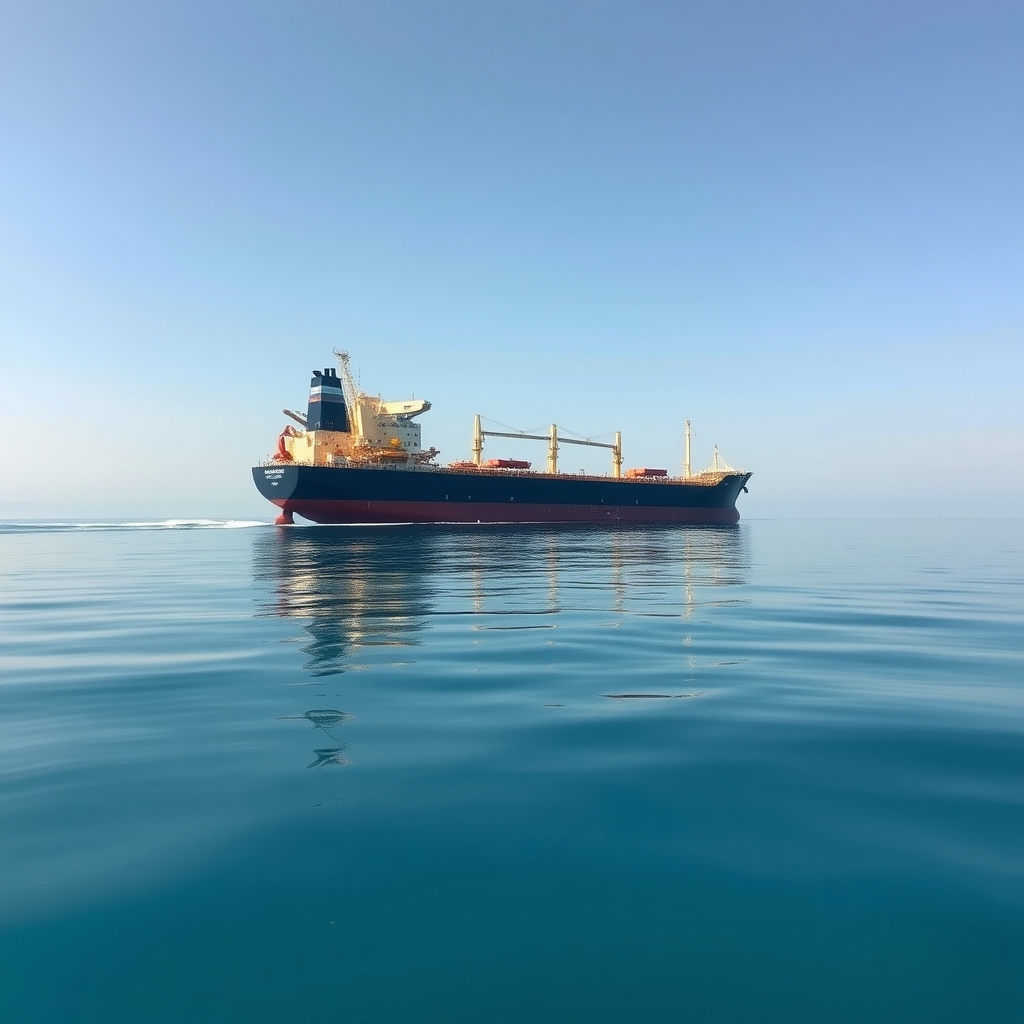
The surge in commercial traffic through the Strait of Hormuz has been a notable development in the aftermath of the US-Iran deal, with shipping vessels lining up off the Iranian port of Bandar Abbas, as reported by Radio Free Europe/Radio Liberty on June 18, 2026. This increase in traffic has significant implications for global trade and geopolitics, particularly in the context of the ongoing conflict in the region. The US-Iran deal, announced on June 11, 2026, has led to a temporary ceasefire, but the situation remains volatile, with Israeli bombardment of Lebanon occurring just hours after the ceasefire was announced, as noted in geopoliticalmonitor.com situation reports.
The Strait of Hormuz is a critical waterway, with approximately 20% of the world's oil passing through it, making it a strategic target in the conflict. The war with Iran has reshaped geopolitics across the region, with experts from the CSIS Geopolitics and Foreign Policy Department analyzing the implications of the conflict on Africa, Asia, Australia, and the Pacific, Europe, and the Middle East, as discussed in the latest analysis by Mark F. Cancian and Chris H. Park on June 23, 2026. The conflict has also led to a significant increase in oil prices, with some estimates suggesting a rise of over $10 per barrel, resulting in increased costs for consumers and businesses worldwide.
The US foreign policy towards Iran has been a subject of debate, with some critics arguing that the deal does not go far enough in addressing the country's nuclear program, while others see it as a necessary step towards reducing tensions in the region, as discussed in the Guardian. The situation is further complicated by the involvement of other countries, including Israel, which has been engaged in a series of airstrikes against Iranian targets in Lebanon, as reported on June 18, 2026. Meanwhile, China has been expanding its economic influence in the region, with some analysts suggesting that it may be seeking to capitalize on the instability caused by the conflict, as seen in the recent move by China to seize market share in the region. This has led to concerns about the potential for China to target US firms operating in the area, further complicating the geopolitical landscape. The International Criminal Court's recent decision to sue Trump has also added to the complexity of the situation, highlighting the need for a nuanced understanding of the interconnected nature of global politics.
As I reflect on the recent surge in Hormuz Strait traffic, I firmly believe that the current state of affairs is unsustainable. My thesis is that the lack of effective traffic management and infrastructure in the Hormuz Strait will lead to catastrophic consequences if left unaddressed. The winners in this scenario are the insurance companies and emergency response teams that will reap the benefits of increased premiums and salvage operations. However, it is the shipping companies, global trade, and ultimately the environment that will suffer the most. It is imperative that we take immediate action to mitigate this crisis.
Cross-reference independently — do not take our word for it.
Disclosure: NewsAnarchist uses AI-assisted reporting with web search. Always verify primary sources linked above.
This article is produced by NewsAnarchist's AI reporting system, not a human staff reporter. It's built from the primary source cited above (a declassified document, a FOIA release, an inspector general or congressional report, or a named whistleblower disclosure reported by outlets we cite) and reports what that source states, attributed to it — it reports what the document or disclosure states and does not speculate about what remains classified beyond that. Part of our Government Secrets hub. Found an error? Tell us.