ICE Surveillance Expansion
A new report reveals ICE's growing arsenal of hi-tech surveillance tools, including over 10 AI-enabled facial recognition tools, raising concerns about consent and warrantless surveillance

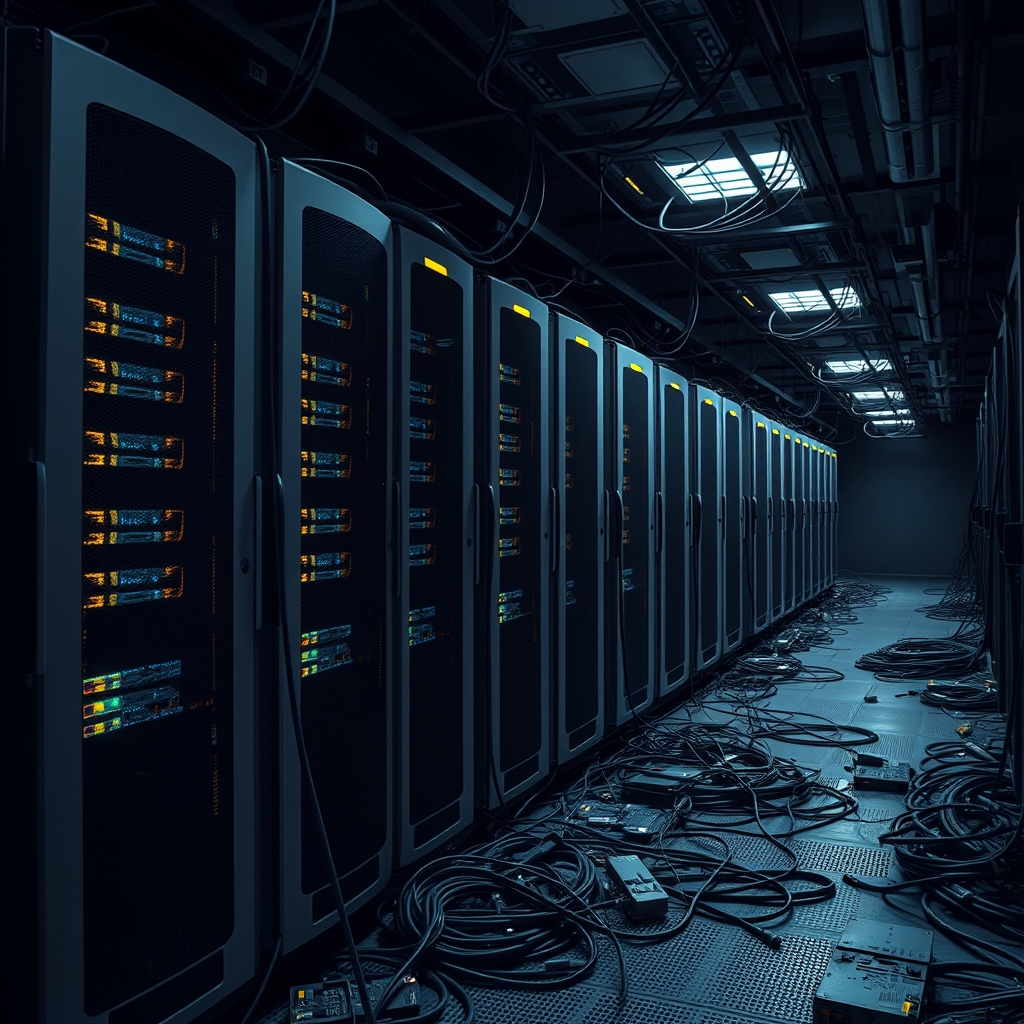
The expansion of ICE surveillance capabilities has raised significant concerns among civil liberties advocates, as the agency has been found to be utilizing a range of hi-tech tools, including over 10 AI-enabled facial recognition tools, as reported by the latest news on ICE's tech surveillance arsenal. This development has sparked debate about the potential for abuse of these technologies, particularly in the context of street-level surveillance, where questions about consent and the need for warrants are paramount. The use of facial recognition systems, which are employed by governments and private companies around the world, has been shown to be problematic, with some systems being scrapped due to ineffectiveness.
The trend of expanding facial recognition use is not limited to ICE, as other law enforcement agencies, such as the Metropolitan Police Service in London, are also planning to deploy live facial recognition cameras in public areas, including the West End and Soho, by the end of the year, as noted in reports on the expansion of live facial recognition. This move has been met with criticism, with some arguing that the technology disproportionately surveils innocent individuals and can be discriminatory, particularly against black people. In contrast, some jurisdictions, such as Erie County, New York, have taken steps to limit the use of facial recognition, with County Executive Mark Poloncarz signing the Biometric Transparency and Privacy Act on May 26, which prohibits private businesses from collecting or using biometric identifier data. The implications of these developments are far-reaching, and as the US government continues to grapple with the use of AI, including recent moves to block certain AI models, it remains to be seen how the balance between security and individual privacy will be struck.
As the use of facial recognition technology continues to expand, with further expansion planned in various jurisdictions, concerns about the potential for abuse and the need for greater transparency and oversight are likely to grow. The fact that the NSA has lost access to certain AI capabilities may be seen as a positive development by some, but the broader trend of increasing reliance on surveillance technologies is likely to remain a contentious issue. As the debate over the use of these technologies continues, it is essential to consider the potential consequences for individual privacy and civil liberties, and to ensure that any expansion of surveillance capabilities is subject to rigorous scrutiny and oversight.
As I consider the ICE surveillance expansion, I firmly believe that it poses a significant threat to individual freedoms and privacy. My thesis is that this expansion will have far-reaching and devastating consequences for marginalized communities. If nothing changes, it is clear that the winners will be the government agencies and private corporations that stand to profit from the increased surveillance and data collection. They will gain unprecedented power and control over people's lives, while the rest of us will be left to navigate a surveillance state that erodes our civil liberties and undermines our trust in institutions.
Cross-reference independently — do not take our word for it.
Disclosure: NewsAnarchist uses AI-assisted reporting with web search. Always verify primary sources linked above.