California 3D Printer Surveillance
California's proposed 3D printer surveillance scheme may still be stopped despite recent amendments

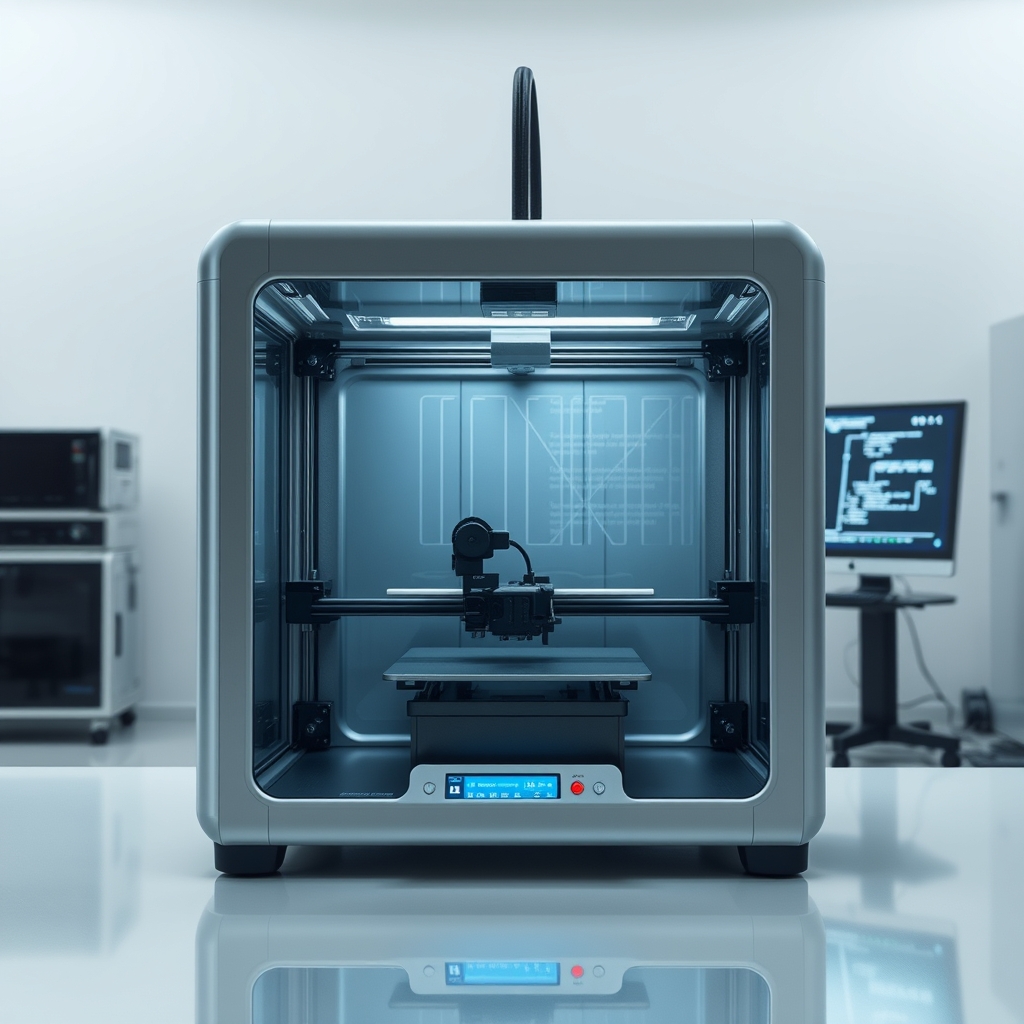
The state of California is currently considering a bill that would implement a surveillance scheme for 3D printers, sparking concerns about civil liberties and privacy. According to the Electronic Frontier Foundation, a nonprofit organization that deals with civil liberties, this scheme would require all prints to be surveilled, which could lead to a normalization of surveillance and restriction of freedom of speech, as seen in other countries with online age verification laws. The bill has been met with opposition from various groups, including the EFF, which has argued that it would be ineffective and infringe on individuals' right to freedom of expression, a principle that supports the freedom of an individual or a community to articulate their opinions and ideas without fear of retaliation, censorship, or legal sanction.
As reported in recent news, the ATF cancels phone tracker due to privacy concerns, highlighting the need for lawmakers to act now to prevent invasive surveillance technologies. In California, the proposed 3D printer surveillance scheme has been criticized for its potential to be used as a tool of mass surveillance, similar to automated license plate readers, which can be weaponized against immigrants, political dissidents, and other targets, as noted by the Electronic Frontier Foundation. The scheme would also require 3D printer manufacturers to implement algorithms that would substantially reduce the likelihood of foreseeable circumvention attempts, which could lead to a cat-and-mouse game between manufacturers and users trying to evade surveillance.
The issue of surveillance and privacy is not unique to California, as other countries and states are also grappling with similar concerns, such as Kenya, which has recently linked its ID database to a national surveillance system. In the United States, the EFF has been at the forefront of advocating for civil liberties and privacy, including raising concerns about privacy issues with Google and pushing back against automated license plate readers. As the California legislature considers the 3D printer surveillance scheme, it is essential to weigh the potential benefits against the potential risks to civil liberties and privacy, and to consider the concerns of groups like the EFF, which has argued that the scheme could be stopped, as outlined in their report We Can Still Stop California’s 3D Printer Surveillance Scheme. Meanwhile, in Japan, there have been reports of 探偵に情報提供停止要請, highlighting the global nature of surveillance and privacy concerns.
As I consider the issue of California 3D printer surveillance, I firmly believe that the state's proposed measures to track and regulate 3D printed firearms and other items pose a significant threat to individual freedom and privacy. If nothing changes, I argue that the government and special interest groups will be the winners, as they will gain increased control over citizens' lives and activities. Meanwhile, law-abiding citizens will lose their autonomy and ability to innovate and create without undue scrutiny. It is imperative that we reexamine these measures and prioritize individual rights and freedoms.
Cross-reference independently — do not take our word for it.
Disclosure: NewsAnarchist uses AI-assisted reporting with web search. Always verify primary sources linked above.
This article is produced by NewsAnarchist's AI reporting system, not a human staff reporter. It's built from the primary source cited above (a FOIA release, an agency's own policy or procurement document, court filings from surveillance litigation, or the wire reporting linked in the body) and reports what that source states, attributed to it — it does not allege intent behind a surveillance program beyond what the record shows. Part of our Surveillance State hub. Found an error? Tell us.