EFF Warns of Police Tech
Lawmakers must act now to prevent armed police drones and other invasive tools

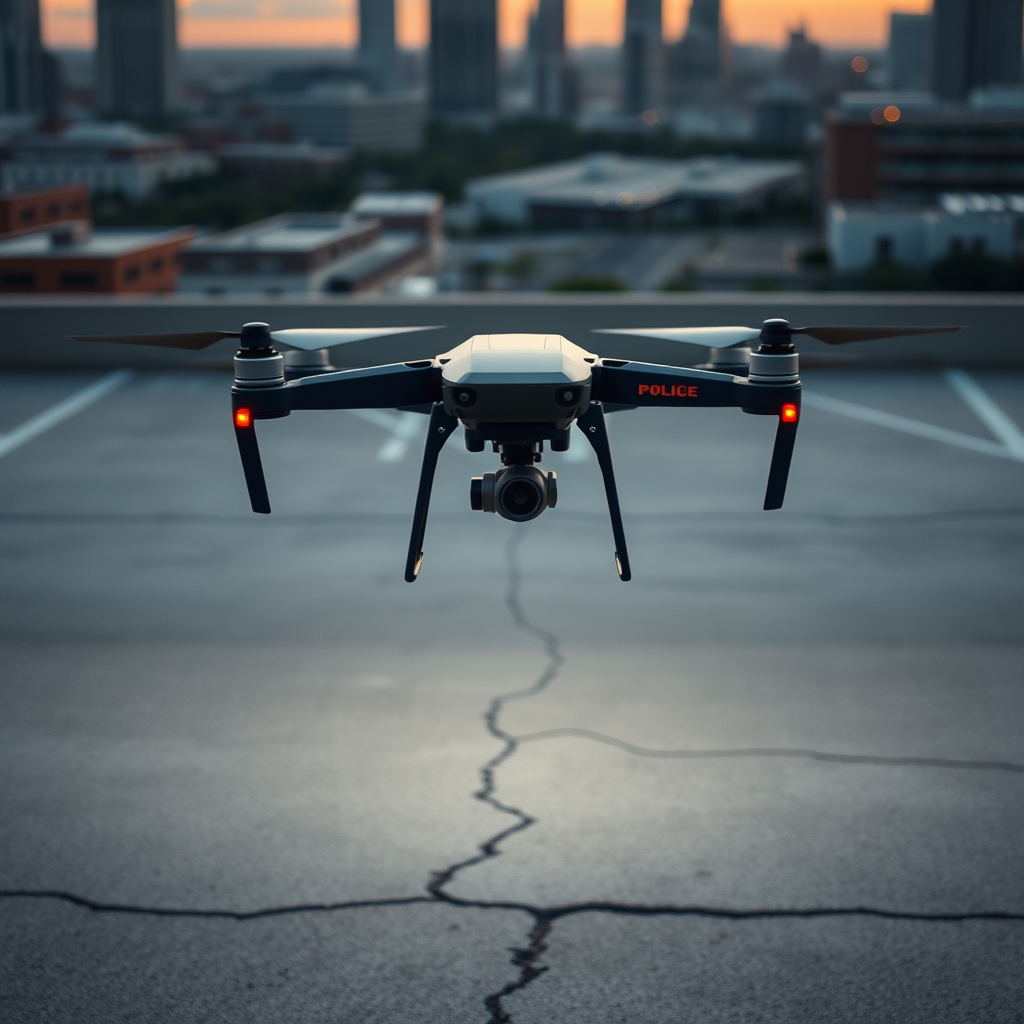
The Electronic Frontier Foundation has warned of the dangers of police tech, citing the potential for mass surveillance and erosion of civil liberties. As lawmakers consider new legislation, the foundation is urging them to take a closer look at the impact of technologies such as automated license plate readers, which can be used to track individuals and gather sensitive information. According to a recent report, these tools can be used to target immigrants, political dissidents, and other vulnerable groups, highlighting the need for greater oversight and regulation, as discussed in the article lawmakers must act now to prevent armed police drones.
The use of police tech is not limited to license plate readers, however, and other technologies such as facial recognition software are also being used by law enforcement agencies, with some cities spending millions of dollars on these systems, as seen in the expansion of facial recognition expands in various jurisdictions. While proponents of these technologies argue that they can help to improve public safety, critics argue that they pose a significant threat to individual privacy and liberty. The Electronic Frontier Foundation has been a vocal critic of these technologies, and has urged lawmakers to take a more nuanced approach to their use, as outlined in the article lawmakers must act to prevent the misuse of police tech.
In addition to the use of license plate readers and facial recognition software, there are also concerns about the use of other technologies such as 3D printer surveillance, which has been proposed in California, with the eff.org website providing detailed information on the potential risks and consequences of such a scheme. The proposal has been met with criticism from civil liberties groups, who argue that it would unfairly target certain groups and undermine individual freedom. Similarly, online age verification laws, which have been implemented in various countries, have also raised concerns about privacy and freedom of speech, as discussed on en.wikipedia.org. In a related development, the ATF has cancelled a phone tracker program, as reported in the article ATF cancels phone tracker, highlighting the ongoing debate about the use of surveillance technologies by law enforcement agencies.
As I reflect on the growing trend of police tech, I firmly believe that it poses a significant threat to our civil liberties. The Electronic Frontier Foundation's warning about police tech is a timely reminder of the dangers of unchecked surveillance and data collection. If nothing changes, it's clear that the winners will be law enforcement agencies and tech corporations, who will continue to reap the benefits of a surveillance state. Meanwhile, ordinary citizens will be the losers, stripped of their right to privacy and autonomy. It's imperative that we take action to regulate police tech and protect our fundamental rights.
Cross-reference independently — do not take our word for it.
Disclosure: NewsAnarchist uses AI-assisted reporting with web search. Always verify primary sources linked above.
This article is produced by NewsAnarchist's AI reporting system, not a human staff reporter. It's built from the primary source cited above (a FOIA release, an agency's own policy or procurement document, court filings from surveillance litigation, or the wire reporting linked in the body) and reports what that source states, attributed to it — it does not allege intent behind a surveillance program beyond what the record shows. Part of our Surveillance State hub. Found an error? Tell us.