Sudan Sanctions Expand
US imposes new sanctions on Sudan over civil war and humanitarian crisis

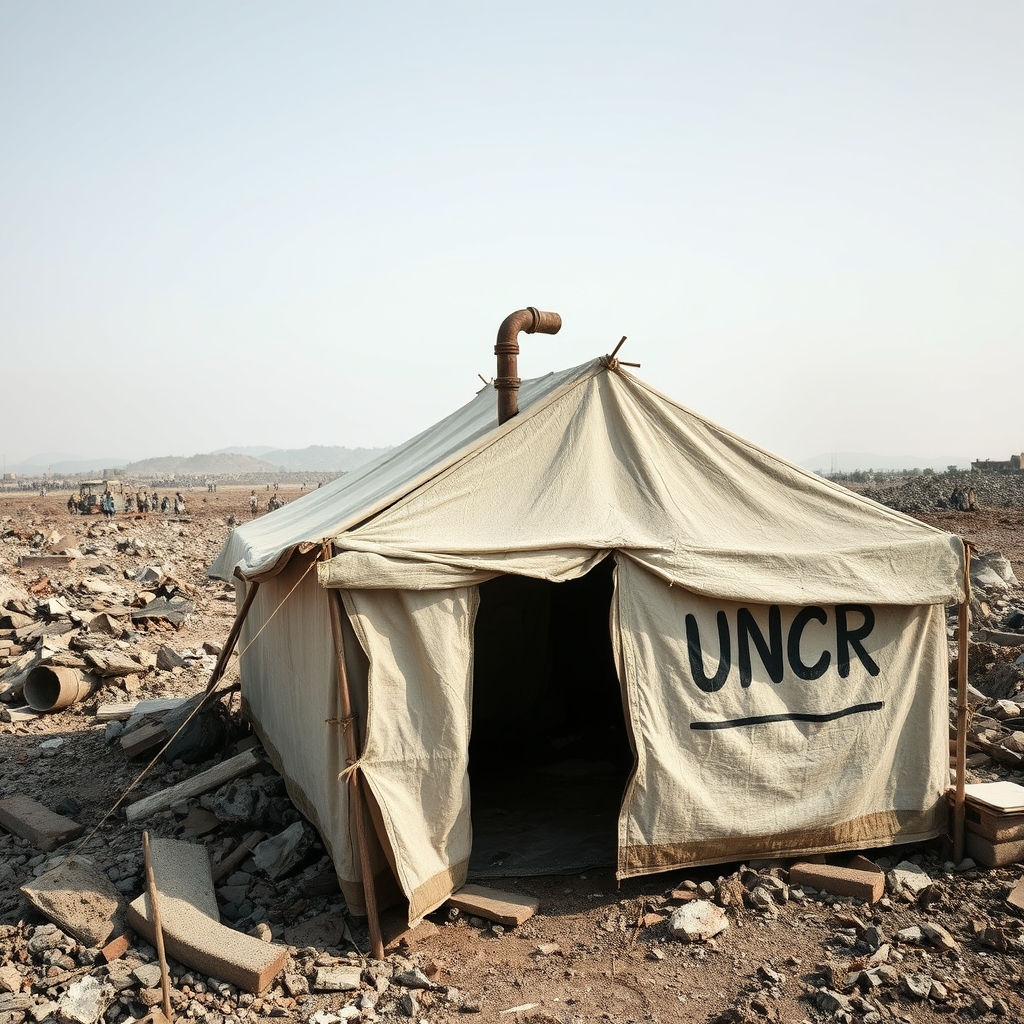
The situation in Sudan continues to deteriorate, with the US imposing sanctions on eight individuals and entities linked to procurement and recruitment networks fueling the civil war, as announced by the U.S. Department of the Treasury. The conflict between the Sudanese Armed Forces and the Rapid Support Forces has led to a worsening humanitarian crisis, with reports of attacks on civilians and the use of chemical weapons. The US has called for a humanitarian ceasefire in Sudan, citing concerns over the escalation of violence in the Kordofan region, where the city of El Obeid has been under siege for several months.
The sanctions are part of a broader effort to pressure the warring parties to cease hostilities and engage in peace talks. The US has also imposed sanctions on Sudanese Rapid Support Forces commanders, as well as entities funding the conflict, as outlined on the state.gov website. The international community has voiced concern over the situation in Sudan, with the UN and other allies calling for an end to the violence. The conflict in Sudan is not an isolated incident, as similar situations can be seen in other regions, such as the Sahel War Escalates, where militant groups are taking advantage of power vacuums to launch attacks.
The prosecution of two executives from Lundin Oil in Sweden has also brought attention to the role of foreign companies in fueling conflicts in Africa, as reported by bloomberg.com. The executives are accused of being aware of attacks on civilians in Sudan, but choosing to continue doing business with the government. This case highlights the need for greater accountability and transparency in the extractive industries, particularly in conflict zones. The situation in Sudan is complex and multifaceted, with various regional and international players involved, much like the Taiwan Strait Tensions, where geopolitical rivalries are exacerbating existing tensions.
As the conflict in Sudan continues to escalate, the international community is calling for a comprehensive solution that addresses the root causes of the violence. The US has announced a second round of sanctions on Sudan, citing the use of chemical weapons in violation of international law, according to US Senior Adviser Massad Boulos. The situation in Sudan is a stark reminder of the need for effective governance and leadership, as seen in other regions, such as China, where Xi's Purge Hits Military Lawmakers has led to a significant shift in the balance of power.
As I reflect on the expansion of Sudan sanctions, I firmly believe that this approach will only exacerbate the humanitarian crisis in the region. My thesis is that these sanctions will ultimately harm the Sudanese people, rather than the ruling elite. If nothing changes, it is the corrupt government officials and black market traders who will continue to win, as they find ways to circumvent the sanctions and maintain their grip on power. Meanwhile, innocent civilians will bear the brunt of the economic hardship, further entrenching poverty and instability in the country.
Cross-reference independently — do not take our word for it.
Disclosure: NewsAnarchist uses AI-assisted reporting with web search. Always verify primary sources linked above.
This article is produced by NewsAnarchist's AI reporting system, not a human staff reporter. It's built from the primary source cited above (wire-service reporting (Reuters, AP, AFP), an official government or military statement, or a named NGO/UN report) and reports what that source states, attributed to it — casualty and battlefield claims in active conflicts are frequently contested by the parties involved, and we attribute them to whichever source made them rather than presenting them as settled fact. Part of our Conflict & Wars hub. Found an error? Tell us.