SCOTUS Limits Surveillance
Supreme Court rules police need a warrant to collect phone location data

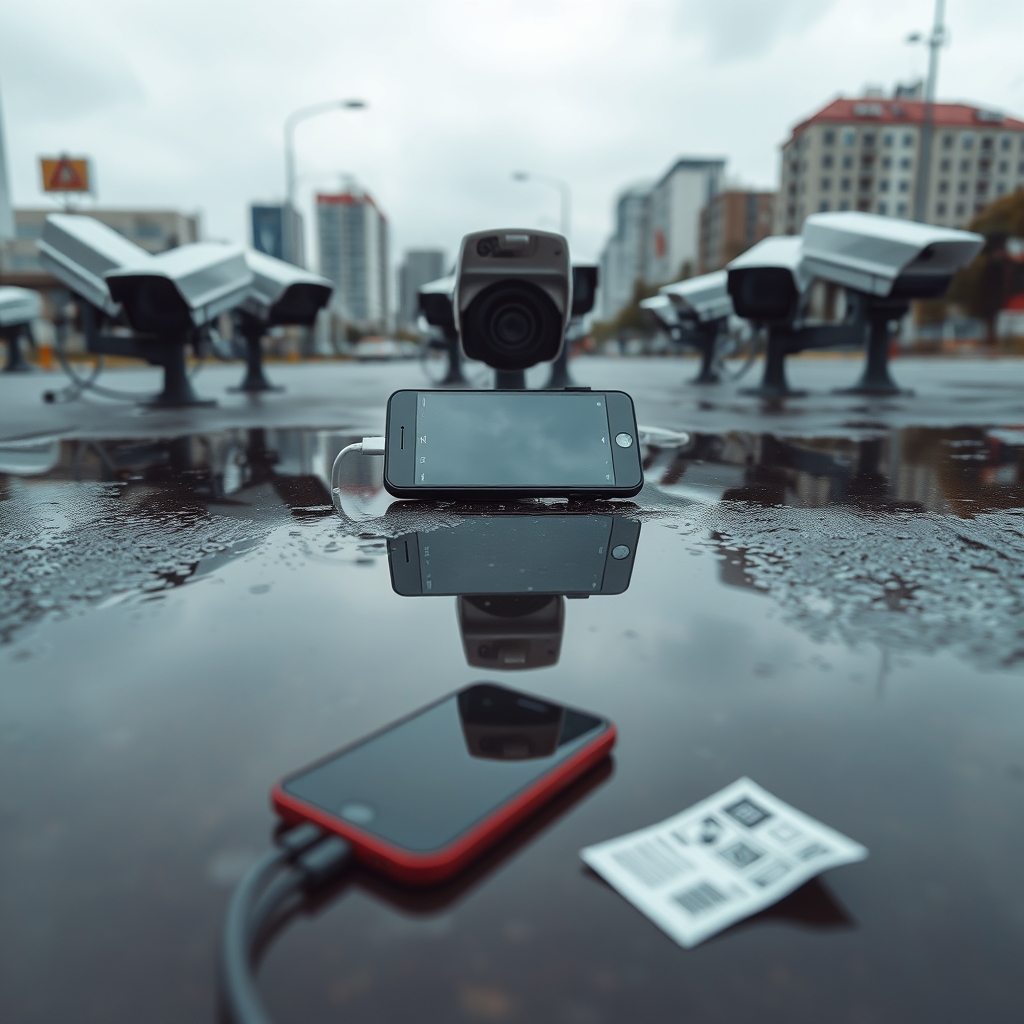
The Supreme Court has made a significant ruling that limits the government's ability to conduct surveillance on citizens, as reported by the American Civil Liberties Union. According to Eden Heilman, legal director of the ACLU of Virginia, the Court's decision confirms that law enforcement does not have a blank check to use new technology to conduct warrantless surveillance of people's movements. This ruling is a major victory for civil liberties and comes on the heels of other recent developments, such as the NSA Loses AI Tool Access, which highlight the ongoing struggle to balance national security with individual privacy rights.
The Court's decision has been welcomed by privacy advocates, who argue that the government's sweeping surveillance scheme is a threat to fundamental rights. As noted by gazettextra.com, the ruling reaffirms that the Carpenter case was not an outlier, but a watershed decision that must guide courts confronting the privacy threats posed by continuously evolving surveillance technologies. The decision also has implications for the use of other surveillance technologies, such as automatic license plate readers, which have been criticized for their potential to create a nationwide mass surveillance system, as discussed in the context of India's Data Bill.
The Supreme Court's ruling is a significant development in the ongoing debate about the use of surveillance technologies, and it highlights the need for greater oversight and regulation of these tools. As reported by theregister.com, the Court's decision makes clear that law enforcement cannot use new technology to conduct warrantless surveillance, and that a warrant is required to vacuum up phone location data. This ruling is likely to have far-reaching implications for the use of surveillance technologies, and it may also inform the development of new technologies, such as those discussed in the context of Biometric Security Rethink.
As I reflect on the recent SCOTUS decision to limit surveillance, I firmly believe that this ruling is a crucial step towards protecting individual privacy rights. My thesis is that unchecked government surveillance poses a significant threat to our democratic freedoms. If nothing changes, the winners will be authoritarian regimes and corporate interests that exploit personal data for their gain, while the average citizen loses. The decision is a welcome check on executive power, but it's only the beginning. We must continue to push for greater transparency and accountability to ensure that our rights are safeguarded in the digital age.
Cross-reference independently — do not take our word for it.
Disclosure: NewsAnarchist uses AI-assisted reporting with web search. Always verify primary sources linked above.