ICE Biometrics Expand Surveillance
A new report argues that ICE biometrics underpin a broader surveillance network, allowing agencies to identify, locate, and track people

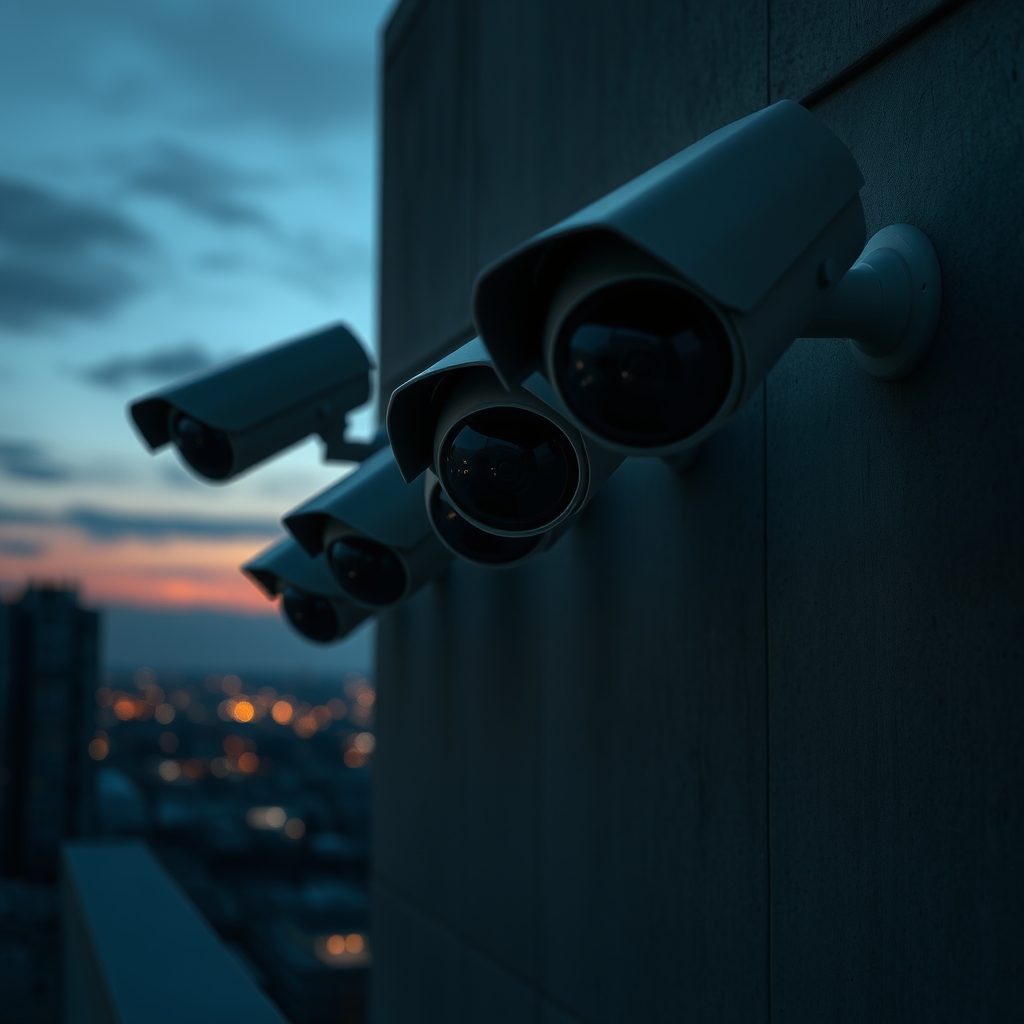
The expansion of ICE biometrics has raised concerns about the growing surveillance network in the United States, as reported by Biometric Update, which notes that the database allows agencies to identify, locate, and track people. This development is particularly noteworthy given the recent contracts awarded to ICE and CBP, with ICE receiving a contract worth up to $9.2 million in September 2025 and CBP receiving a separate $225,000 contract in February 2026. The use of biometrics in surveillance has also been explored in other contexts, such as the development of masked facial recognition technology, which can identify individuals even when their faces are partially obscured.
The increasing use of facial recognition technology has sparked debate about the balance between public safety and individual privacy, with some arguing that it is essential for fighting crime, as seen in the decision by London police to extend the use of live facial recognition and drones. However, others warn that this technology can be used to erode civil liberties, and efforts to counter its effects are underway, such as the development of clothing that can confuse or break facial recognition systems, as discussed on darkreading.com. Meanwhile, the use of biometrics in other areas, such as ancestry research, is also becoming more prevalent, with companies like Ancestry investing in AI-powered facial and handwriting recognition technologies.
As the use of biometrics continues to expand, there are growing calls for greater oversight and regulation, with organizations like the EFF demanding action to protect individual privacy, as outlined in the article EFF Demands Action. The issue of surveillance is also being addressed at the highest levels, with the SCOTUS recently weighing in on the matter, as discussed in SCOTUS Limits Surveillance. Furthermore, the importance of cybersecurity in protecting against surveillance cannot be overstated, and efforts to improve DHS Cybersecurity measures are crucial in this regard.
As I reflect on the expanding use of biometrics by Immigration and Customs Enforcement, I firmly believe that this trend poses a significant threat to individual privacy and freedom. My thesis is that the unchecked growth of ICE biometrics will inevitably lead to a surveillance state where marginalized communities are disproportionately targeted. If nothing changes, the winners will be the government agencies and private companies that profit from the collection and analysis of personal data, while the losers will be the vulnerable individuals and communities who are subjected to increased scrutiny and control. This is unacceptable.
Cross-reference independently — do not take our word for it.
Disclosure: NewsAnarchist uses AI-assisted reporting with web search. Always verify primary sources linked above.
This article is produced by NewsAnarchist's AI reporting system, not a human staff reporter. It's built from the primary source cited above (a FOIA release, an agency's own policy or procurement document, court filings from surveillance litigation, or the wire reporting linked in the body) and reports what that source states, attributed to it — it does not allege intent behind a surveillance program beyond what the record shows. Part of our Surveillance State hub. Found an error? Tell us.