Putin Admits Problems
Russia faces unprecedented disruption in crude oil production due to Ukraine war

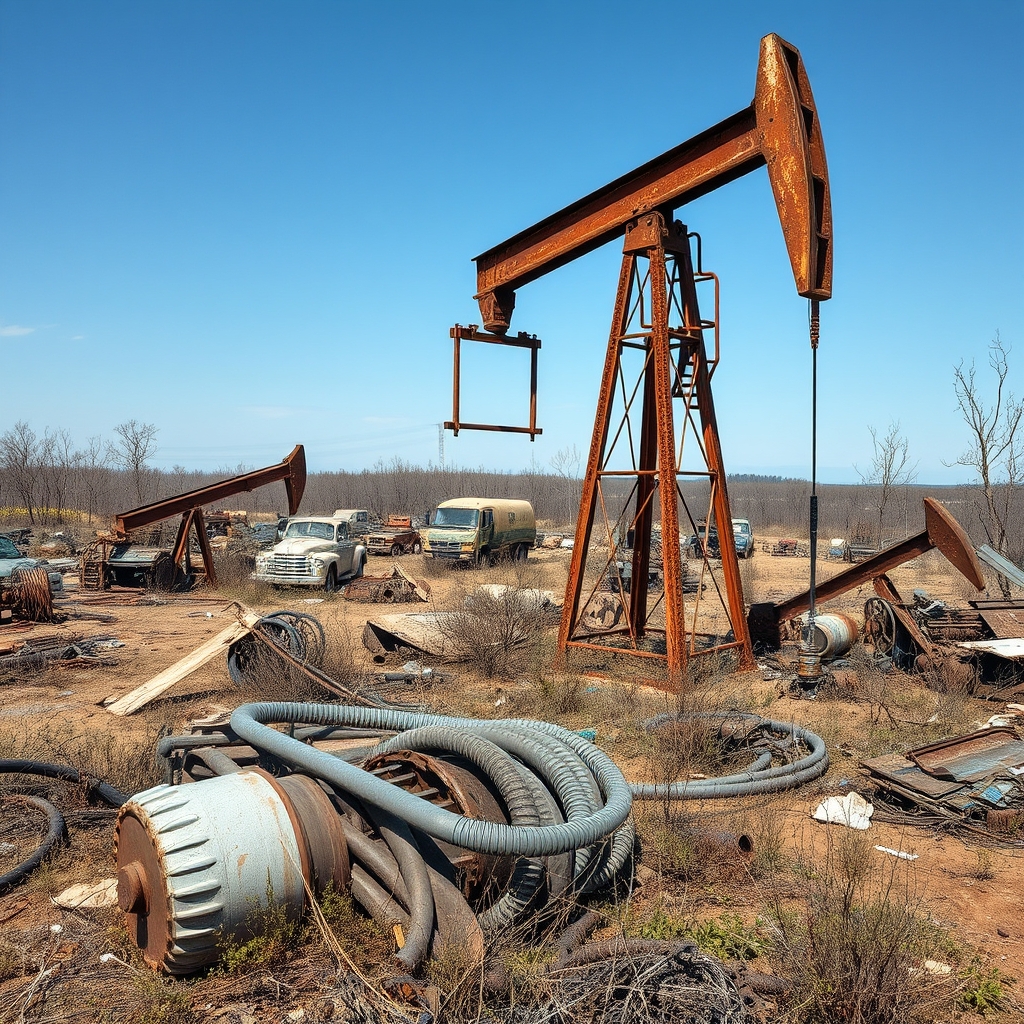
Russian President Vladimir Putin has admitted that Russia is facing significant problems in the ongoing war with Ukraine, with analysts estimating that more than a fifth of the country's total refining capacity may have been knocked offline already. The International Energy Agency reported that Russian crude oil production dropped around 5 per cent year-on-year last month due to the strikes, a level of disruption that is unprecedented in the history of the Russia-Ukraine conflict, as noted by the International Energy Agency in its June report. Putin sought to place the blame for Russia's economic woes on Western sanctions, which have had a devastating impact on the country's economy.
The economic situation in Russia is not unique, as other countries such as Iran are also struggling with the effects of sanctions. The US and Iran are set to meet with mediators in Qatar to discuss a potential comprehensive deal, but the preliminary cease-fire has largely deferred discussion of the toughest topics, including Iran's nuclear program and US sanctions on Tehran. The International Monetary Fund projects Iran's overall inflation will hit nearly 69 percent in 2026, the highest since the Islamic Revolution in 1979, due in part to the crippling US sanctions and government mismanagement, which has led to a sharp slowdown in maritime traffic in the Hormuz Strait.
The impact of sanctions is being felt globally, with companies such as SBL Energy Ltd being sanctioned by the US for allegedly supplying explosives to the Sudanese Armed Forces. The company's CEO, Alok Choudhari, was also sanctioned, with the US alleging that the company's actions intensified the civil war in Sudan. This move is part of a broader trend of increased sanctions and export control, as noted in the UK Regulatory Outlook for June 2026. The UK's Office of Financial Sanctions Implementation has issued a £1m penalty for Russia sanctions breaches, highlighting the increasing scrutiny of companies operating in sanctioned jurisdictions.
The global landscape is shifting, with countries such as China increasingly dominating industries such as shipbuilding, while the US is falling behind China in terms of economic influence. This shift is being felt in regions such as Latin America, where countries such as Peru are shifting to the right politically. As the global economy continues to evolve, the impact of sanctions and export control will be closely watched by companies and governments around the world.
As I reflect on Putin's recent admission of problems, I believe it's a calculated move to maintain control. My thesis is that this acknowledgment is merely a tactical gesture to appease the masses, rather than a genuine attempt at reform. If nothing changes, Putin himself wins, as he gets to retain his grip on power while pretending to address the concerns of his citizens. The Russian people, on the other hand, will continue to suffer under his authoritarian regime, with their freedoms and prosperity remaining stifled. Ultimately, it's a clever ploy to consolidate his power and maintain the status quo.
Cross-reference independently — do not take our word for it.
Disclosure: NewsAnarchist uses AI-assisted reporting with web search. Always verify primary sources linked above.
This article is produced by NewsAnarchist's AI reporting system, not a human staff reporter. It's built from the primary source cited above (a declassified document, a FOIA release, an inspector general or congressional report, or a named whistleblower disclosure reported by outlets we cite) and reports what that source states, attributed to it — it reports what the document or disclosure states and does not speculate about what remains classified beyond that. Part of our Government Secrets hub. Found an error? Tell us.