Iran Uses AI Surveillance
Iran employs AI, facial recognition, and drones to monitor and repress citizens

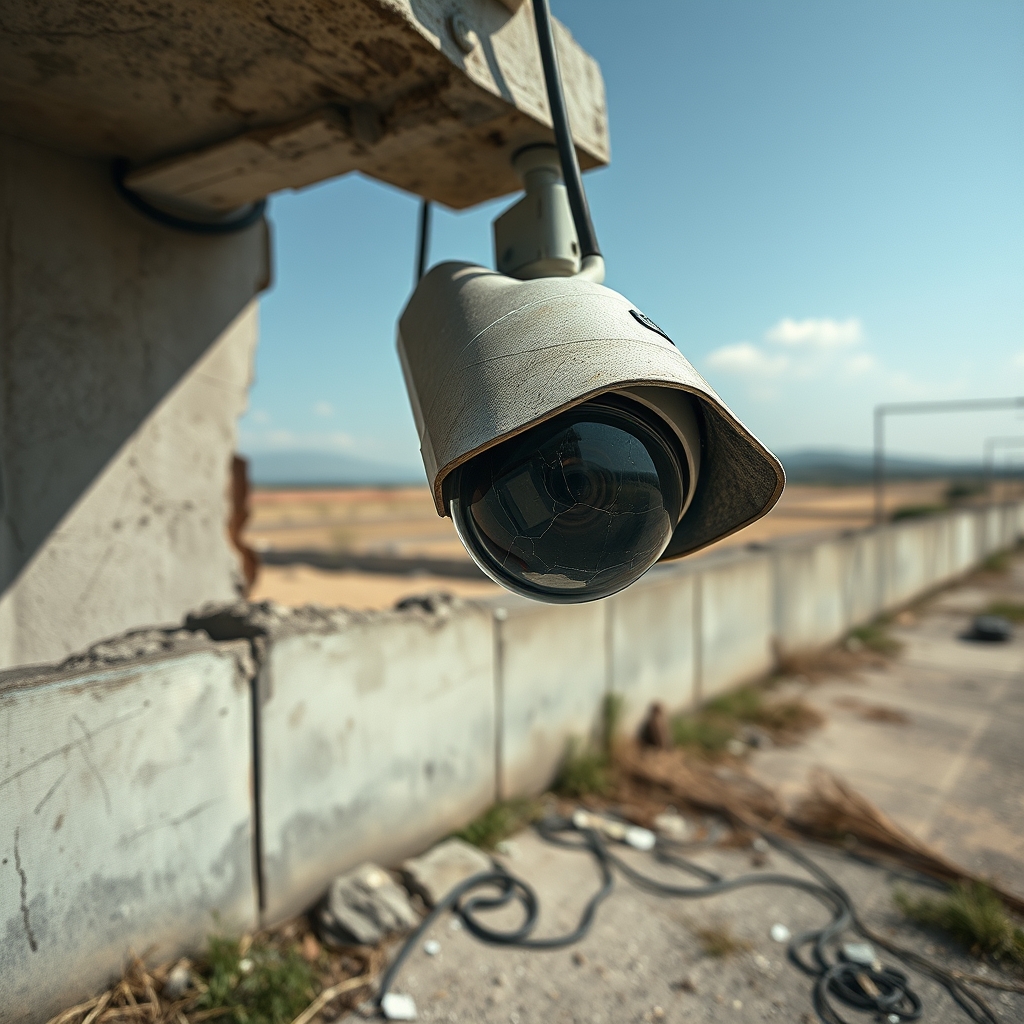
Iran's government has been utilizing artificial intelligence surveillance to identify, monitor, and repress citizens, as evidenced by a recent investigation into the country's digital surveillance practices, which can be found on Iran HRM. This development is particularly noteworthy in light of the US government's own efforts to expand its use of facial recognition technology, as seen in the recent US Issues HSR Report and the ongoing expansion of Facial Recognition Expands in various sectors. The use of AI-driven surveillance is not unique to Iran, however, as it has also been employed in other contexts, such as the World Cup, where it has been used to enhance security measures, and in airports, where TSA Airport Security protocols are being updated to include touchless ID systems.
The Iranian government's use of digital surveillance has been criticized for its potential to infringe upon citizens' rights to privacy and freedom of expression. The country's reliance on AI-powered facial recognition technology has been particularly contentious, with some estimates suggesting that the technology could be used to monitor and track individuals with a high degree of accuracy. This has led to concerns about the potential for abuse, particularly in light of the government's history of suppressing dissent and opposition. Meanwhile, other countries are also exploring the use of facial recognition technology, with companies like Clearview AI submitting bids for federal contracts, such as the Clearview AI FedRAMP bid that could ease federal procurement of facial recognition technology, potentially paving the way for increased use of this technology in the future.
The use of AI surveillance in Iran is part of a broader trend of governments around the world seeking to expand their surveillance capabilities, often under the guise of enhancing national security or combating terrorism. This has led to concerns about the potential for abuse and the erosion of civil liberties, as seen in recent reports of Russia Spies On EU Nukes. As the use of AI surveillance continues to grow and expand, it is likely that these concerns will only continue to mount, highlighting the need for greater transparency and oversight in the development and deployment of these technologies.
As I reflect on the growing trend of Iran using AI surveillance, I firmly believe that this is a disturbing development that threatens the fundamental rights of its citizens. The Iranian government's increasing reliance on artificial intelligence to monitor and control its population is a clear attempt to suppress dissent and maintain its grip on power. If nothing changes, the clear winners will be the authoritarian leaders who will continue to consolidate their power, while the Iranian people will be the losers, stripped of their freedom and autonomy. This is a dangerous path that must be challenged.
Cross-reference independently — do not take our word for it.
Disclosure: NewsAnarchist uses AI-assisted reporting with web search. Always verify primary sources linked above.
This article is produced by NewsAnarchist's AI reporting system, not a human staff reporter. It's built from the primary source cited above (a FOIA release, an agency's own policy or procurement document, court filings from surveillance litigation, or the wire reporting linked in the body) and reports what that source states, attributed to it — it does not allege intent behind a surveillance program beyond what the record shows. Part of our Surveillance State hub. Found an error? Tell us.