Sudan War Escalates
UN warns of possible atrocity crimes in central Sudan as conflict enters new phase
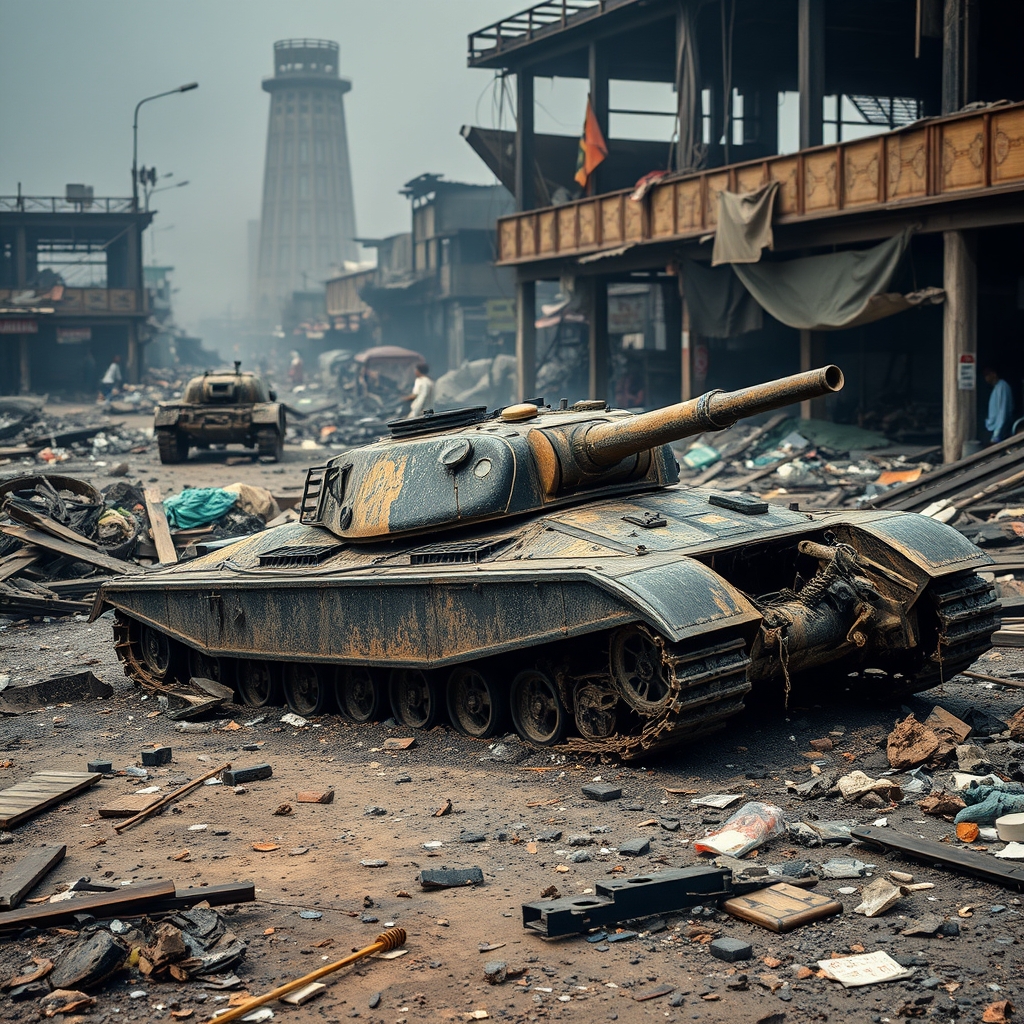
The conflict in Sudan has escalated, with the United Nations human rights chief sounding a “red alert” about possible atrocity crimes in and near the strategic city of el-Obeid in central Sudan, as reported by apnews.com. The battle for el-Obeid has exposed the foreign arms and polarized narratives stalling peace in Sudan’s grinding war, according to aljazeera.com. The situation on the ground is dire, with aid workers describing life in the city as “terrible” due to drone strikes, which have created an “extremely dire” situation, as noted by Will Davies, Sudan director at Avaaz, in an interview with The Guardian.
The conflict has also seen a significant increase in sexual violence, with the UN reporting that it is being used as a “weapon of war” in Sudan, as stated by Farouk Chothia on BBC News). At least 330 children have been killed or injured in the war this year, according to UNICEF, as reported by the Sudan Tribune. The growing military build-up around el-Obeid raises the risk of a wider assault, although neither side has announced plans for a full-scale offensive, as warned by UN officials, who are closely monitoring the situation, similar to the ongoing Sahel Conflict Deepens in neighboring regions.
As the war enters a new phase, the city of el-Obeid has become a crucial battleground, with the Rapid Support Forces (RSF) expanding military pressure around the city, while the Sudanese Armed Forces (SAF) has reinforced its positions inside the city, as explained in an analysis by aljazeera.com. The international community is watching the situation closely, with some drawing comparisons to other global conflicts, such as the recent China Shows Military Might and Taiwan Defends Preparations, which have also raised concerns about the use of military force and the impact on civilians.
As I reflect on the escalating war in Sudan, I firmly believe that immediate international intervention is necessary to prevent further humanitarian crises. The ongoing conflict has already resulted in devastating loss of life and displacement of innocent civilians. If nothing changes, it's clear that the ruthless military regime will emerge victorious, crushing the opposition and perpetuating their brutal grip on power. The international community must take a stand and demand an end to the violence, or else the Sudanese people will continue to suffer at the hands of their oppressors, and the military regime will win.
Cross-reference independently — do not take our word for it.
Disclosure: NewsAnarchist uses AI-assisted reporting with web search. Always verify primary sources linked above.