Sudan War Traps 500k
Half a million people are trapped in the Sudanese city of el-Obeid as the Rapid Support Forces paramilitary group enforces dominance
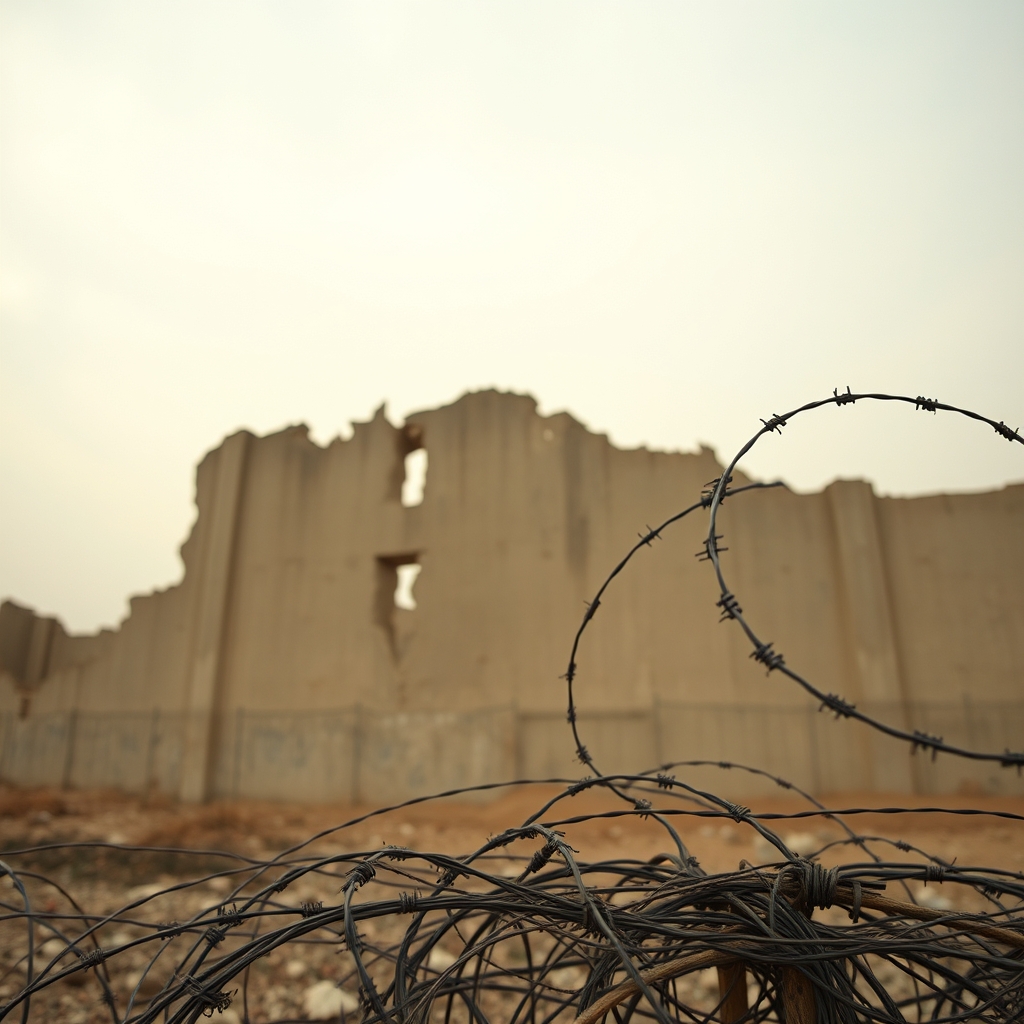
The situation in Sudan continues to deteriorate, with at least 500,000 people trapped in the city of El Obeid, as the Rapid Support Forces (RSF) paramilitary group tries to enforce its dominance over the Kordofan and Darfur regions, a scenario that has drawn comparisons to other global conflicts, such as the Mali War Deepens in West Africa. The United Nations human rights chief has sounded a “red alert” about possible atrocity crimes in and near the strategic city, according to reports on apnews.com. The conflict has already had a devastating impact on civilians, with at least 330 children killed or injured in Sudan this year, according to UNICEF, as reported on sudantribune.com.
The city of El Obeid is under siege, with drone strikes and attacks on fuel stations driving up prices and making transport increasingly expensive, leaving many people unable to flee, a situation that aid workers describe as “extremely dire”, as noted by Will Davies, Sudan director at Avaaz, in an article on Al Jazeera. The conflict in Sudan is part of a broader pattern of escalating violence in the region, with other countries such as China expanding its reach in the Pacific, as seen in the China Expands Pacific Reach and increasing pressure on Taiwan, as reported in the China Ups Taiwan Pressure article. The international community is calling for an end to the violence and for humanitarian aid to be allowed into the affected areas.
The humanitarian situation in El Obeid is becoming increasingly desperate, with reports of food and water shortages, and a lack of medical supplies, as aid workers struggle to reach the city, which is under siege by the RSF, a situation that is being closely monitored by organizations such as the Institute for the Study of War, which provides open-source intelligence on ongoing conflicts. The conflict in Sudan is a complex and multifaceted issue, with deep roots in the country's history and politics, and a resolution will require a comprehensive and sustained effort from the international community, as well as a commitment to protecting civilians and preventing further human rights abuses.
As I reflect on the devastating Sudan War, I firmly believe that immediate action is necessary to prevent further human suffering. The fact that 500,000 people are trapped is a stark reminder of the conflict's severity. If nothing changes, I argue that the true winners will be the warlords and corrupt politicians who continue to exploit and profit from the chaos. They will maintain their grip on power, while innocent civilians bear the brunt of the violence. It is our moral obligation to demand change and support those working towards a peaceful resolution, lest we allow the perpetrators of this tragedy to emerge victorious.
Cross-reference independently — do not take our word for it.
Disclosure: NewsAnarchist uses AI-assisted reporting with web search. Always verify primary sources linked above.