Warrantless Searches Expand
Federal agencies and tech companies continue to push the boundaries of warrantless searches and surveillance

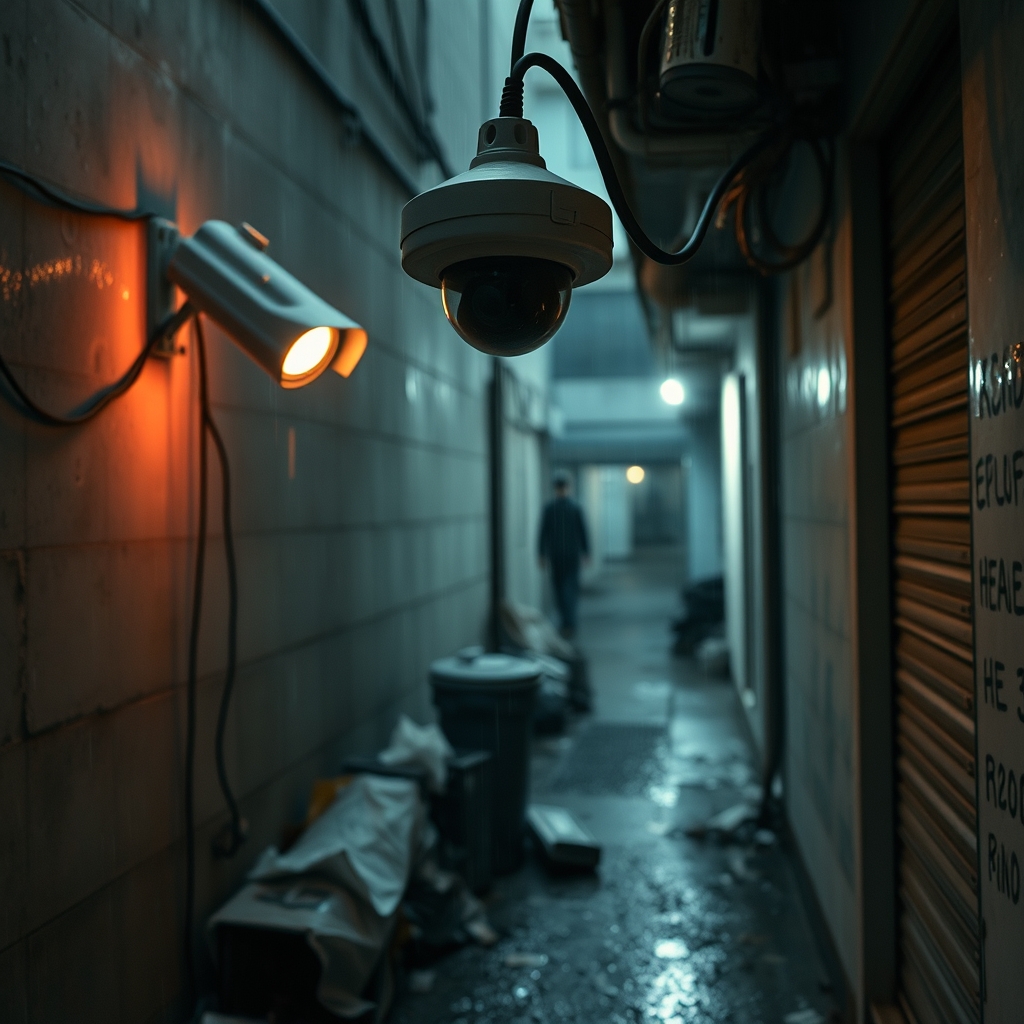
The expansion of warrantless searches has raised concerns among civil liberties advocates, who argue that such practices violate the Fourth Amendment. On January 11, a District Court judge Jeffrey Bryan ruled that the forced entry into a Liberian immigrant's home constituted a warrantless search in violation of the Fourth Amendment, as seen in the case of Operation Metro Surge. This decision highlights the ongoing debate surrounding the use of warrantless searches, particularly in the context of immigration enforcement. The Reforming Intelligence and Securing America Act, passed in 2024, solidified the status quo and even expanded the reach of Section 702, allowing for warrantless backdoor searches, as noted by the Independent Institute.
The issue of warrantless searches is not limited to immigration enforcement, as evident in the case of the ATF's canceled cell phone tracking contract, which was revealed to have conducted 341 warrantless location searches using data, prompting the agency to drop the ATF Drops Tracking Program. Similarly, the use of FLOCK Safety Cameras has sparked controversy in North Texas, with critics arguing that the network enables warrantless tracking of innocent drivers, raising civil liberties questions. The matter is set to be taken up by the Supreme Court, as reported in Flock Cameras Face SCOTUS. The ongoing debate surrounding warrantless searches has also led to concerns about the indiscriminate scanning of private messages by companies such as Google, Meta, Microsoft, and Snap, which continues despite the potential passage of the EU Chat Control regulation.
The practice of warrantless searches has been widely criticized, with many arguing that it undermines the principles of privacy and due process. The case of an Air Force engineer accused of cutting down 13 police cameras, who claims that the cameras amount to a warrantless tracking network, has brought attention to the issue. As reported in Warrantless Scans Continue, the use of such cameras and other surveillance technologies has raised concerns about the erosion of civil liberties. The ATF's decision to drop its warrantless tracking program, as reported on gunsamerica.com, is seen as a step in the right direction, but more needs to be done to address the issue of warrantless searches and ensure that the rights of individuals are protected.
As I reflect on the recent expansion of warrantless searches, I firmly believe that this trend is a threat to our fundamental right to privacy. My thesis is that unchecked warrantless searches will erode the trust between law enforcement and the public, ultimately undermining our democracy. If nothing changes, the government and law enforcement agencies will be the winners, gaining unprecedented power to intrude on citizens' lives without accountability. This is unacceptable and it's imperative that we take a stand to protect our constitutional rights and demand that searches be conducted with the proper oversight and warrants.
Cross-reference independently — do not take our word for it.
Disclosure: NewsAnarchist uses AI-assisted reporting with web search. Always verify primary sources linked above.
This article is produced by NewsAnarchist's AI reporting system, not a human staff reporter. It's built from the primary source cited above (a FOIA release, an agency's own policy or procurement document, court filings from surveillance litigation, or the wire reporting linked in the body) and reports what that source states, attributed to it — it does not allege intent behind a surveillance program beyond what the record shows. Part of our Surveillance State hub. Found an error? Tell us.