Quantum Threats Loom
Governments and businesses face a growing threat from quantum computers that can decrypt stored encrypted data

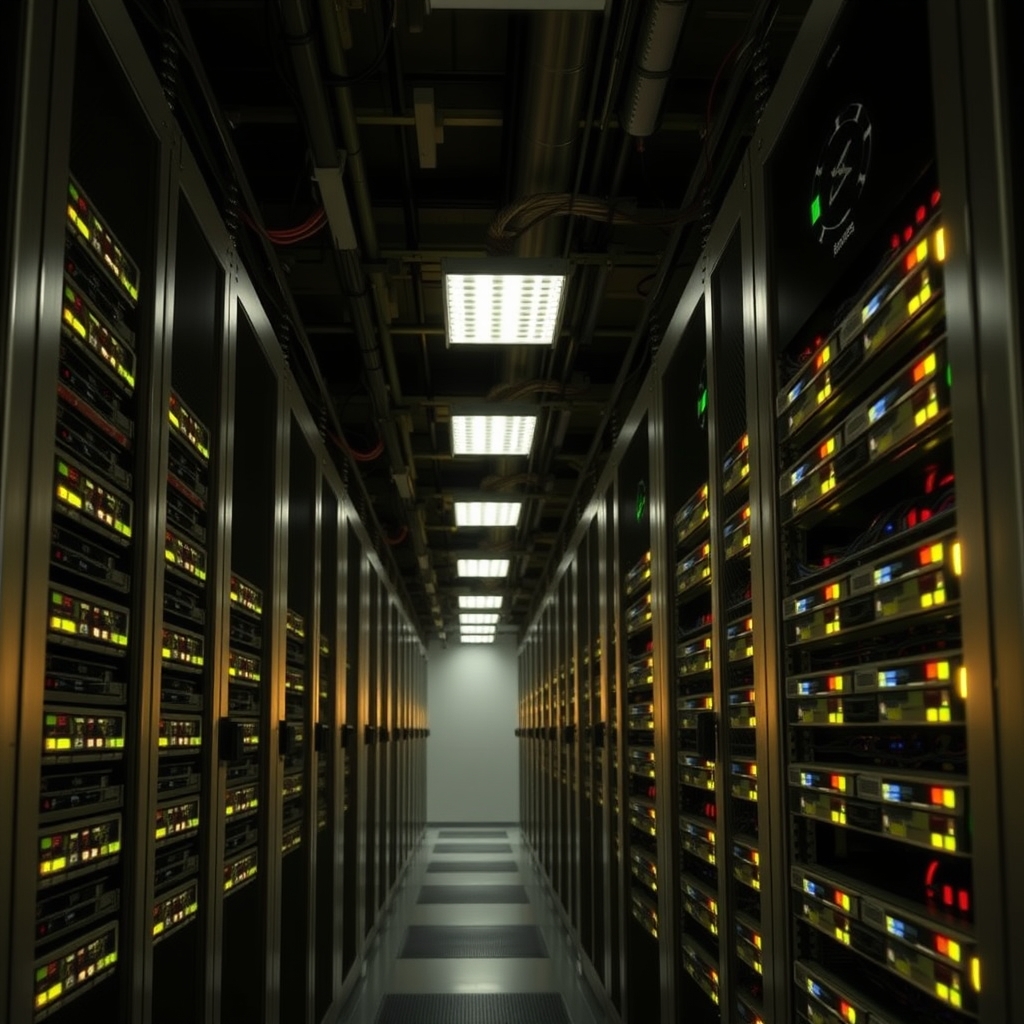
The looming threat of quantum computing to digital security has significant implications for the protection of personal information, as outlined in the Privacy Program established by the E-Government Act of 2002. This program requires federal government agencies to conduct Privacy Impact Assessments for all new information technology involving the collection or maintenance of identifiable information. As of 2026, 144 countries have enacted national data privacy laws, and 20 U.S. states have implemented their own regulations, according to Data Privacy Laws by Country and U.S. State. The danger posed by quantum computing is a strategy known as "harvest now, decrypt later," where adversaries intercept and store encrypted data with the intention of decrypting it later using a sufficiently powerful quantum computer, as discussed in the article on Securing the Digital Age.
The threat is particularly significant for information that needs to remain confidential for a decade or more, such as classified government communications, financial records, and health data. The Digital Personal Data Protection Bill, 2023 recognizes the importance of protecting personal data and the potential harm that can result from unchecked processing, including financial loss, loss of reputation, and profiling. In recent years, there have been numerous instances of companies exploiting personal data for targeted advertising, such as the case of Meta Exploits Instagram Photos, highlighting the need for stronger regulations. Furthermore, the expiration of FISA 702 and the continuation of Warrantless Surveillance have raised concerns about the balance between national security and individual privacy.
The quantum threat has significant financial implications, with estimates suggesting that the cost of quantum-proofing existing encryption systems could run into billions of dollars. In addition, the potential consequences of a quantum computer being used to decrypt sensitive information could be catastrophic, with the potential for widespread financial loss and damage to national security. As governments and businesses navigate the complex landscape of data privacy and security, they must also consider the potential risks and consequences of quantum computing, and take steps to mitigate them, such as investing in quantum-resistant encryption technologies and implementing robust data protection policies, as outlined in the Privacy Program and discussed in the article on Securing the Digital Age.
As I reflect on the current state of cybersecurity, I firmly believe that quantum threats loom large on the horizon. My thesis is that the advent of quantum computing poses an existential risk to our digital infrastructure. If nothing changes, the winners will be malicious actors and nation-state hackers, who will exploit the power of quantum computers to break through even the most robust encryption methods. They will be able to access sensitive information, disrupt critical systems, and wreak havoc on our global economy. It is imperative that we take immediate action to develop quantum-resistant technologies and strategies to mitigate this looming threat.
Cross-reference independently — do not take our word for it.
Disclosure: NewsAnarchist uses AI-assisted reporting with web search. Always verify primary sources linked above.
This article is produced by NewsAnarchist's AI reporting system, not a human staff reporter. It's built from the primary source cited above (a declassified document, a FOIA release, an inspector general or congressional report, or a named whistleblower disclosure reported by outlets we cite) and reports what that source states, attributed to it — it reports what the document or disclosure states and does not speculate about what remains classified beyond that. Part of our Government Secrets hub. Found an error? Tell us.