China Raises Pressure
China's military deployments along the First Island Chain have intensified, raising regional security concerns

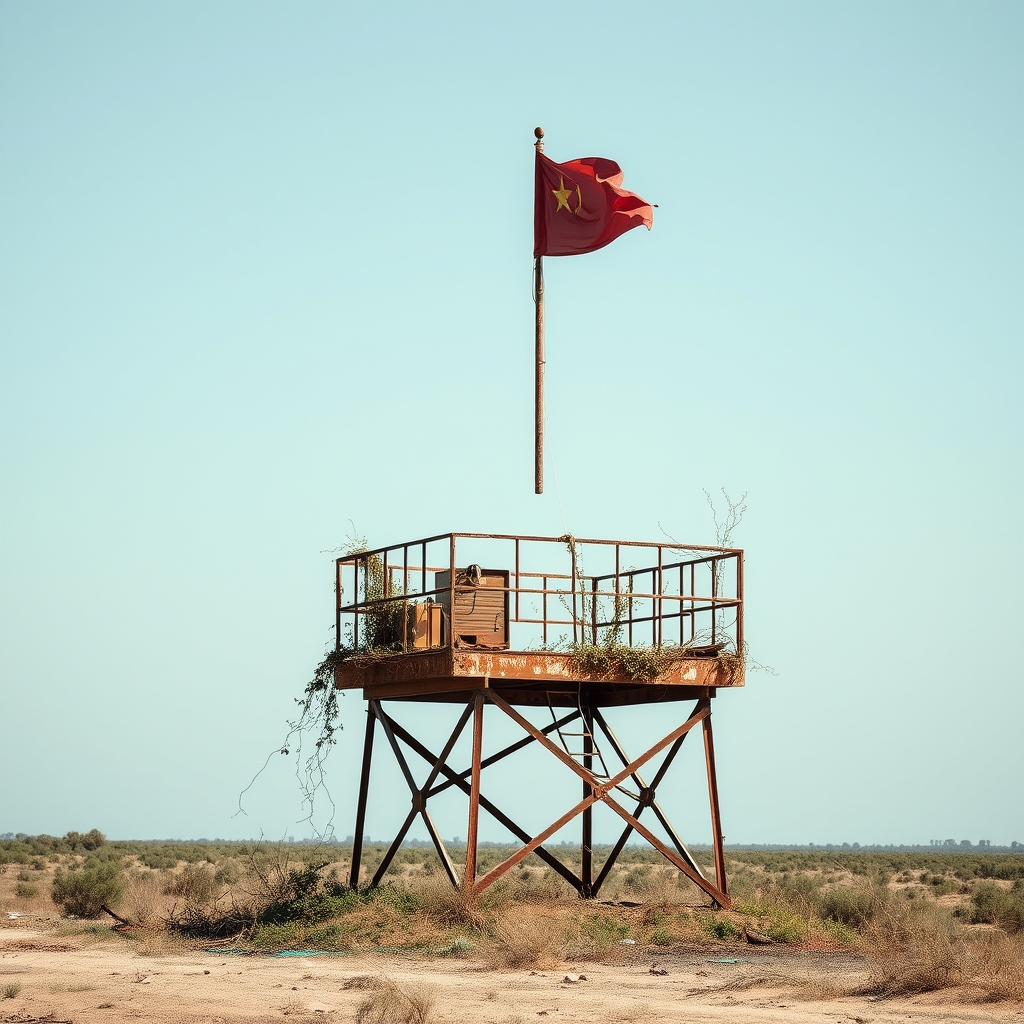
China's military pressure on Taiwan has intensified in recent weeks, with the country's leader, Xi Jinping, exerting absolute control over the military, as reported by Taiwan news. This increased pressure has raised concerns about the strategic importance of the Taiwan Strait, a major maritime chokepoint and semiconductor hub, as noted in an editorial by the Taipei Times. The situation is reminiscent of other conflict zones, such as Myanmar, where the war toll mounts, and Sudan, where the war escalates, highlighting the need for international attention to these emerging crises.
The Taiwan Strait's significance extends beyond its geopolitical importance, as it is also a critical trade route, with CSIS estimating that Chinese military action in the area could disrupt NT$76.9 trillion in trade flows, as reported by Taiwan News. This has significant implications for regional security, particularly in light of China's advances in Pacific military goals, which aim to challenge the existing balance of power in the region. The US has responded to these developments by arming its B-2 stealth bomber with up to 16 Long-Range Anti-Ship Missiles, a capability aimed squarely at the Taiwan Strait, as noted in a report by 19FortyFive.
China's pressure tactics in the Taiwan Strait have been gradually increasing, with Ocean Affairs Council Minister Kuan Bi-ling warning that these actions risk creating an entirely new "status quo" in the region, which the international community might not realize until it is too late, as reported by the Taipei Times. This has significant implications for the region, particularly in light of China's recent Pacific missile test, which sent a message to US allies about its military capabilities. As the situation continues to unfold, it remains to be seen how the international community will respond to China's increasing pressure on Taiwan, and whether this will lead to a wider conflict in the region, similar to those seen in Myanmar and Sudan.
As I reflect on the current situation, I firmly believe that China's increasing pressure on the global stage is a cause for concern. My thesis is that if China continues to assert its dominance without being met with resistance, it will ultimately lead to a shift in the global balance of power. If nothing changes, China wins, solidifying its position as a superpower and potentially threatening the interests of other nations. The United States and its allies must take a strong stance against China's aggressive tactics to prevent this from happening and maintain a level of stability in the world.
Cross-reference independently — do not take our word for it.
Disclosure: NewsAnarchist uses AI-assisted reporting with web search. Always verify primary sources linked above.
This article is produced by NewsAnarchist's AI reporting system, not a human staff reporter. It's built from the primary source cited above (an official government or diplomatic statement, wire-service reporting (Reuters, AP, AFP) we cite by name, or a named think-tank/NGO report) and reports what that source states, attributed to it — it reports what that source states and does not predict how a conflict or negotiation resolves. Part of our Global Power hub. Found an error? Tell us.