Meta AI Glasses To Use Facial Recognition
Meta's CTO confirms that facial recognition technology will be integrated into the company's AI glasses

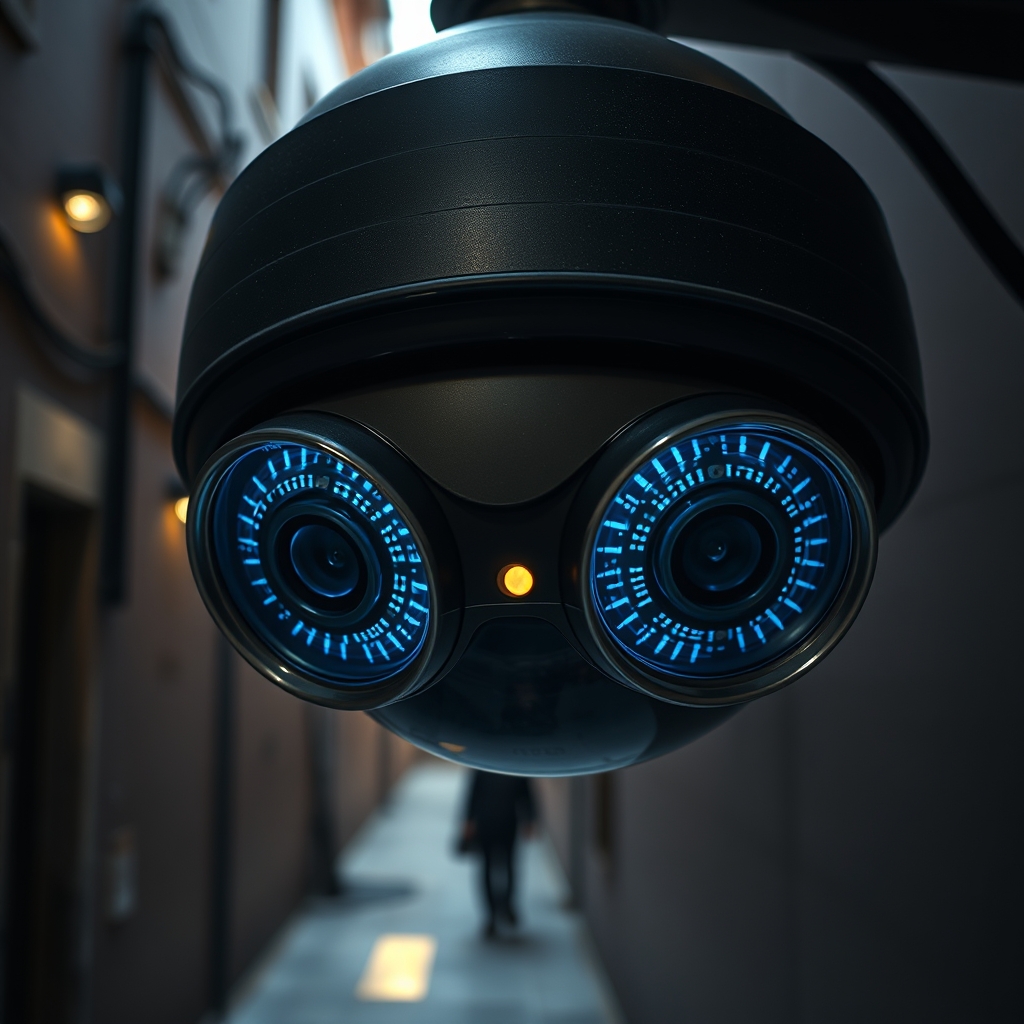
Recent developments in the tech industry have sparked concerns over privacy and surveillance, particularly with the announcement that Meta AI glasses will utilize facial recognition technology, as confirmed by Meta's CTO in a statement reported by Social Media Today. This move is likely to raise eyebrows among civil liberties advocates, who have long been wary of the potential for abuse of such technology. The use of facial recognition in Meta's AI glasses is expected to be a key feature, although the company has not yet disclosed exactly how it will be implemented, prompting some to speculate that the company may be attempting to sneak this update past regulators, as noted by Andrew Hutchinson on February 16, 2026.
The market for facial authentication systems is growing rapidly, with vendors investing heavily in improving recognition performance under challenging conditions, such as diverse facial expressions and mask detection capabilities, as outlined in a report on facial authentication systems market trends. This expansion is expected to create new opportunities for solution providers worldwide, particularly in industries such as digital government initiatives, e-governance platforms, and financial inclusion programs. However, this growth also raises concerns over the potential for mass surveillance and the erosion of privacy rights, particularly in light of recent developments such as the expiration of FISA 702, which has left many wondering about the future of government surveillance.
As the use of facial recognition technology becomes more widespread, concerns over privacy and security are likely to intensify, particularly in light of allegations such as China alleges AI backdoors, which have highlighted the potential risks associated with the use of AI technology. In response to these concerns, some governments are taking steps to enhance privacy protections, such as the US Gov enhances privacy initiatives, although the effectiveness of these measures remains to be seen. With the global facial authentication systems market expected to reach billions of dollars in the coming years, the need for robust privacy protections and regulations has never been more pressing.
As I consider the implications of Meta AI glasses using facial recognition, I firmly believe that our right to privacy is at stake. My thesis is that the widespread adoption of these glasses will erode our personal freedoms and create a surveillance state. If nothing changes, the clear winners will be corporations like Meta, who will have unparalleled access to our personal data and behaviors. They will be able to collect, analyze, and profit from our every move, without our consent or control. This is a disturbing prospect that demands urgent attention and regulation to protect our privacy and autonomy.
Cross-reference independently — do not take our word for it.
Disclosure: NewsAnarchist uses AI-assisted reporting with web search. Always verify primary sources linked above.
This article is produced by NewsAnarchist's AI reporting system, not a human staff reporter. It's built from the primary source cited above (a FOIA release, an agency's own policy or procurement document, court filings from surveillance litigation, or the wire reporting linked in the body) and reports what that source states, attributed to it — it does not allege intent behind a surveillance program beyond what the record shows. Part of our Surveillance State hub. Found an error? Tell us.