UK Shops Deploy Facial Recognition
Civil liberties groups raise concerns over the launch of facial recognition technology in UK shops that instantly alerts police

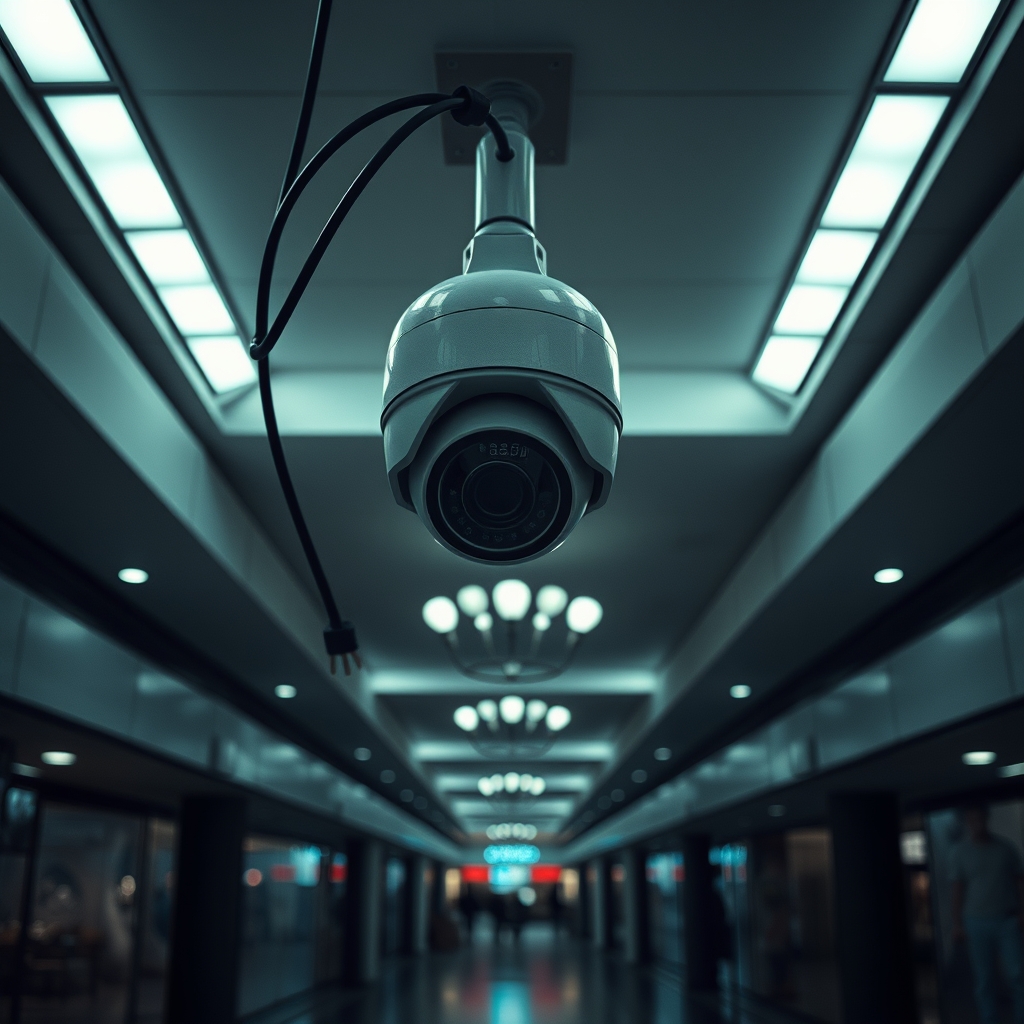
The deployment of facial recognition technology in UK shops has raised concerns among civil liberties groups, as it instantly alerts police to potential suspects, a development that has been reported by The Guardian as part of a growing trend towards increased surveillance. This technology is being used in conjunction with other forms of identification, such as credit card verification, as seen in the case of online platforms that use facial analysis to determine the age of users. The use of facial recognition in UK shops is particularly concerning, given that government plans for a legal framework for this technology would not apply to the private sector, leaving many to wonder if surveillance will continue unchecked, even after FISA 702 expires.
The use of facial recognition technology is not limited to UK shops, as it has been used by law enforcement agencies in the United States, such as in the case of a Queens man who was arrested for firebombing a smoke shop and was identified using facial recognition software. This technology is also being developed for use in other contexts, such as in Meta's AI glasses, which will likely include facial recognition capabilities. The growing use of facial recognition technology has significant implications for civil liberties, and many are calling for greater oversight and regulation of this technology, particularly in light of the fact that ICE uses facial recognition to identify and track individuals.
As the use of facial recognition technology continues to expand, it is likely that we will see increased investment in this area, with vendors focusing on improving recognition performance under challenging conditions, such as diverse facial expressions and mask detection capabilities. This is part of a broader trend towards the development of intelligent identity security solutions, which are being driven by growing investments in digital government initiatives and financial inclusion programs. However, the use of facial recognition technology also raises significant concerns about privacy and surveillance, and it is likely that we will see ongoing debates about the appropriate use of this technology in the years to come.
As I consider the UK shops deploying facial recognition, I firmly believe this is a step too far in invading consumer privacy. My thesis is that the use of facial recognition in retail spaces is a gross overreach of surveillance capabilities and will ultimately erode trust between businesses and their customers. If nothing changes, it's clear that corporations and the government will be the winners, gaining unprecedented access to our personal data and habits, while the average citizen loses control over their own identity and autonomy. This is a slippery slope that we must be cautious not to slide down.
Cross-reference independently — do not take our word for it.
Disclosure: NewsAnarchist uses AI-assisted reporting with web search. Always verify primary sources linked above.