US-Iran Conflict Escalates
The US has launched new airstrikes on Iran and reimposed sanctions on Iranian oil, escalating the conflict between the two nations

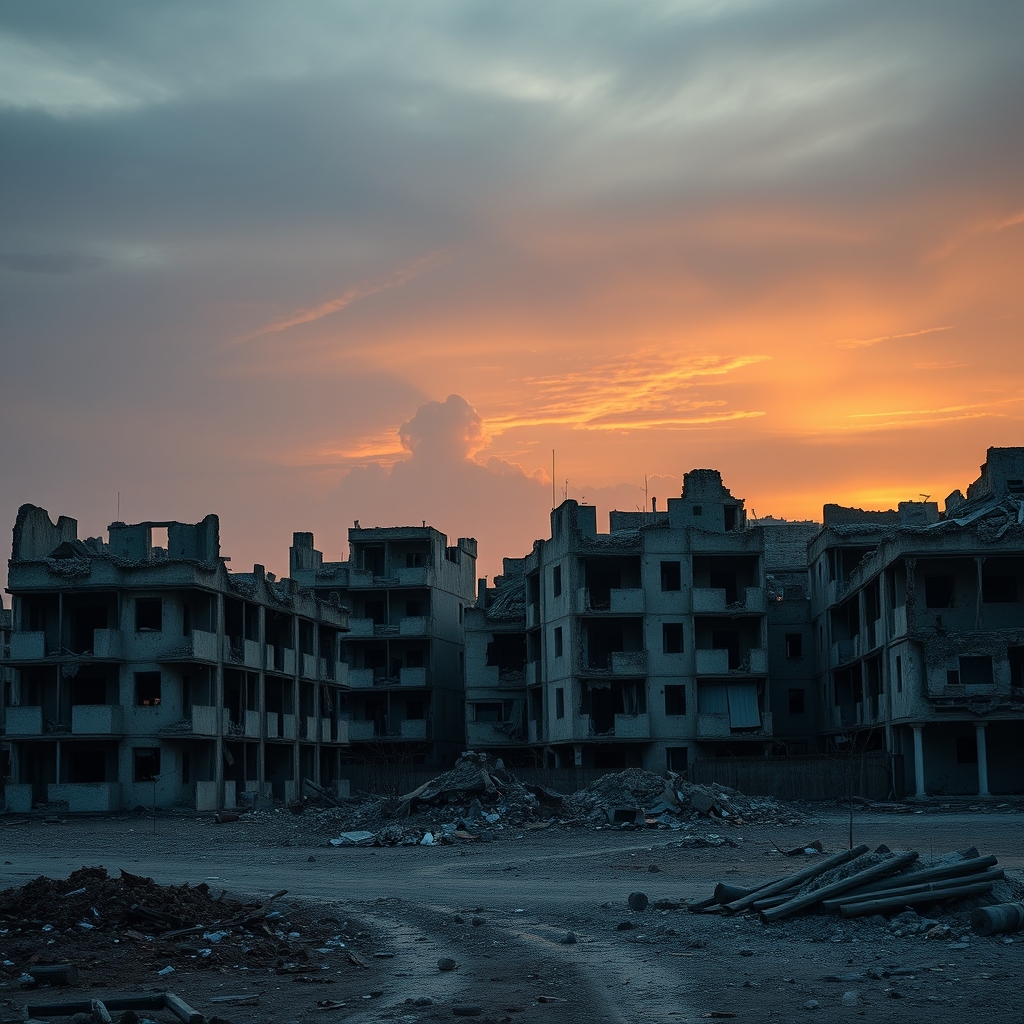
The US-Iran conflict has escalated significantly, with the US launching new airstrikes on Iran and Tehran firing back at Gulf Arab states, as reported by latest developments on the Iran war. The latest strikes come after the US reimposed sanctions on Iranian oil, which had been lifted for 60 days as part of a ceasefire agreement. This move has been seen as a major setback for diplomatic efforts, with Iran's deputy foreign minister for legal and international affairs, Kazem Gharibabadi, stating that the decision breached a provision tied to sanctions relief and oil exports, as noted in US strikes on Iran and blocks its oil sales.
The conflict has also drawn in other global players, with China expanding its anti-sanctions toolkit, raising risks for foreign firms, as outlined in China's anti-sanctions measures. This development has significant implications for multinational companies operating in the region, and highlights the complex web of geopolitical tensions at play. The situation is further complicated by the fact that the US is not alone in its efforts to exert pressure on Iran, with other countries, such as those in the Gulf Arab states, also playing a key role in the conflict.
As the conflict continues to escalate, there are concerns about the potential for a lasting peace deal, with hard-liners in Iran pushing for control over the strategically important waterway, and pragmatists seeking a permanent peace deal to lift international sanctions and provide economic relief. The situation is reminiscent of other global hotspots, such as Brasil: Alvo de Disputa Global, where competing interests and geopolitical tensions are driving conflict and instability. The war is also having a significant impact on the global energy landscape, with War Speeds Energy Shift as countries seek to reduce their reliance on fossil fuels and transition to more sustainable energy sources.
The US has also warned of China's maritime coercion, as outlined in US Warns Of China's Maritime Coercion, highlighting the complex and interconnected nature of global geopolitical tensions. As the situation continues to unfold, it is clear that the US-Iran conflict is just one part of a broader landscape of global competition and tension, with significant implications for international relations, global trade, and energy security.
As I reflect on the escalating US-Iran conflict, I firmly believe that a diplomatic approach is the only viable solution. The current trajectory of escalating tensions and retaliatory measures will only lead to devastating consequences for both nations. If nothing changes, I fear that the true winners will be extremist groups and defense contractors who profit from war. They will reap the benefits of a prolonged and bloody conflict, while innocent civilians on both sides suffer the most. It is imperative that we prioritize dialogue and diplomacy to prevent further escalation and find a peaceful resolution.
Cross-reference independently — do not take our word for it.
Disclosure: NewsAnarchist uses AI-assisted reporting with web search. Always verify primary sources linked above.