War Accelerates Energy Shift
The Iran war is speeding up the global transition to clean energy, as countries move away from oil and toward solar, batteries, and electric vehicles

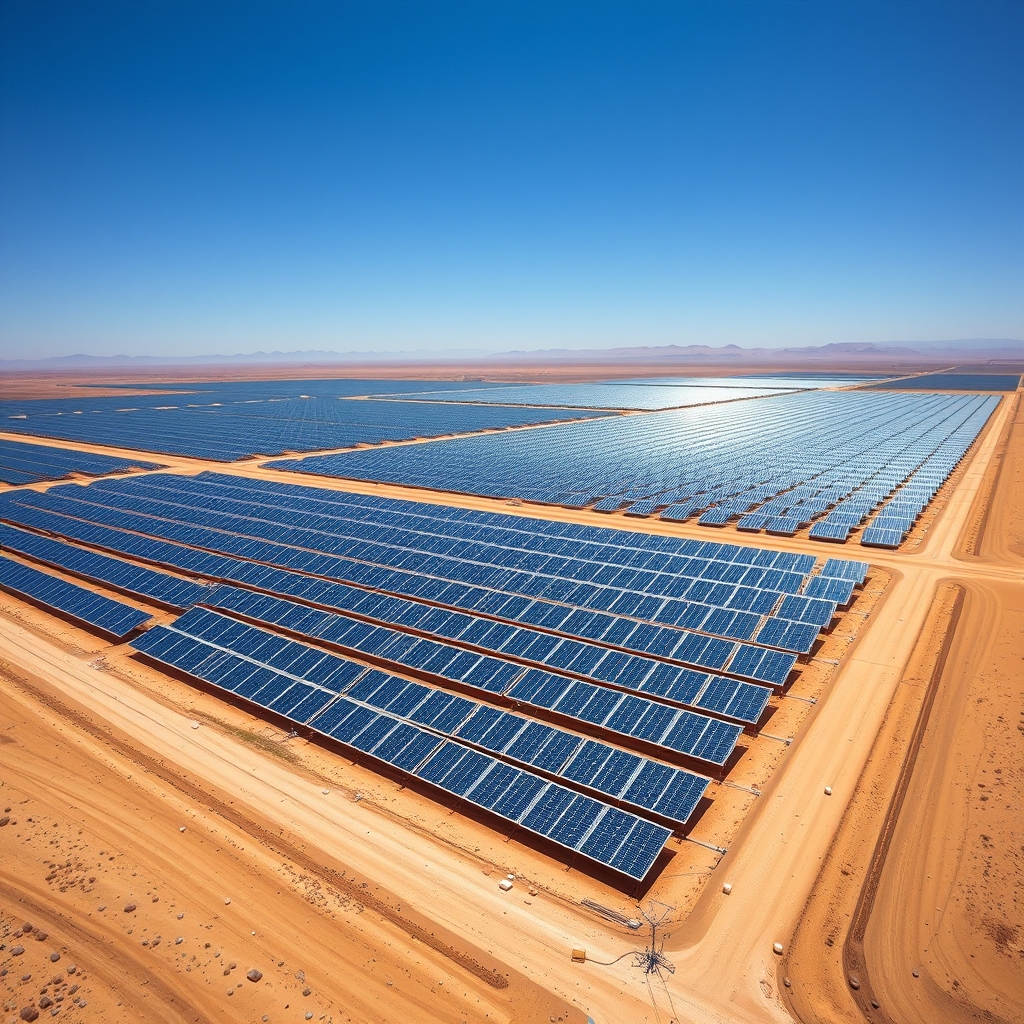
The ongoing conflict in the Middle East, particularly the Iran war, has accelerated the global shift towards clean energy, as countries seek to reduce their dependence on fossil fuels. According to a report by NPR, the war has pushed some countries to move away from oil faster, underscoring the precarity of relying on fossil fuels. This trend is expected to continue, with the global transition to electric vehicles, solar, and batteries gaining momentum.
The concept of a potential superpower is being reevaluated in the context of the current geopolitical landscape, with China's rising influence and the US's enduring dominance being closely watched. The US has warned of China's growing sea power, as discussed in the article US Warns Of China's Sea Power, highlighting the complexities of the global power dynamics. Meanwhile, the North Atlantic Treaty Organization (NATO) is facing internal challenges, as examined in NATO Unity Tested, which could impact the global balance of power.
The energy sector is experiencing significant fluctuations, with global oil prices falling on Monday after US-Iran talks concluded in Switzerland, as reported by reuters.com. China's refined oil exports rose in May, despite restrictions, while Australia received the agreed-upon volume of oil exports. The shift towards clean energy is also being driven by economic considerations, with the US facing a budget battle, as outlined in US Faces Budget Battle, which could impact the country's ability to invest in renewable energy sources. As the global energy landscape continues to evolve, one thing is clear: the war has accelerated the transition to clean energy, and countries are now more committed than ever to reducing their dependence on fossil fuels.
As I reflect on the current state of global conflict, it's clear to me that war accelerates the energy shift. My thesis is that the ongoing wars will inevitably drive nations towards renewable energy sources, away from fossil fuels. If nothing changes, oil-rich countries and corporations will continue to win, reaping the benefits of a world reliant on their product. However, I firmly believe that this trajectory is not only unsustainable but also morally reprehensible, and it's imperative that we prioritize a rapid transition to clean energy to mitigate the devastating impacts of war and climate change.
Cross-reference independently — do not take our word for it.
Disclosure: NewsAnarchist uses AI-assisted reporting with web search. Always verify primary sources linked above.