Revolt Against Surveillance
Flock cameras and government-tech partnerships spark calls for a modern American revolt for liberty

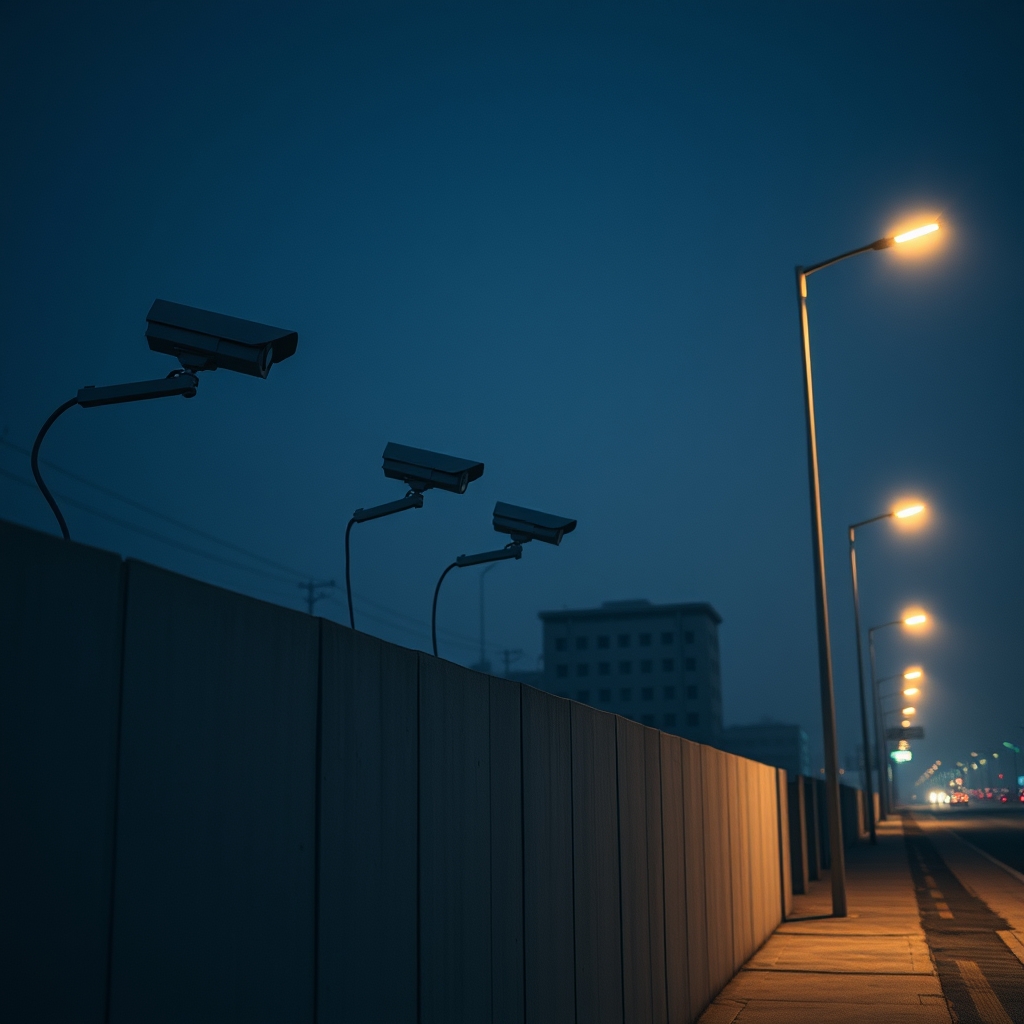
The increasing presence of Flock Cameras in communities has sparked a growing concern among citizens, who view these devices as a symbol of government overreach and an erosion of civil liberties, much like the tea tax and East India Company monopoly that prompted the Boston Tea Party in 1773. As the number of these cameras continues to rise, with some estimates suggesting that over 10,000 devices have been installed across the United States, the public is becoming increasingly wary of the potential for warrantless surveillance and the impact this could have on their daily lives.
The Electronic Frontier Foundation, a leading advocate for digital rights, has been at the forefront of the fight against unwarranted government surveillance, working to defend people against unlawful government data collection and challenge the use of license plate and face surveillance in communities. With a budget of over $10 million, the organization is well-equipped to take on the government and big tech corporations, which have been accused of prioritizing profits over people's privacy. The issue of data protection is not limited to the United States, as countries like India are also grappling with the challenges of balancing national security with individual privacy, with the government setting a deadline for companies to comply with new data protection regulations, as reported in the article India's Data Deadline Looms.
The revolt against surveillance is gaining momentum, with citizens from all walks of life coming together to demand greater transparency and accountability from their governments and the companies that provide them with surveillance technology. In Japan, for example, there are concerns about the impact of new data protection laws on individuals, as discussed in the article 個人情報保護法改正の影響. As the movement continues to grow, it is likely that we will see increased scrutiny of the government's surveillance activities and a greater emphasis on protecting civil liberties, with organizations like the Electronic Frontier Foundation playing a key role in shaping the debate and advocating for the rights of citizens. With the issue of surveillance showing no signs of abating, it is clear that this will be an ongoing battle, with the public demanding greater protections for their privacy and the government and big tech corporations facing increasing pressure to reform their practices.
As I reflect on the state of our society, I firmly believe that a revolt against surveillance is long overdue. The constant monitoring of our online activities, phone calls, and even physical movements is a gross invasion of our privacy. If we don't take a stand, the winners will be corporate giants and government agencies who seek to exploit our personal data for their own gain. They will continue to reap the benefits of our compromised freedom, while we are left with a mere illusion of autonomy. It's time for us to reclaim our right to privacy and fight back against this pervasive surveillance state.
Cross-reference independently — do not take our word for it.
Disclosure: NewsAnarchist uses AI-assisted reporting with web search. Always verify primary sources linked above.
This article is produced by NewsAnarchist's AI reporting system, not a human staff reporter. It's built from the primary source cited above (a FOIA release, an agency's own policy or procurement document, court filings from surveillance litigation, or the wire reporting linked in the body) and reports what that source states, attributed to it — it does not allege intent behind a surveillance program beyond what the record shows. Part of our Surveillance State hub. Found an error? Tell us.